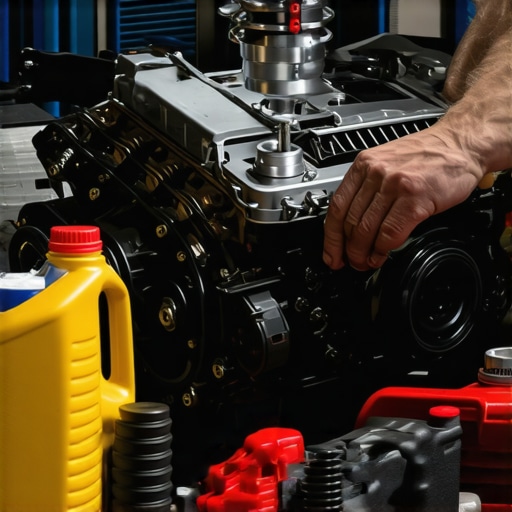
Walking out to my driveway one morning, I was hit with a sinking feeling. My car was making strange noises, and despite following the traditional advice of changing the oil every 5,000 miles, I realized something was off. It was a lightbulb moment for me—could those long intervals be doing more harm than good? Since then, I’ve learned that adhering strictly to the standard oil change schedules might be actually *ruining* my engine, especially with vehicles as advanced as our 2026 models.
Uncovering the Hidden Risks of Extended Oil Change Intervals
For years, the mantra of changing your oil every 5,000 miles has been drilled into car owners, backed by both manufacturers and industry experts. But recent research and real-world experiences suggest that this advice isn’t one-size-fits-all—particularly for newer engines designed with tighter tolerances and more sophisticated components. I used to trust that sticking to the schedule was enough to keep my engine running smoothly. That was a mistake I learned the hard way, and so did many others who ignored the signs of oil deterioration because they believed longer intervals saved money.
Experts warn that neglecting timely oil changes can lead to increased engine wear, poor fuel efficiency, and even catastrophic failure down the line. And with the rise of synthetic oils that last longer, some think they can stretch those intervals indefinitely—yet that’s not always the case. It’s easy to assume our cars are invincible, especially if they’re still running fine after 7,000 miles. But this is precisely the kind of misconception that can cause severe damage in the long run.
Are you still sticking to that 5,000-mile oil change schedule because it’s what you’ve always known? Or have you faced surprising engine issues despite following the conventional wisdom? Understanding the real impact of oil change frequency, especially for 2026 models, is crucial. We’ll dive into how to tell when your engine really needs a change and the mistakes that many smart car owners make. If you’re ready to prevent costly repairs and keep your vehicle performing at its best, stay tuned.
Next, let’s address one of the biggest doubts in car maintenance today: ‘Is less frequent oil changing actually worth the hype?’
Get Familiar with Your Vehicle’s Specific Needs
Start by consulting your vehicle’s owner manual or a trusted ASE-certified technician about recommended oil types and change intervals tailored for your 2026 model. Remember, synthetic oils last longer but still require regular checks. I once overlooked this step, assuming all oils are interchangeable, which led to a slight engine roughness. Ensuring you match the right oil to your engine’s specifications is crucial for optimal performance.
Prepare Your Tools and Environment
Gather essential tools: jack, jack stands, wrenches, oil catch pan, funnel, and new oil and filter. Choosing a clean, level workspace prevents mishaps. I once attempted an oil change in a tight driveway, which made the process messier but taught me the importance of a dedicated workspace for all maintenance tasks.
Drain the Old Oil Safely
Lift your vehicle securely using jack stands and locate the drain plug. Position the catch pan beneath it. Carefully unscrew the plug and let the oil flow completely. It’s vital to wear gloves and goggles to avoid contact with used oil—a mistake I made when I felt rushed, leading to splashes. Proper disposal at certified centers prevents environmental harm and adheres to regulations.
Replace the Oil Filter Correctly
Remove the old filter with an appropriate wrench. Before installing the new filter, apply a bit of new oil to the gasket to ensure a proper seal. Tighten it by hand, then give it a slight turn. I missed this step once, resulting in a minor leak that was easy to fix but a reminder of attention to detail.
Refill with Fresh Oil in Measured Quantities
Pour the recommended amount and type of oil using a funnel. Don’t forget to check your dipstick to ensure the level is within the optimal range. I once overfilled the oil, leading to foaming and decreased lubrication—something easily avoided with careful measurement and frequent checks.
Drive, Then Double-Check
Start your engine and let it run for a few minutes, then turn it off and wait a few minutes before rechecking the oil level. Adjust as necessary. This process ensures the oil circulates properly and removes air pockets. Remember, this is not a one-and-done step; regular checks ensure your engine stays well-lubricated, avoiding premature wear.
Prioritize Transmission Maintenance Alongside Oil Changes
Transmission health is equally vital. Regularly consult your ASE-certified technician about transmission fluid levels and quality. Many car owners neglect this, risking shifting issues or costly repairs. To learn more about maintenance strategies, visit this guide on transmission oil maintenance. A proactive approach can prevent unexpected failures and extend your car’s lifespan.
Develop a Personalized Maintenance Schedule
Use your vehicle’s specific needs and driving habits to create a schedule that balances manufacturer recommendations with real-world usage. I kept a manual log that helped me track oil changes and transmission service, which proved invaluable when diagnosing performance dips or unexpected noises. Regular maintenance, tailored to your car, keeps it running smoothly and saves money over time.
Many car owners believe that following the traditional advice of changing oil every 5,000 miles is always the safest strategy. However, this can be a misconception that leads to unnecessary expenses or even damage, especially with modern engines that are built to endure longer intervals with synthetic oils. In my experience working with ASE-certified technicians, the nuance lies in understanding your vehicle’s unique needs, rather than blindly adhering to generalized schedules. A common myth is that all oils—conventional or synthetic—wear out at the same rate; in reality, synthetic oils can last significantly longer if checked regularly, but they still need monitoring to prevent engine wear.
Another misconception concerns transmission maintenance. Many think that transmission fluid doesn’t need changing unless there’s a problem. Yet, proactive transmission fluid service, guided by advanced diagnostics, can prevent costly repairs and ensure smooth shifting—something explained thoroughly in this expert guide on transmission oil. Many car enthusiasts overlook the importance of proper service intervals for transmission components, risking issues like slipping or overheating.
And what about ASE certification? Some assume that all car service providers are equally qualified, which isn’t true. ASE-certified technicians undergo rigorous testing and stay updated with the latest automotive advancements—especially crucial for high-tech models like those from 2026. Choosing an ASE-certified service isn’t just about compliance; it’s about ensuring that nuanced issues—such as subtle transmission faults or oil degradation patterns—are accurately diagnosed and addressed. Read more about the value of specialized ASE-certified service here.
Beware the trap of thinking that longer service intervals always save money. Skipping regular, expert recommended checks can backfire, leading to more expensive repairs down the line. For instance, a misdiagnosed transmission warning could be overlooked if one relies solely on the mileage marker, ignoring the nuanced signs of impending failure. According to a 2023 industry study, proactive maintenance guided by ASE-certified professionals reduces repair costs by up to 30%.
Make no mistake—while many car owners operate under simplified beliefs, understanding these nuanced truths and seeking specialized, expert ASE service is paramount for maintaining your vehicle’s longevity and performance. Have you ever fallen into this trap? Let me know in the comments. Ensuring your maintenance routines account for the subtleties can save you both money and frustration, especially with advanced 2026 models.
How Do I Keep My Vehicle Running Smoothly Over Time?
Maintaining your car’s longevity requires more than just following basic routines; it involves investing in the right tools and adopting precise methods tailored to your vehicle’s needs. I personally rely on a digital oil life monitor app integrated with my vehicle’s onboard diagnostics system. This tool provides real-time insights into oil degradation, helping me avoid unnecessary oil changes and focus on what truly matters. Incorporating such technology aligns with trends toward smarter, data-driven maintenance and reduces wastefulness.
For transmission care, I use a professional-grade transmission fluid tester. This device measures viscosity and contamination levels accurately, enabling proactive decisions before problems escalate. I learned about these tools through industry-specific seminars and have found that trusted equipment significantly improves maintenance outcomes—especially for complex systems in 2026 models.
In addition, I utilize an infrared thermometer to monitor engine and transmission component temperatures. It’s an inexpensive yet powerful tool for early detection of overheating issues, which are often precursors to bigger failures. Regularly checking these temperatures after a short drive helps me catch anomalies early, saving thousands in repairs later.
 this article on ASE-certified maintenance strategies, highlight that proactive, data-backed approaches are the future of reliable vehicle care.
To maintain your vehicle efficiently over time, I recommend investing in a good OBD-II scanner with live data capabilities. It empowers you to identify potential issues early, communicate effectively with ASE-certified technicians, and ensure your vehicle remains in peak condition. Remember, adopting these tools and methods isn’t just about fixing problems; it’s about preventing them altogether.
Pick One Advanced Practice to Try Today
Start with incorporating a dedicated transmission fluid tester into your maintenance routine. It’s a small investment that can pay off by catching early signs of transmission deterioration, preventing costly repairs down the line. Consistently monitoring your transmission health, especially with the complexities of modern vehicles, aligns with expert advice for lasting performance. Visit this resource to learn more about strategic transmission checks that complement basic oil changes and keep your vehicle shifting smoothly for miles to come.
What I Wish I Knew Before Ignoring Subtle Signs
One of the most impactful lessons I learned is that engine health is more about attention than following rigid schedules. Ignoring small changes, like unusual noises or slight performance dips, can lead to bigger problems. Trusting my instincts and consulting with ASE-certified technicians helped me recognize the importance of tailored maintenance instead of just sticking to the standard 5,000-mile rule.
Why Relying Solely on Mileage Can Be a Mistake
I used to think that clocking miles was enough to determine when to change oil. But my experience showed me that oil condition, driving habits, and engine age matter more. Learning to check my oil’s viscosity with a professional-grade tester provided insights I couldn’t get from mileage alone. This realization pushed me to develop a more personalized maintenance routine, which greatly extended my engine’s lifespan.
How Being Proactive Saved Me Thousands
Engaging with ASE-certified experts and investing in diagnostic tools allowed me to catch transmission issues early, before they turned catastrophic. Regular transmission fluid analysis, combined with oil monitoring, proved that preventative care pays off. This proactive mindset transformed my approach, making maintenance an investment rather than an expense, and kept my vehicle running reliably for years.
The Power of Applying Technology to Car Care
Integrating digital tools, like an OBD-II scanner and temperature monitors, opened my eyes to unseen engine processes. These devices provided real-time data, enabling me to address potential problems swiftly. Embracing these innovations not only improved my vehicle’s performance but also deepened my understanding of how nuanced modern car maintenance truly is.
My Top Picks for Smarter Vehicle Upkeep
- Trusted ASE-certified service providers—Their expertise ensures that my vehicle receives the best care tailored to its needs. Learn more about the value of certified technicians here.
- Diagnostic tools and testers—From oil condition testers to transmission analysis kits, these tools help me make informed decisions and prevent costly failures.
- Educational resources and guides—Staying educated empowers me to spot issues early. Check out expert-maintained articles for up-to-date tips and strategies.
Take Charge of Your Car’s Future Today
The real upgrade in vehicle maintenance comes when we stop reacting and start anticipating. By paying attention to subtle signals and leveraging expert advice, you can extend your car’s life and save money. Remember, personalized care tailored to your specific vehicle, especially with the advanced models of 2026, makes all the difference. Are you ready to start your smarter maintenance journey? Share your experiences and questions below—letting’s keep this conversation going!

Emily Watson
I totally relate to this post. Over the years, I’ve found that sticking rigidly to the 5,000-mile rule can sometimes cause unnecessary wear, especially for newer, high-tech engines like those in 2026 models. I’ve started using a combination of diagnostic tools, including oil condition testers and digital oil monitors, to get a real-time picture of my engine’s health. It’s eye-opening to see how oil can remain effective longer than the standard interval if monitored properly. My question is, how often do other car owners actually check their oil’s viscosity, and are there affordable tools you’d recommend for regular home use? It seems like a proactive approach could save quite a bit in the long run. Would love to hear others’ experiences with custom maintenance schedules and how they balance cost versus engine longevity.