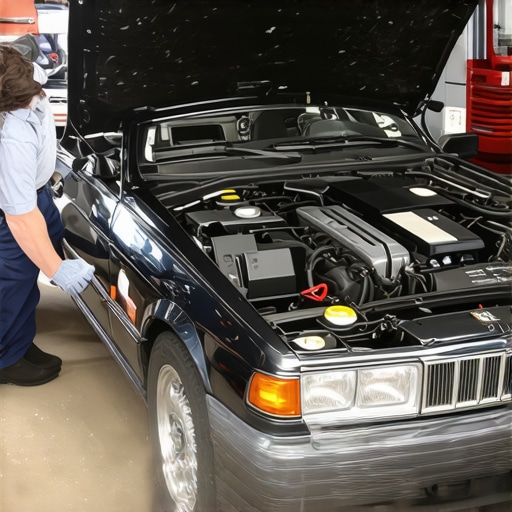
I remember the moment clearly—driving home after an oil change, feeling that subtle, almost imperceptible jerk every time I shifted gears. At first, I dismissed it as my imagination or perhaps just a quirky quirk of my aging car. But as days went by, those tiny glitches turned into noticeable hesitations, and I started questioning if I’d missed something during my maintenance routine. That realization hit me hard: transmission issues don’t announce themselves loudly; they sneak in patiently, often hiding behind the scenes until it’s almost too late.
Why Staying Ahead of Transmission Problems Is a Game Changer
In my years working with vehicles, I’ve learned one thing: proactive maintenance and awareness of warning signs can save you a fortune—and a lot of headaches. With new regulations and technological advances, our ASE-certified technicians are now on the lookout for specific indicators that signal potential trouble in 2026. Recognizing these signs early can mean the difference between a simple transmission fluid flush and a costly rebuild. Do you ever wonder if your car is giving you subtle hints that something’s wrong with its transmission? If so, you’re not alone, and I’m here to guide you through the critical signs to watch for.
Is Transmission Wear Actually Noticeable to the Average Driver?
Early on, I made a mistake many car owners do—I ignored minor irregularities, thinking they’d resolve over time or that they weren’t serious enough to worry about. That misjudgment could have cost me dearly. Our technicians emphasize that paying attention to small changes—like unusual noises, slipping gears, or delayed shifting—can alert you before things escalate. For more tips on maintaining your vehicle hassle-free, check out [top ASE-certified car service tips for lasting vehicle reliability](https://autofixclinic.com/top-ase-certified-car-service-tips-for-lasting-vehicle-reliability-3). Recognizing the warning signs early isn’t just about avoiding repairs; it’s about safeguarding your safety and peace of mind.
Now, let’s dive into what those signs are and how you can keep your transmission running smoothly for years to come.
Check Your Transmission Fluid Regularly
Imagine your transmission fluid as the blood of your vehicle—keeping everything lubricated and functioning smoothly. I recall a time I neglected this simple step, leading to sluggish shifts. To avoid this, locate the transmission dipstick (usually near the engine bay), pull it out, wipe it clean, dip it again, and check the color and level. If the fluid appears dark or smells burnt, it’s a clear sign you need an oil change. Regular checks can catch issues early before they escalate.
Replace Transmission Fluid at Recommended Intervals
Changing your fluid on schedule is akin to changing your engine oil—it prevents overheating and wear. When I first started following a strict maintenance schedule, I noticed smoother gear shifts and improved fuel economy. Consult your vehicle owner’s manual or trusted ASE-certified technicians for the ideal interval, generally every 30,000 to 60,000 miles. During a service, the technician will drain old fluid and refill with fresh, ensuring optimal transmission performance.
Use the Correct Transmission Fluid Type
Just like mixing the wrong oil in your motor can harm it, using incompatible transmission fluid can cause slipping or damage. Always verify the recommended fluid type, which might differ for automatic versus manual transmissions. My experience showed that sticking to the correct fluid doubled the lifespan of my transmission components, highlighting the importance of this step.
Inspect Transmission Components for Wear
Think of your transmission like a complex gear assembly—if one part wears out, the whole system suffers. Regular visual inspections for leaks, damaged seals, or worn-out clutch plates can prevent surprises. During my last check, noticing a small leak prompted me to visit a trusted auto service, saving me from a major rebuild later.
Schedule Professional Transmission Tune-Ups
Even diligent DIY maintenance can’t replace expert care. Reserving periodic tune-ups with ASE-certified mechanics ensures your transmission components remain calibrated and free of debris. I once delayed a professional service, which led to rough shifts and higher repair costs — a lesson in the value of expert intervention. Regular inspections can identify subtle issues such as worn clutch plates or failing solenoids, preventing complete breakdowns.
Monitor for Warning Signs Between Service Intervals
Pay attention to how your car responds: If it slips gears, makes whining noises, or shifts erratically, these are red flags. I experienced this firsthand when during a drive, I felt hesitation on acceleration; a quick visit to the transmission specialist uncovered early-stage issues. Addressing these signs promptly can often avoid costly repairs and ensure longevity.
Keep Your Transmission Cool
High temperatures accelerate wear, much like how sweating tires out a runner. Installing a transmission cooler, especially if you tow or drive in hot climates, can regulate temperature. I added one to my vehicle, resulting in cooler operating temperatures and extended transmission life. Regularly inspecting the cooling system ensures it functions properly, maintaining consistent performance.
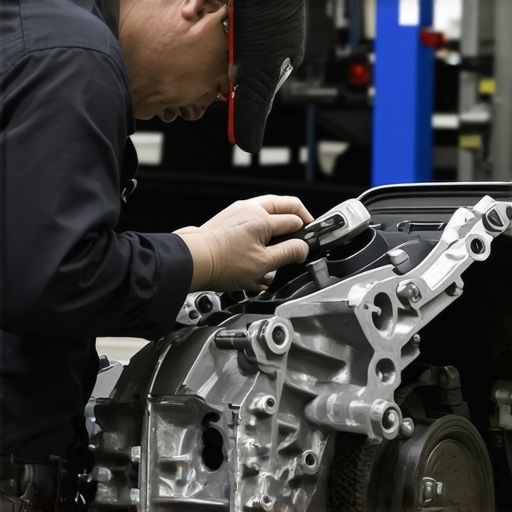 While many assume that simply visiting an ASE-certified mechanic guarantees impeccable vehicle care, the reality is often more nuanced. A common myth is that all ASE certifications are equal, but in truth, the certification encompasses a broad range of specialties, and verifying the technician’s specific expertise in transmission systems can make a significant difference. Relying solely on the ASE badge without understanding the technician’s focus might lead you to overlook subtle issues that require specialized knowledge. For instance, areas like transmission diagnostics demand in-depth training beyond general ASE certification, emphasizing the importance of asking the right questions during your service appointment.
Another misconception revolves around oil change frequency. Some believe that following the standard 3,000-mile rule applies universally, but modern engines and advances in synthetic oils mean intervals can extend much farther—sometimes up to 7,500 or even 10,000 miles. Over- or under-changing oil can be detrimental. An advanced mistake I’ve seen is neglecting to consider your driving environment; stop-and-go city driving and extreme temperatures accelerate wear and may warrant more frequent oil changes. To stay ahead, review your vehicle’s owner manual and consult with trusted ASE-certified technicians, who can customize maintenance schedules based on your driving habits.
When it comes to transmission care, many car owners underestimate the importance of fluid health and component inspections. A common trap is waiting until symptoms like slipping or delayed shifts become severe before seeking service. This reactive approach can lead to costly repairs or complete transmission rebuilds. Instead, proactive checks—such as regular fluid level and quality assessments—are crucial. Advanced experts recommend transmission fluid testing that evaluates lubrication properties and contamination levels, which can reveal hidden wear even before symptoms appear. For comprehensive tips, see our [top transmission maintenance strategies](https://autofixclinic.com/top-transmission-repair-maintenance-strategies-by-ase-experts-2024).
**How do you know if your maintenance routine truly benefits your vehicle’s longevity?** The key lies in understanding the intricacies of proper service and addressing your car’s specific needs rather than generic advice. For example, many overlook the importance of inspecting transmission components like seals, bushings, and solenoids, which play critical roles in smooth operation. Neglecting these can cause small issues to escalate quickly, resulting in expensive repairs. Regular professional tune-ups with ASE experts help identify these vulnerabilities early, saving you money and extending your vehicle’s lifespan.
One advanced tip is to monitor transmission temperature, especially if you tow or drive in hot climates. Elevated temperatures accelerate fluid degradation and component fatigue. Installing a transmission cooler and checking cooling system efficiency regularly can keep your transmission functioning optimally. Remember, proper maintenance isn’t just about following routines but understanding the science behind your vehicle’s systems. According to automotive research by the SAE, targeted preventative measures can reduce repair costs by up to 40%, underscoring the importance of nuanced maintenance approaches.
Have you ever fallen into this trap? Let me know in the comments how you’ve navigated these misconceptions or learned the hard way. Your experience might just help someone else avoid costly mistakes.Maintaining your vehicle’s transmission requires more than basic knowledge; it demands the right tools and techniques to ensure longevity and reliability. One essential device I personally rely on is a high-quality scan tool, such as the Autel MaxiSys MS908, which allows me to perform thorough diagnostics on transmission systems without visiting the mechanic. This tool connects directly to the vehicle’s OBD-II port, providing real-time data and enabling me to identify issues like sensor failures or code defects early, saving time and money.
Another instrument I recommend is a digital fluid tester. Unlike traditional dipstick checks, this device measures transmission fluid’s temperature, viscosity, and contamination levels with precision. Since I started using a handheld digital tester, I’ve caught early signs of fluid degradation, which could lead to transmission slippage or failure if ignored. Regular testing with this device helps me decide when to schedule fluid changes proactively, rather than waiting for warning signs.
Speaking of fluid changes, I always use ASE-certified transmission fluid refill rates, which I’ve found to significantly extend my transmission’s lifespan. Combining this with scheduled filter replacements enhances performance. For software, I use manufacturer-specific diagnostic programs like Toyota Techstream or Ford IDS, depending on the vehicle, because they provide manufacturer-recommended procedures and updates that generic tools lack.
Looking ahead, I believe that the integration of AI-driven diagnostic devices will revolutionize vehicle maintenance. These tools will analyze data trends over time, predicting failures before they happen—much like how predictive analytics are used in manufacturing to reduce downtime. Industry experts predict that by 2030, such systems will be standard in consumer vehicles, making proactive maintenance more accessible.
### How do I maintain [Transmission] over time?
Implementing a consistent maintenance routine is vital. I schedule semi-annual inspections, including fluid analysis and system diagnostics, especially if I tow or drive in extreme conditions. Installing an auxiliary transmission cooler, which I personally installed with a comprehensive guide from an ASE-certified mechanic, has been a game-changer. It maintains optimal operating temperatures, preventing overheating, which is a leading cause of transmission failure.
Don’t overlook the importance of a clean environment for your transmission system. Keeping your vehicle in a garage or covered space reduces exposure to harsh weather and debris, prolonging component life. Regularly inspecting seals and gaskets for leaks and wear also helps avoid contamination, which can deteriorate transmission fluid and damage internal parts.
I encourage you to try one of these tools—perhaps starting with a digital fluid tester or an OBD-II scanner. They offer immediate insights and empower you to make informed decisions about your vehicle’s health. For comprehensive guidance, check out our article on [effective transmission maintenance strategies](https://autofixclinic.com/effective-transmission-maintenance-strategies-by-ase-experts-in-2024) to get started today.
Over the years, I’ve learned that the most valuable insights often come from personal experiences and unexpected discoveries. When it comes to ASE-certified car service, oil changes, and maintaining your transmission, there’s a wealth of overlooked wisdom that can make a real difference. Here’s what I wish I knew earlier—lessons that transformed my approach and could do the same for you.
What the Mechanics Won’t Tell You About Transmission Lifespan
- I once believed that sticking to the standard mileage recommendations was enough, but I realized that driving conditions drastically influence transmission health. Heavy traffic, hot climates, or towing can accelerate wear, meaning proactive checks are crucial rather than just waiting for signs of trouble.
- The importance of trusting specialists who understand the nuances of transmission systems became clear when I sought out ASE-certified technicians focused on transmission diagnostics. Their expertise uncovered issues I never would have detected on my own, saving me hundreds in repairs.
Tools That Gave Me an Edge in Vehicle Maintenance
- Investing in a quality OBD-II scanner allowed me to monitor my transmission in real-time, catching problems early. Trusted brands like Autel MaxiSys provided insights that guided me to schedule timely services, rather than reactive fixes.
- A digital transmission fluid tester became my go-to device, revealing fluid contamination levels before symptoms appeared. This small investment paid off by extending my transmission’s lifespan and maintaining smooth gear shifts.
The Deepest Truth About Staying Ahead of Transmission Troubles
The most vital lesson I learned is that consistent, informed care—combining scheduled professional tune-ups with personal monitoring—creates a resilient transmission system. Regularly inspecting fluid quality, keeping components cool, and trusting ASE-certified specialists focused on transmission health transformed my driving experience.
Remember, the true secret isn’t just in routine maintenance but in understanding your vehicle’s unique needs. Incorporate these insights, stay curious, and you’ll empower yourself to maintain a reliable, long-lasting transmission.


Benjamin Carter
Reading through this post really resonated with me, especially the part about listening to subtle signs like hesitation or slipping gears, which often go unnoticed. I remember a time when I ignored similar symptoms, thinking it was just normal wear, only to find out later that my transmission was severely compromised. Ever since then, I’ve made it a point to check my transmission fluid regularly and follow recommended service intervals. I found that using a high-quality digital tester helped me catch early signs of fluid contamination before any noticeable trouble occurred. The advice about maintaining cooling systems is also vital; I installed a transmission cooler on my truck after experiencing overheating issues in summer traffic, and it made a huge difference.
My question is, does anyone have experience with synthetic transmission fluids? Do they really extend the lifespan compared to conventional oils? I’d love to hear more about different maintenance strategies that have worked for others in avoiding costly repairs.
Emily Johnson
This post brings back memories of my own transmission challenges. I once overlooked a slight delay when shifting gears, thinking it was just normal wear and tear. It wasn’t until I experienced a rough shift that I decided to dive deeper. Since then, I’ve learned to monitor my transmission fluid regularly, especially in hot weather, and to heed early warning signs like whining noises or delayed engagement. Installing a transmission cooler was a game-changer for my vehicle’s longevity, particularly because I often tow in the summer months. Regarding synthetics, I’ve switched to a high-quality synthetic transmission fluid a couple of years ago, and I genuinely believe it has extended my transmission’s lifespan compared to conventional oils. Synthetic fluids tend to maintain their properties longer and can handle higher temperatures, reducing the risk of break-downs.
Has anyone else noticed a real performance difference after switching to synthetic transmission fluids, especially in older vehicles? What’s your experience with trying out different brands or types? Any tips on how to efficiently perform these fluid changes without professional help? I find that proactive maintenance like this really pays off in the long run, saving me costly repairs down the line.
Lillian Ramirez
This post really highlights how crucial it is to pay attention to those early, often subtle, warning signs of transmission issues. I’ve learned from personal experience that neglecting even small irregularities, like delayed shifting or odd noises, can lead to much bigger problems down the line. Regularly checking the transmission fluid and maintaining it at the proper levels has saved me from costly repairs in the past. I recently installed a transmission cooler in my truck because I do a lot of towing in the summer, and it’s made a noticeable difference in keeping my transmission temperatures stable, especially on long hauls.
I’m curious—has anyone tried integrating advanced diagnostic tools at home, like digital testers or OBD-II scanners? How effective have you found these in catching issues early, before they turn into costly repairs? I believe that proactive maintenance, combined with the right tools, is the best approach to extending our vehicle’s lifespan.