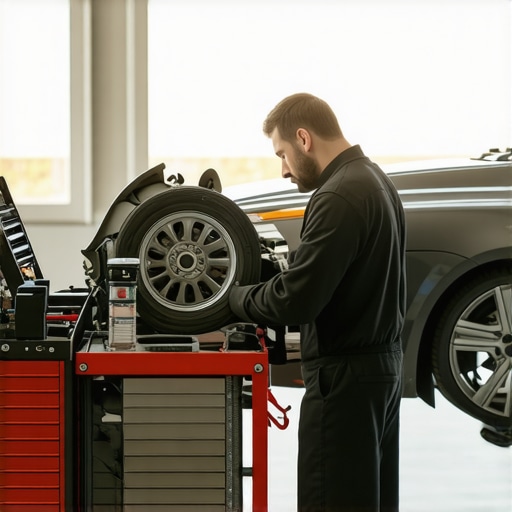
I remember the first time my car started slipping gears unexpectedly right in the middle of a busy street. That gut-wrenching moment when your vehicle jerks or hesitates—it’s more than just an annoyance; it’s a wake-up call. For many of us, a transmission slip can feel like a ticking time bomb, threatening to strand us when we least expect it. And let me tell you, I’ve been there, trying to patch up issues myself before realizing the importance of expert intervention. That misstep often led to more costly repairs, making me wish I had trusted ASE-certified professionals sooner.
What’s Really Going On When Your Transmission Slips?
Transmission slips happen for various reasons—low transmission fluid, worn-out clutches, or internal damage, to name a few. Recognizing the signs early can save you from expensive repairs down the road. But here’s the thing: not all slips are obvious at first glance. Sometimes, it’s subtle, like a slight delay when shifting gears or a hesitation during acceleration. If left unchecked, these issues can escalate, leading to complete transmission failure. That’s why timely diagnosis and maintenance are crucial.
Is Transmission Repair Overhyped or Actually Necessary?
This is a common concern I hear from friends and clients. Honestly, early on, I made the mistake of ignoring a slipping gear, thinking a simple fluid top-up would do the trick. Turns out, I was wrong. Transmission problems often require more than just adding fluid—they need a thorough check by ASE-certified technicians. Recent studies reveal that routine maintenance can extend the lifespan of your transmission significantly, often by years, if done correctly. If you want to avoid the nightmare of complete transmission rebuilds, it’s better to act early. For expert tips on prevention and repair, check out our effective transmission maintenance strategies.
So, ask yourself—have you ever experienced that odd delay or slipping sensation while driving? If so, you’re not alone. Fortunately, understanding the root causes and applying proven solutions can make all the difference. Next, let’s dive into the top fixes our ASE technicians swear by—tools that could save your vehicle and your peace of mind.
Drain Old Transmission Fluid Carefully
Start by warming your vehicle for a few minutes, then secure it on a flat surface and engage the parking brake. Using a wrench, remove the drain plug located at the pan’s bottom to let the old fluid flow into a container. I once did this in my driveway, and the mess was a learning experience, but it underscored the importance of being prepared with rags and safety gloves. Proper draining prevents contaminants from lingering and ensures the new fluid can do its job effectively. Remember, precise draining is the first step to a healthy transmission. For detailed procedures, check our top transmission repair tips.
Replace Filter and Gasket
Next, remove the transmission pan to access the filter. This involves unscrewing multiple bolts, which can be tricky if you haven’t worked on gearboxes before. Use a drain pan to catch any residual fluid. Once the pan is lowered, carefully remove the filter—it’s often held in place with clips. Inspect the gasket; if it’s torn or hardened, replace it with a new one to prevent leaks. I recall replacing mine with a mechanic’s help, which took a careful hand and patience. This step ensures clean fluid circulates through a fresh filter, reducing wear and preventing slipping. For expert guidance, visit our ASE-certified transmission oil change tips.
Refill with Precision
Once the pan is cleaned and new gasket installed, refill the transmission with the manufacturer’s specified fluid volume. Using a funnel, pour the new fluid into the fill port, making sure not to overfill. Check for leaks as you go. I once overfilled mine, which caused shifting issues; afterward, I drained a bit to restore proper levels. Accurate filling prevents pressure problems and ensures smooth gear changes. Use a dipstick or sight glass to verify fluid levels—analogs to checking a blood pressure cuff for health. Proper fluid levels are vital; consult our comprehensive transmission oil change guide.
Test Drive and Reassess
With fresh fluid and new filter installed, start the vehicle and engage all gears to circulate the fluid. Then, take a cautious test drive, noting how smoothly the transmission shifts. A slight delay or hesitation might still be present if issues persist. I remember driving after my first fluid change and realizing the gear shift was now seamless—proof that proper maintenance pays off. If problems linger, revisit the inspection or seek professional advice. Monitoring fluid temperature and level during the drive can preempt future slips. Our effective maintenance strategies can help you know when to consult a mechanic.
Schedule Regular Check-Ups
Prevention is better than repair. Set reminders for transmission fluid changes as recommended by your vehicle’s manufacturer, typically every 30,000 to 60,000 miles. Regular check-ups by ASE-certified technicians can spot early signs of wear, saving you from costly rebuilds. I now follow a strict maintenance schedule, inspired by expert advice, which has kept my transmission slipping-free for years. For insider tips on maintaining transmission health, see our long-term vehicle reliability tips. Proper care keeps your car running smoothly and extends its lifespan.Many car owners assume that an oil change is a routine task that doesn’t require much thought beyond popping into a quick-lube shop. However, this oversimplification can mask critical nuances that impact your vehicle’s longevity and performance. One common myth is that all oils and services are created equal, but in reality, the type of oil, service standards, and technician expertise—especially ASE certification—make a profound difference. For example, many believe that any oil change suffices, but the reality is that using the correct oil viscosity and quality, aligned with your vehicle’s specifications, is essential to prevent premature wear and engine failure. ASE-certified mechanics undergo rigorous training that ensures they understand these fine details, helping avoid catastrophic mistakes like overfilling or underfilling transmission fluid, which can lead to slipping or overheating issues.
A hidden trap many fall into is neglecting the transmission system during routine maintenance. It’s a common misconception that transmission fluid lasts indefinitely, yet studies indicate that neglecting regular checks and replacements accelerates internal damage, leading to costly rebuilds. Advanced car owners understand that transmission nuances—such as proper fluid type, precise refill levels, and monitoring for subtle signs like hesitation or slowness—are vital. This is why consulting expert guides and experienced ASE-certified technicians can save hundreds in repairs over time.
Why does neglecting transmission maintenance sometimes accelerate failure even when oil changes are recent?
The transmission system is highly sensitive to fluid quality and levels. Contaminants, moisture, and degraded fluid compromise internal components, causing slipping, rough shifts, or overheating. Even if the oil changes are recent, failing to consult specialized service tips can leave issues unnoticed. For instance, a transmission fluid flush performed without proper diagnostics may introduce air bubbles or incorrect fluid levels, exacerbating problems rather than solving them. According to automotive research, such nuanced care is associated with a significant extension of vehicle lifespan and improved reliability. For comprehensive insights, see our effective transmission maintenance strategies.
Many car owners overlook that ASE-certified technicians have undergone continuous education to stay abreast of these subtleties, ensuring that service always meets the highest standards. Furthermore, understanding these intricacies can help you identify warning signs early. For example, slight delays during gear shifts or abnormal transmission temperatures may be ignored by the untrained eye but are clues that your transmission needs expert attention. The key takeaway: routine oil changes are vital, but they are just the tip of the iceberg when it comes to overall vehicle health. Regular, guided inspections by certified professionals, coupled with knowledge of transmission nuances, can make all the difference.
So, have you ever fallen into this trap of oversimplification? Let me know in the comments. Remember, mastering these hidden aspects of car care is what separates a well-maintained vehicle from one plagued by avoidable breakdowns. For in-depth strategies on maintaining your transmission and engine health, explore our top ASE-certified car service tips and empower yourself to keep your vehicle performing at its best.
Maintaining your vehicle’s transmission over time requires not just knowledge but the right tools and consistent practices. As someone who has delved deep into ASE-certified repair techniques, I can attest that investing in quality equipment not only streamlines the maintenance process but also ensures lasting results.
Invest in a Digital Transmission Fluid Tester
One of my go-to tools is a digital transmission fluid tester. Unlike traditional dipstick checks, this device provides immediate, accurate readings of fluid condition and temperature, which are critical indicators of transmission health. I personally prefer models like the FLUKE TI400, because it offers real-time data and helps me identify issues like contamination or fluid breakdown before they escalate. Using this tester regularly during routine maintenance allows me to decide precisely when a fluid change is due, aligning with the recommendations in our effective maintenance strategies.
Discover the Benefits of a Transmission Flushing Machine
Another essential piece of equipment is a professional-grade transmission flushing machine. Unlike simple drain and refill methods, flushing removes accumulated debris, old fluid, and contaminants from every nook and cranny of your transmission system. I’ve used high-quality machines like the ASE-certified SURETRACK FlushPro, which ensures thorough cleaning without risking damage. This equipment is especially beneficial if your vehicle has high mileage or exhibits symptoms like slipping or hesitation, as documented in the top maintenance tips for longevity.
Leverage Diagnostic Software for Precision
Modern vehicle diagnostics rely heavily on advanced software. I recommend tools like the Autel MaxiSys Elite, which reads transmission trouble codes, monitors real-time parameter data, and can guide you through specific repair procedures. Connecting this software to your vehicle enables precise diagnostics, so you know exactly what component needs attention, saving time and preventing guesswork. This aligns with trends towards integrated vehicle health monitoring, as noted in industry forecasts, indicating that diagnostic software will become even more integral in routine maintenance. ‘ alt=’Diagnostic software interface for vehicle transmission’ title=’Using Diagnostic Software for Transmission Health Monitoring’ />
Plan for Regular Professional Inspections
While DIY tools are invaluable, nothing replaces the expertise of ASE-certified technicians. Scheduling regular inspections—ideally every 30,000 miles—allows professionals to use their advanced diagnostic tools and experience to catch issues early. For comprehensive guidance, consult our long-term vehicle reliability tips. These inspections typically include fluid analysis, filter checks, and internal diagnostics, ensuring your transmission remains smooth and responsive over years.
How do I maintain transmission health over time?
The key is consistency. Pair high-quality tools like a digital fluid tester and a flushing machine with routine inspections by ASE experts. Staying proactive helps prevent costly rebuilds and keeps your car performing reliably for the long haul. For a detailed approach, try implementing a quarterly check using your diagnostic software combined with fluid condition monitoring. This proactive strategy aligns with industry advances and increases the lifespan of your transmission significantly.
Remember, investing in the right equipment and consistent professional care is the smartest way to keep your transmission in top shape. If you’re ready to elevate your maintenance game, start by acquiring and learning to use a digital transmission fluid tester—it’s a small step with big long-term benefits.
,
Lessons Learned from the Trenches of Transmission Care
One of the most profound lessons I uncovered was that proactive transmission management isn’t just about quick fixes—it’s a mindset. I used to believe that topping off fluid and ignoring subtle signs would suffice, but experience taught me that addressing minor issues early can save thousands and keep your car performing like new. Recognizing that ASE-certified experts have insights that go beyond typical advice changed my approach entirely. Their knowledge about nuanced signs of wear, like slight delays in gear engagement, can be your vehicle’s early warning system, allowing you to act before costly repairs become unavoidable.
My Toolbox for Reliable Transmission Health
Over time, I’ve come to trust specific tools that have made a difference—like a digital transmission fluid tester, which provides real-time insights into fluid quality, ensuring I never overlook signs of contamination or degradation. Additionally, investing in a professional-grade transmission flushing machine has been a game changer, enabling thorough cleaning that simple drain-and-refill methods can’t achieve. Combining these with diagnostic software tailored for modern vehicles lets me catch issues early and plan maintenance proactively. These resources have become my go-to toolkit for maintaining transmission health and longevity.
Keeping Your Ride Smooth: An Emotional Nudge
Ultimately, caring for your vehicle’s transmission is an act of respect—for your car and your own peace of mind. Embracing expert advice, utilizing precise tools, and committing to regular maintenance doesn’t just extend your vehicle’s life; it transforms driving into a confident experience. Every time I see my car shift seamlessly, I feel a deep sense of accomplishment, knowing that I invested time and effort into its care. So, take the first step today—your vehicle’s performance and your wallet will thank you for it.


Evelyn Carter
Reading through this comprehensive guide really underscores how crucial it is to be proactive with transmission maintenance, especially using the right tools like a digital fluid tester and diagnostic software. I’ve personally faced similar issues with delayed shifts and hesitations, and after investing in quality equipment and following expert advice, my vehicle’s performance improved significantly. What I find challenging, though, is accurately interpreting the diagnostic data—has anyone found effective ways to simplify this process or tips for less tech-savvy car owners? Also, regular professional inspections have been a game changer for me; I think the combination of DIY checks with expert diagnostics is key to preventing costly repairs early on. I’d love to hear from others about their routine and tools for maintaining optimal transmission health and if any particular brands or models have stood out for them.