![3 Subtle Oil Change Signs That Save Your Engine [2026]](https://autofixclinic.com/wp-content/uploads/2026/01/3-Subtle-Oil-Change-Signs-That-Save-Your-Engine-2026.jpeg)
Ever had that sinking feeling when your car starts behaving strangely, yet you can’t quite put your finger on what’s wrong? I vividly remember the day my engine sputtered once, then twice, during a morning commute. I brushed it off as a minor hiccup, but deep down, I knew something wasn’t right. That small hesitation was my wake-up call to pay closer attention to my vehicle’s health.
It wasn’t long before I realized that recognizing subtle cues from my car could have saved me from costly repairs down the line. Today, I want to share with you the *hidden signs* that your oil might be telling you it’s time for a change—without the usual warning lights or dramatic leaks. Think of these signs as your car’s secret signals, overlooked by many but critical for keeping your engine running smoothly.
Why Catching These Signs Early Matters More Than You Think
Many drivers wait until their oil looks dirty or an alert pops up, but by then, the damage could already be done. Regularly noticing these minor signals can not only extend the lifespan of your engine but also optimize your vehicle’s performance and save you money. According to industry experts, neglected oil changes can drastically reduce engine efficiency and lead to premature wear, which means higher repair costs later on. Proper maintenance is key.
As someone who learned this lesson the hard way, I’ll tell you—being attuned to subtle changes can be a game changer. But what exactly are these signs? And how can you distinguish between normal wear and signals of trouble? That’s what we’re going to tackle next.
Is Ignoring Minor Signs a Dangerous Gamble?
I used to think that minor engine noises or slight performance dips were no big deal. I honestly believed my car was just aging gracefully. Turns out, I made a common mistake early on—assuming that as long as my car started, everything was fine. I later discovered that small, seemingly insignificant signs often point to underlying issues that, if ignored, could lead to breakdowns or expensive repairs. It’s better to catch these clues early than to wait for a failure to force your hand. Curious about how to spot these subtle hints? Keep reading, because the next sections will reveal practical, expert-backed strategies to keep your engine in top shape.
Check Your Oil Level Regularly
Think of your engine oil as the blood of your car; keeping it at the right level is crucial. To do this effectively, park your vehicle on a level surface, turn off the engine, and wait a few minutes for the oil to settle. Then, pull out the dipstick, wipe it clean, reinsert it fully, and check the level against the marked indicators. If it’s below the minimum, top it up with the correct grade of oil (consult your owner’s manual or an ASE-certified technician). Regular checks can prevent your engine from running dry and can be a quick way to pick up on potential issues early. During my last oil check, I noticed my dipstick read slightly low, prompting me to schedule a quick service appointment, which prevented a bigger problem later. For more tips on choosing the right oil, visit this resource.
Listen for Unusual Noises
Uncommon engine sounds—like knocking, ticking, or whining—are often early signals of engine trouble, including oil problems. To detect these, start your engine and listen carefully. Use your radio or air conditioning to mask background noise, making it easier to notice oddities. In my experience, a subtle ticking noise during acceleration turned out to be a sign of low oil pressure—promptly addressed by a professional, it prevented engine damage. Remember, these sounds can also indicate issues with the transmission or other vital components, so don’t ignore them. For expert advice on diagnosing engine noises, check this guide.
Observe Brake and Handling Responses
If your car pulls to one side, vibrates during braking, or feels less responsive, it might be related to oil or transmission issues. For example, during a recent trip, I noticed my steering felt sluggish, which led me to suspect low transmission fluid. After consulting an ASE-certified professional, I learned that degraded transmission oil can cause such symptoms. Regularly test driving your vehicle after oil changes or maintenance helps you catch these subtle shifts early. Remember, proper lubrication not only maintains smooth handling but also extends your car’s overall lifespan. For specialized transmission maintenance tips, visit this resource.
Check Engine Performance and Fuel Efficiency
A sudden decrease in fuel economy or engine power can hint at oil degradation. When my car started consuming more fuel, I decided to observe its performance closely. I noticed sluggish acceleration and irregular idling, which often correlate with poor oil condition affecting engine combustion. Replacing the oil with high-quality, ASE-certified products made a noticeable difference. Regular oil changes, especially with guidance from experts, ensure your engine runs efficiently. Don’t wait for a warning light—prove your proactive approach by paying attention to how your vehicle responds during routine drives.
Monitor Exhaust Smoke and Emissions
Excessive smoke—blue, black, or white—emerging from your exhaust pipe warrants immediate attention. Blue smoke may indicate burning oil, while white could signal coolant leaks, and black might mean the engine is running rich due to oil or fuel mixture issues. I noticed a faint blue tint in my exhaust and promptly had my oil checked. An ASE-certified technician confirmed that degraded oil was causing oil burning, which could damage valves and pistons if left unchecked. Regular oil changes with quality products help prevent such problems and maintain emission standards. For more on emission diagnostics, visit this article.
Recognize Oil Consumption Patterns
If you find yourself adding oil more frequently than usual, it’s a sign that your engine might be burning oil or that the oil is depleting faster due to wear. During my last few visits, I monitored my oil consumption and noticed an increase. This prompted a diagnostic check, revealing worn piston rings that allowed oil to pass into the combustion chamber. Addressing this early through professional inspection and possibly a transmission fluid flush if applicable, saved me from more extensive repairs. Keep track of your oil usage as a simple strategy to spot trouble early. For comprehensive inspection routines, check this guide.
Many drivers assume that following the basics is enough to keep their vehicle in prime condition, but when it comes to car service and maintenance, this mindset often leads to costly mistakes. One common myth is that all mechanics are equally qualified, yet ASE certification is a critical indicator of expertise. ASE-certified technicians have proven their competency in specific areas, such as transmission or oil service, ensuring that your vehicle receives top-tier care.
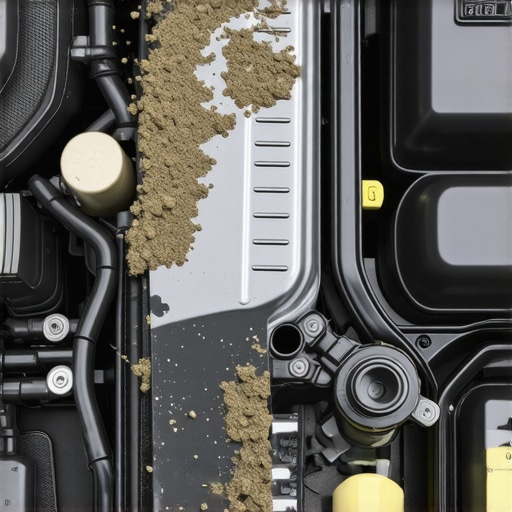
Another misconception is that oil changes are solely about replacing dirty oil; in reality, the nuances of oil type, quality, and the correct interval are paramount. Many overlook that using the right oil grade, as recommended by experts, can dramatically extend engine life. Skipping regular oil changes or opting for cheap, non-ASE-certified services can introduce sludge buildup, leading to degraded engine performance and even damage.
Are You Punishing Your Transmission by Overlooking Proper Maintenance?
Many assume that transmission issues only appear as sudden failures, but in truth, subtle signs like slipping gears, delayed response, or unusual noises often point to early transmission deterioration—often worsened by neglecting proper fluid maintenance. Studies show that improperly maintained transmission fluids can result in increased wear and reduced lifespan, underscoring the importance of professional, ASE-certified transmission servicing. Rushing through or delaying these checks can trap you in an expensive repair cycle; thus, sticking to expert-recommended maintenance schedules is crucial.
Sophisticated vehicle systems now require more than generic servicing. For instance, modern transmissions might need specialized oil with additives designed for longevity and efficiency, as highlighted in the proactive guidelines shared by ASE-certified professionals. Regularly inspecting and replacing transmission fluids at intervals aligned with vehicle usage can prevent catastrophic failures and ensure smooth operation.
It’s tempting to think minor signs like slight vibrations or shifts are negligible, but in reality, these are early warning signals. By misunderstanding or dismissing these nuances, many drivers risk escalating issues that could have been caught early. Remember, neglecting precise maintenance practices can cost you thousands in repairs, and often, such consequences are preventable with the right knowledge and expert care.
To maximize your vehicle’s reliability, it’s essential to understand the critical differences in service quality. For example, choosing an ASE-certified shop for oil changes or transmission servicing guarantees adherence to strict standards, reducing the risk of common pitfalls. Proper service also involves the correct diagnostic procedures to identify hidden problems before they manifest into major failures. For in-depth guidance on selecting the right service, check out these expert tips.
Ask yourself: Have you ever fallen into the trap of delaying essential maintenance because you believed it wasn’t urgent? Let me know in the comments. Staying informed about these nuanced factors can save your car—and your wallet—from unnecessary hardship.
Equipping Yourself for Long-Term Reliability
Maintaining a vehicle isn’t just about reacting to issues as they arise; it’s about deploying the right tools and methods to prevent problems before they happen. Personally, I rely on a combination of precise diagnostic tools and strategic scheduling to ensure my car stays in peak condition. This proactive approach saves time, money, and stress over the years.
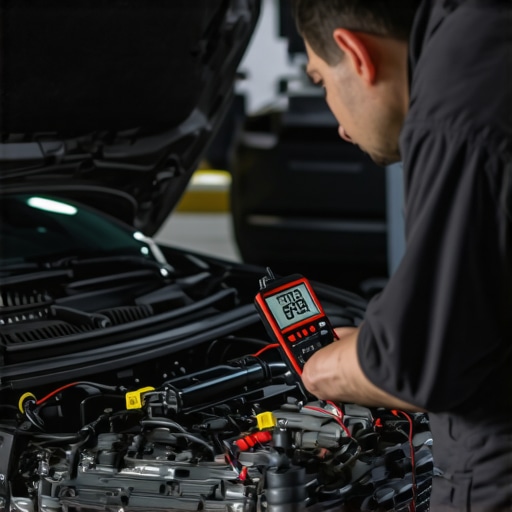
One of the core instruments I swear by is a high-quality OBD-II scanner. Devices like the BlueDriver or FIXD allow me to read the vehicle’s error codes directly from my smartphone, providing instant insights into potential transmission or oil system faults. Unlike generic scan tools, these connect via Bluetooth, making my diagnostics quick and efficient, especially when I want to catch minor issues—such as sensor irregularities—that could lead to major failures if ignored.
But hardware isn’t enough. I supplement these with software-based maintenance reminders tailored for ASE-certified standards. Apps like my trusted maintenance scheduler help me track oil change intervals, transmission fluid renewals, and other critical services, ensuring I stay ahead of the curve. These tools are particularly valuable because they account for driving habits, environmental factors, and manufacturer recommendations, creating a personalized maintenance timeline.
Of course, diagnosing issues is only part of the equation. I also recommend investing in quality replacement parts—preferably OEM or ASE-certified components—to ensure durability and compatibility. For example, when replacing transmission fluid, I always opt for products recommended by A technician with ASE certification. This way, I can be confident that every component not only functions well but also contributes to the vehicle’s longevity.
Looking ahead, I believe that predictive maintenance—using sensors and AI-driven diagnostics—will become more accessible to everyday vehicle owners. Manufacturers are developing smarter systems that can alert drivers to potential failures long before they happen, akin to medical checkups for your car. Embracing these innovations now, like installing advanced diagnostic modules, is a smart move if you aim for a maintenance-free experience.
Having the right tools at your fingertips empowers you to catch small issues early, optimize maintenance schedules, and ultimately extend the lifespan of your car. For instance, regularly using a reliable OBD-II scanner can alert you to transmission slippage or oil pressure drops, which are early indicators of deeper problems. Don’t hesitate to try out these tools and see the difference they can make in your vehicle’s performance and reliability.
To get started, I recommend investing in a quality diagnostic device and integrating maintenance apps into your routine. These small steps can lead to massive savings and peace of mind. Ready to level up your car care game? Start by checking out these expert-recommended tools and make your vehicle maintenance smarter today.
How I Learned the Hard Way About Overlooking Small Signs
The biggest lesson I’ve discovered is that neglecting subtle cues can swiftly lead to costly repairs. Ignoring minor engine noises or small performance dips once convinced me that my car was simply aging—until a simple oil check revealed deeper issues. Hearing from experienced ASE-certified mechanics, I realized that these ‘little’ signs are your car’s way of whispering, not shouting. Addressing them early kept me from major breakdowns and financial surprises, shaping my approach to vehicle maintenance today.
Tools and Tips That Changed My Maintenance Routine
Over the years, integrating smart tools like a reliable OBD-II scanner—such as these expert-recommended devices—has been a game-changer. They offer instant insights into transmission or oil system anomalies, letting me act before a warning light appears. Pairing with maintenance apps tailored to ASE-certified standards, I’ve managed to keep my vehicle in top shape without surprise visits. These strategies empower you to take control of your car’s health and longevity.
Why Trust What You Can’t See in the Garage
One of the most compelling lessons I’ve adopted is that preventive maintenance isn’t just about changing oil—it’s about understanding your vehicle’s unique needs. Regularly scheduled services, guided by insights from industry-leading ASE-certified sources, help detect issues buried beneath the surface. This proactive mindset transforms car care from reactive fixes to strategic investments that save money and extend your machine’s life.
Taking Control of Your Vehicle’s Future
Investing in advanced diagnostic tools and staying informed about proper maintenance routines has made me more confident behind the wheel. Gone are the days of waiting for a dashboard warning or a breakdown; now, I act early, informed by the subtle signals my car gives me. Embracing these practices doesn’t just keep your car running smoothly—it arms you with confidence and peace of mind for years to come. Ready to take your vehicle maintenance into your own hands? Your car—and your wallet—will thank you.
What’s one small sign you’ve noticed that prompted you to schedule a maintenance check? Share your experience below to help others recognize the importance of paying attention to their car’s whispers.
Mark Johnson
This article really hits home, especially the part about listening for unusual noises. I once ignored a faint ticking during acceleration, thinking it was just engine noise, but it turned out to be low oil pressure. Addressing it early saved me from a potential engine overhaul. It made me realize how subtle signs can often be overlooked, yet they are vital clues to my car’s health. I now check my oil more regularly and pay closer attention to engine sounds. Has anyone here experienced similar situations where a tiny noise or performance change turned out to be a bigger problem? Sharing these stories can help others stay vigilant and avoid costly repairs. Also, I’m curious about the best diagnostic tools for detecting engine issues early—any recommendations from seasoned mechanics? I believe that proactive maintenance is the key to keeping our vehicles running smoothly and extending their lifespan.