I vividly remember the moment I realized my car was slipping when shifting gears—like trying to walk through quicksand. That lightbulb moment made me question everything about my vehicle maintenance routine. Turns out, neglecting proper transmission care can lead to costly repairs down the line. Today, I’m here to share how I turned my car’s performance around by embracing expert strategies in transmission maintenance for 2024.
Why Proper Transmission Care Can Save You Money and Hassle
In my early days of car ownership, I thought that regular oil changes were enough to keep my vehicle running smoothly. It wasn’t until I experienced sudden transmission slips that I realized I’d overlooked a vital aspect of vehicle health. Transmission issues often sneak up quietly, but when they do, the repair bills can be staggering—sometimes hundreds or even thousands of dollars. According to the Automotive Service Association, proper transmission maintenance can prevent a majority of costly repairs, making it a smart investment for any car owner. Learn more about expert transmission strategies here.
Have You Faced the Frustration of Unexpected Transmission Problems?
If you’re like I was, maybe you’ve experienced that sinking feeling when your car hesitates or jolts during shifts. Trust me, ignoring these signs can lead to bigger issues. Early detection and maintenance are key, but it’s easy to fall into the trap of thinking such problems are just inevitable wear and tear. I made this mistake early on—assuming transmission issues were solely mechanical and out of my control. The truth is, regular checks guided by ASE-certified professionals can keep your transmission in top shape. For a comprehensive approach, check out this guide to ASE-certified car service.
So, how do we prevent our transmissions from becoming ticking time bombs? The answer lies in adopting proven strategies that are both effective and affordable. Let’s dive into the practical steps that transformed my approach—and how they can do the same for you.
Change Your Transmission Fluid Like a Pro
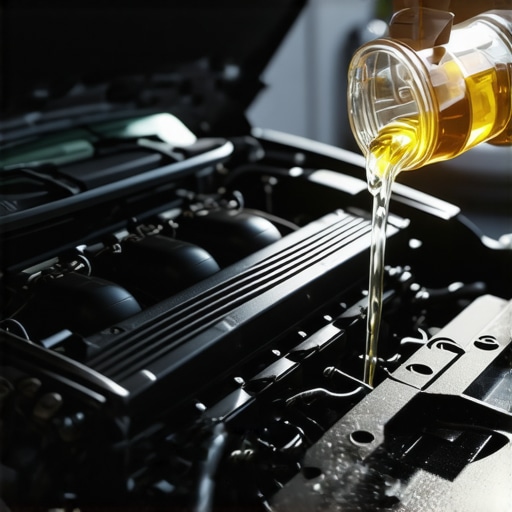
Start by locating your transmission dipstick, usually marked clearly under the hood. I remember the first time I attempted this—it was messy, with old fluid sloshing out. I used a clean funnel and a drain pan to catch the old fluid, then added the new fluid gradually, following the vehicle’s specifications. Remember, using the correct transmission fluid grade is critical. For guidance tailored to your vehicle, check out this expert advice on transmission oil change. A well-executed fluid change ensures smoother shifts and prolongs transmission life.
Perform Regular Transmission Checks
Don’t wait for warning lights to alert you. Periodically check your transmission fluid level and condition. To do this, warm up your engine, park on a level surface, and ensure the vehicle is in park. Pull out the dipstick, wipe it clean, then reinsert and pull out again to read the level. If the fluid is dark or has a burnt smell, it’s time for a change. I once ignored this simple step, which led to more severe issues down the line. For detailed check procedures, visit this comprehensive guide. Regular inspections catch problems early, saving you money and stress.
Inspect for Leaks and Damage
Transmission leaks are sneaky; a small puddle under your car can escalate quickly. Use a flashlight to inspect transmission lines, seals, and the pan for any signs of fluid leaks or damage. When I noticed a slight wetness around my seals, I immediately booked an appointment with an ASE-certified mechanic—an investment that prevented a complete transmission overhaul. To ensure your inspections are thorough, consider consulting this expert strategy guide. Catching leaks early helps prevent costly repairs, and maintaining proper fluid levels is crucial for transmission health.
Schedule Professional Transmission Service
While DIY steps are helpful, nothing beats professional diagnostics and service. ASE-certified technicians use specialized equipment to evaluate your transmission’s health accurately. During my first professional service, the mechanic ran a comprehensive computerized test—something I couldn’t do myself. They also replaced filters and checked for internal wear. This routine maintenance aligns with recommended intervals found in top ASE-certified service tips. Regular professional checkups ensure your transmission stays in prime condition and reduces unexpected breakdowns.
Use High-Quality Parts and Fluids
Skimping on fluids or parts is a false economy. Always choose OEM or high-grade alternatives recommended by your vehicle manufacturer. During a recent fluid change, I opted for a reputable brand with positive reviews—noticeable in smoother shifts afterward. For trusted product recommendations, explore this list of top-rated oils and parts. Quality components extend the lifespan of your transmission and enhance performance, making every dollar spent worthwhile.
Stay Consistent and Stay Informed
Maintaining your transmission isn’t a one-time task; it requires ongoing attention. Set reminders based on your vehicle’s maintenance schedule and stay updated with expert advice. I subscribe to newsletters from trusted mechanics, keeping me informed about new strategies and recall notices. Applying consistent care, guided by reliable resources like this ultimate guide, ensures dependable performance and prevents surprises on the road.
Many car owners operate under the misconception that simply changing their oil regularly suffices for optimal vehicle health. While routine oil maintenance is fundamental, there’s a deeper layer of nuance that often gets ignored—especially regarding what it truly means to follow ASE-certified service standards. Let’s dig deeper into what most people get wrong and how understanding these subtleties can save your car—and your wallet—in the long run.
One common myth is that all oil changes are created equal. Many believe that choosing the cheapest service or the lowest-grade oil won’t impact their vehicle’s performance. This could not be further from the truth. Quality matters, and professional ASE-certified technicians are trained to select the right oil type, viscosity, and additives tailored for your specific vehicle and driving conditions. Relying on non-certified or quick-lube services may seem convenient but often sacrifices the precision and expertise that prolongs your transmission and engine life. To get a comprehensive understanding of how professional service provides value, check out this resource on ASE-certified car services.
Is Your Oil Change Truly Optimal, or Just Routine?
Another overlooked nuance involves the timing and depth of oil changes. Many simply follow the standard interval (e.g., every 5,000 miles) without considering driving habits, climate, or vehicle age. Modern vehicles, especially those with complex transmissions, benefit from a more nuanced approach—consulting expert ASE technicians who can recommend specific oil change intervals and check for transmission fluid degradation. Skipping or delaying these tailored recommendations can lead to unnoticed wear on critical components. For advanced drivers and car enthusiasts, adopting a meticulous maintenance schedule can be the difference between a dependable ride and costly repairs. Dive into this ultimate guide to refine your approach.
Now, regarding transmission systems, many expect that a simple oil or fluid change will fix any underlying issues. However, improper service—like using the wrong type of fluid or neglecting the transmission seals—can exacerbate existing problems. Transmission fluid isn’t just lubricant; it’s integral for cooling, hydraulic pressure, and preventing corrosion. Using incompatible products or neglecting to replace transmission filters during oil changes are advanced mistakes that can lead to premature transmission failure. That’s why choosing ASE-certified experts who follow meticulous protocols, including correct fluid selection and filtration, is crucial. For comprehensive insights, explore this detailed maintenance strategy.
Can Overconfidence in DIY Tricks Actually Damage Your Car?
Many passionate DIYers fall into the trap of thinking that watching a few videos equips them to handle complex maintenance tasks. This overconfidence often results in overlooked details—like improper torque, missing seals, or using inferior-quality parts—that can impair transmission performance over time. Even seemingly minor mistakes can lead to significant issues like fluid leaks or internal component wear. Having trained ASE professionals perform or at least review your maintenance ensures these nuanced aspects are addressed. Remember, a faulty oil change or transmission service isn’t just about the immediate fix—it’s about avoiding repeat repairs that cost more in the long run. For more guidance on professional service standards, check out this expert advice.
In conclusion, understanding the depth behind routine maintenance like oil changes and ASE-certified service unveils the importance of nuance, precision, and expertise. Don’t settle for superficial fixes—your vehicle’s longevity depends on it. Have you ever fallen into this trap? Let me know in the comments.
,Maintaining your vehicle’s transmission doesn’t have to be a daunting task, especially when equipped with the right tools and knowledge. Over the years, I’ve refined my approach by investing in specific equipment that ensures precision and longevity. For instance, I personally rely on a high-quality transmission fluid extractor—such as the Akebono Brake Bleeder and Fluid Extractor—because it allows me to drain old fluid completely without creating messes or risking contamination. This tool has saved me countless hours and helped maintain the optimal fluid levels essential for smooth gear shifts. Additionally, I use a digital infrared thermometer, which provides instant readings of transmission case temperatures during service. Monitoring temperature helps prevent overheating, a critical factor highlighted by ASE-certified experts in their maintenance strategies in 2024.
How do I maintain transmission tools over time?
Regular calibration and proper cleaning are vital. I make it a point to follow manufacturer guidelines for calibration of my diagnostic tools and clean equipment thoroughly after each use. Investing in a quality set of gloves and PPE ensures safety, especially when dealing with hot or potentially contaminated fluids. As technology advances, I foresee integrated diagnostic software becoming more user-friendly, reducing reliance on manual checks. This shift will enable even DIY enthusiasts to perform detailed diagnostics confidently, aligning with trends seen in top ASE-certified maintenance practices. To explore recommended tools and their benefits further, visit this comprehensive guide. I encourage you to try upgrading your toolkit with a professional-grade transmission fluid extractor and a thermal imaging camera—these small investments can dramatically improve your maintenance outcomes and vehicle reliability in 2024 and beyond.
What I Didn’t Expect About Transmission Maintenance
One of the biggest surprises I encountered was how small tweaks, like upgrading to a quality transmission fluid extractor, dramatically improved my maintenance results. Initially, I thought that just following routine checks was enough, but real-world experience showed me that investing in proper tools and training makes all the difference. I also learned that regular temperature monitoring with a thermal imaging camera helps prevent overheating—a silent killer in transmission health. Lastly, I realized that trusting ASE-certified professionals for complex diagnostics saves money and prevents future headaches, underscoring the importance of expertise over DIY shortcuts.
Gear Up with Tools That Make a Difference
Over the years, my go-to tools transformed my approach to transmission care. The high-quality transmission fluid extractor I use ensures complete drains without mess, extending the life of my vehicle’s transmission. Similarly, a digital infrared thermometer allows me to catch overheating issues early. I trust these tools because they provide precision and peace of mind, and they align with the maintenance strategies recommended by ASE-certified experts in 2024. Choosing the right equipment is an investment that pays off by preventing costly repairs and ensuring smoother gear shifts.
Taking Action Starts with a Mindset Shift
Improving your transmission care isn’t just about tools—it’s about adopting a proactive mindset. Embrace regular professional check-ups, stay educated on best practices, and recognize that small, consistent efforts outperform reactive fixes. Remember, your vehicle’s transmission is more than a mechanical component; it’s the engine’s heartbeat that keeps you moving reliably. If you’re ready to make a real difference in your car’s performance, visit this guide to expert transmission strategies and start today. Your future self will thank you.