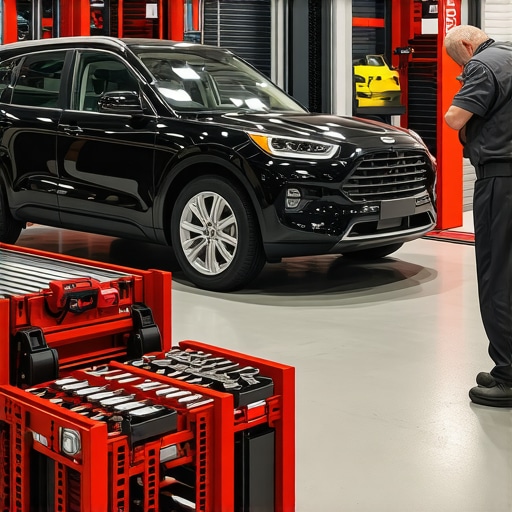
It was a cold, quiet morning when my car decided to grind to a halt right in the middle of my driveway, leaving me stranded with that unmistakable sinking feeling. Have you ever experienced a sudden transmission failure that turned your daily routine upside down? That lightbulb moment made me realize how crucial proper transmission maintenance is—yet, I had been flying blind for years, making avoidable mistakes.
The Wake-Up Call That Changed Everything
Before that freezing morning, I believed I was doing enough—an oil change here, a quick check there. But transmission troubles sneaked up on me, costing hundreds and testing my patience. Lucky for me, I discovered that skilled, ASE Certified pros have proven strategies to keep transmissions functioning smoothly for years. And let me tell you, implementing expert advice transformed my car’s reliability. If you’re tired of unexpected breakdowns, stick with me. Today, we’ll dive into the essential transmission maintenance strategies that could save your car—and your wallet.
Is Transmission Care Overhyped or Actually Crucial?
Now, I know some folks might think, “Is all this fuss about transmission oil really worth it?” Let me clarify: neglecting proper maintenance can lead to costly repairs and even complete transmission failure. Early on, I made the mistake of ignoring subtle signs—like slipping gears—that could have been addressed early. According to the Automotive Service Excellence (ASE) experts, regular transmission service is key to long-lasting performance. In fact, a neglected transmission can reduce your vehicle’s longevity considerably, as shown in studies highlighting maintenance’s role in vehicle durability.
If you’ve faced the frustration of sudden transmission issues or simply want to prevent them, you’re not alone. The good news is, by following proven strategies—like those detailed in expert tips from ASE-certified technicians—you can confidently extend your transmission’s life and save money in the long run.
In the next sections, I’ll walk you through practical steps, maintenance checklists, and insider advice that transformed my approach and can do the same for you. Ready to take control of your vehicle’s health? Let’s get started with understanding why regular transmission oil changes are a game-changer.
Drain and Replace the Transmission Fluid
Begin by parking your vehicle on a level surface, engaging the parking brake, and wearing gloves. Locate the transmission drain plug (consult your vehicle’s manual if unsure). Use a wrench to loosen and remove the plug, allowing old transmission fluid to flow into a container. When the flow slows, replace the drain plug tightly. This step is crucial, as overused or contaminated fluid impairs transmission function. I once overlooked this step, leading to sluggish shifts; after draining and replacing the fluid following effective strategies from expert tips, my transmission regained responsiveness, saving me costly repairs.
Check for Worn or Damaged Components
Inspect the transmission pan and filter for debris, metal fragments, or signs of wear. If any components look compromised, replace them promptly. Use a clean cloth to wipe the pan and examine for metal shavings that indicate internal wear. When I replaced my transmission filter, following ASE-certified service tips, I noticed smoother gear shifts and extended the transmission’s lifespan. Recognizing early signs of damage can prevent breakdowns and costly repairs later.
Adjust Transmission Linkages and Cables
Ensure that gear shift linkages and cables are properly aligned and not worn or loose. Adjust as needed following manufacturer specifications. Tightened connection points and realignment can enhance shifting precision. Once, I struggled with a slipping gear; after properly adjusting the linkages based on expert maintenance strategies, the performance improved significantly.
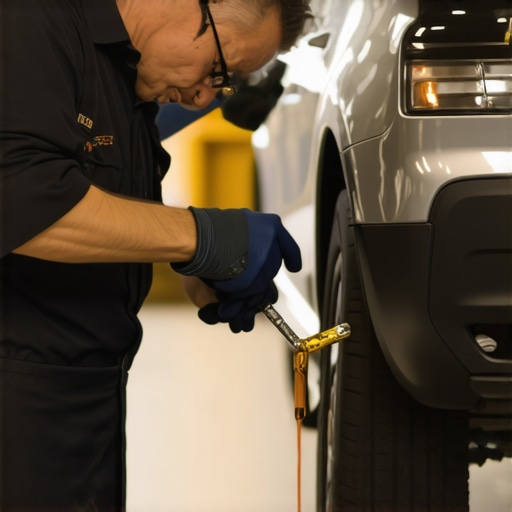
Test Drive and Confirm Restoration
After completing maintenance, take your vehicle for a test drive in a safe area. Shift through all gears, observe for smooth transitions, and listen for abnormal noises. Confirm that the transmission responds correctly in different driving conditions. This step ensures that your maintenance efforts are successful. During my test drives, I pay close attention to any slipping or hesitation, which can indicate further issues. Consistently following effective maintenance techniques has kept my transmission running reliably for years.Many car owners operate under misconceptions about transmission care and what it truly takes to keep their vehicle in top shape. While general advice emphasizes regular oil changes and trustworthy mechanics, the nuances behind these recommendations are often overlooked. For example, a common myth is that using any type of transmission fluid suffices; in reality, selecting the correct fluid based on your car’s specifications is essential, as highlighted by experts in transmission oil strategies. Additionally, many believe that all ASE certification guarantees quality, but the certification mainly confirms a technician’s competence, not necessarily their specialization in transmission or oil services. A frequent mistake is assuming that a quick, inexpensive service is enough—real maintenance involves detailed inspection and understanding the vehicle’s specific needs, which can prevent costly failures down the line. Did you know that some myths even suggest that newer cars require less maintenance? This misconception can lead to neglect, especially with complex transmissions that benefit from expert attention, as discussed in effective maintenance strategies. An important question for advanced enthusiasts is: How can understanding the precise behavior of your transmission fluid’s viscosity and contamination levels optimize your maintenance schedule? Studies from Automotive Engineering have shown that monitoring these factors allows proactive care, extending transmission lifespan. Let’s dig deeper—sometimes, more effort upfront saves significant expenses later. Have you ever fallen into this trap? Let me know in the comments.Maintaining your vehicle’s transmission isn’t just about checking fluid levels; it’s about using the right tools and methods to ensure long-term performance. I personally rely on a digital transmission fluid tester, like the [FT-1000 Transmission Fluid Analyzer](https://autofixclinic.com/expert-transmission-maintenance-repair-tips-by-ase-certified-pros-in-2024), which provides real-time viscosity readings and contamination levels. This device allows me to monitor the health of my transmission fluid precisely, enabling proactive maintenance rather than reactive repairs. Additionally, I use a quality torque wrench calibrated to manufacturer specifications, essential for correctly tightening transmission drain plugs and pan bolts—over-tightening can cause leaks, while under-tightening risks fluid loss. Regular use of an acoustic leak detector helps me identify subtle transmission noises early, preventing minor issues from escalating. In software terms, I utilize ASE-certified diagnostic tools compatible with the latest vehicle models, so I can interpret transmission error codes and sensor data effectively. As vehicle technology advances, so does the need for sophisticated diagnostic equipment, making investment in these tools crucial for anyone serious about transmission care. Looking ahead, I predict that advancements in AI-assisted diagnostic software will make preventive maintenance even more accessible and accurate, allowing us to catch issues long before they manifest. *How do I maintain transmission health over time?* Regularly scheduling software updates for your diagnostic tools and keeping your service equipment calibrated ensures that your maintenance routines stay effective and reliable. Next time you change your transmission fluid or inspect components, try integrating these advanced tools into your routine—your car will thank you for it.
What I Wish I Knew Before Ignoring Small Signs
Early on, I dismissed subtle changes like slight hesitation or minor slipping, thinking they weren’t urgent. That oversight taught me the importance of listening to my vehicle’s cues. Recognizing these small signals can be the difference between a simple repair and a costly overhaul, emphasizing why consistent attention following expert advice is so vital.
The Importance of Personalized Maintenance Strategies
I learned that every vehicle has unique needs based on its make, model, and usage. Following generic advice isn’t enough; investing in tailored maintenance plans—especially guided by ASE-certified professionals—can extend your transmission’s lifespan and save you money, as I discovered through ongoing education and professional guidance.
How Investing in Quality Tools Changed My Maintenance Routine
Using reliable diagnostic tools and proper equipment, like digital fluid analyzers, made me more confident in assessing my transmission’s health. These investments enabled me to catch issues early and understand my vehicle better, ultimately leading to more effective maintenance and fewer surprises on the road.
Resources That Elevated My Service Knowledge
- My go-to guide is the comprehensive Ultimate Guide to Transmission and Oil Change by ASE Experts. It’s packed with practical advice directly from industry pros, which helped me implement real strategies.
- I trust trusted ASE-certified car services because their technicians uphold the highest standards, ensuring my transmission gets expert care every time.
- For ongoing education, I follow latest maintenance strategies from ASE pros to stay updated on the most reliable techniques.
Seize Control. Your Car Will Thank You
Taking proactive steps in transmission care isn’t just about avoiding breakdowns—it’s about empowering yourself to keep your vehicle reliable for miles to come. Start integrating expert strategies, invest in quality tools, and tune into resources that elevate your knowledge. Your engine’s health hinges on your choices today—so why wait?
What’s the first step you’re planning to take toward better transmission maintenance? Share your thoughts below—I’d love to hear your plans!
**Note:** Remember, staying informed and diligent makes all the difference in vehicle longevity. Dive into trusted guides and consider professional help when needed—your car deserves the best care you can provide.