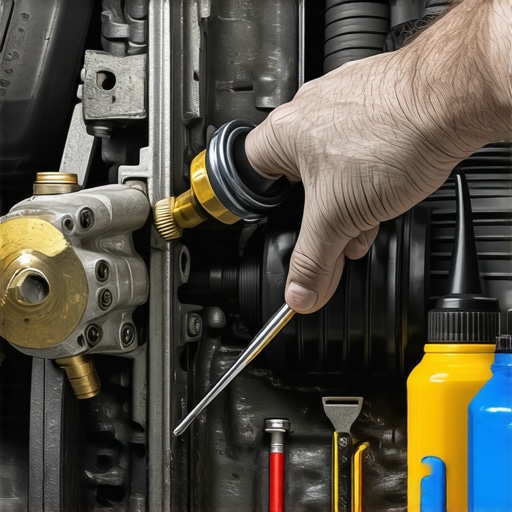
Ever been stranded on the side of the road because your transmission finally gave out, or faced the unsettling surprise of a sudden oil leak? I remember the moment I realized neglecting regular transmission and oil maintenance had almost cost me my car. It was a cold morning, and my vehicle refused to shift gears properly. That lightbulb moment spurred me to dig deep into what it really takes to keep my car reliable. Since then, I’ve learned that with the right strategies, you can dodge many costly repairs and keep your ride smooth for years to come.
Why Proper Transmission and Oil Care Matters More Than Ever in 2024
In 2024, vehicle technology is advancing rapidly, but the fundamentals of maintenance remain unchanged. Ignoring your transmission or delaying oil changes can lead to severe damage, costly repairs, and even safety risks. According to ASE-certified experts, regular maintenance isn’t just about keeping your car shiny; it’s about ensuring safety, fuel efficiency, and long-term reliability. Skipping or delaying these essential services is one of the most common mistakes I see among car owners, often resulting in preventable breakdowns. Trust me, I’ve been there — and I don’t want you to learn the hard way like I did.
Have you ever ignored a small transmission slipping or a tiny oil leak, only to face a major repair later? If so, you know how costly and stressful it can be. But here’s the good news: with a little knowledge and some proactive steps, you can avoid these pitfalls entirely.
Today, I want to share the exact strategies I’ve adopted — from expert advice to simple habits that can extend your vehicle’s lifespan. Whether you’re a seasoned car enthusiast or just want to keep your daily driver running smoothly, understanding the basics of transmission and oil maintenance is crucial. For comprehensive guidance, I recommend checking out expert transmission maintenance advice and oil change strategies from ASE-certified pros. These resources helped me pinpoint what really works and what’s just hype.
So, if you’ve ever wondered whether you’re doing enough to protect your vehicle’s transmission and engine, stick around. I’ll guide you through practical, proven steps that keep your car performing at its best — without breaking the bank or losing sleep over unexpected breakdowns.
Prioritize Regular Inspection of Transmission Fluid
Start by checking your transmission fluid monthly. Find the transmission dipstick, usually labeled, and ensure the fluid level is within the recommended range. Use the dipstick to assess fluid color and smell; it should be red and odorless. If it’s dark or smells burnt, plan a transmission fluid change. During my first attempt, I used a clean funnel and a turkey baster to extract a sample, which helped me decide to schedule a professional flush before it became a problem. Consistent checks prevent minor issues from escalating.
Adopt a Consistent Oil Change Routine
Follow your vehicle’s manual for oil change intervals—typically every 5,000 to 7,500 miles. Use quality oil, preferably synthetic, for better lubrication and longevity. During a recent road trip, I kept a log and changed my oil precisely at the recommended interval. This simple habit kept my engine running smoothly and avoided costly repairs. Remember, clean oil reduces engine friction and prevents sludge buildup, which can impair transmission performance indirectly.
Choose the Right Fluids and Filters
Use manufacturer-approved transmission fluids and filters. Upgrading to high-quality filters ensures contaminants don’t circulate and damage your transmission. When I replaced my filter, I carefully matched the part number and used a torque wrench to tighten the pan bolts uniformly. Proper fluid and filter selection extend transmission life and improve shifting performance. For detailed guidance, check out expert transmission maintenance advice.
Practice Scheduled Maintenance and Professional Service
Stick to a maintenance schedule based on your vehicle’s usage and conditions. Have a trusted ASE-certified technician perform periodic inspections and fluid replacements. I once neglected a scheduled service and ended up with a slipping transmission. After visiting a trusted shop, I learned that regular professional checkups catch issues early. For long-term reliability, don’t skip these appointments. You can find reliable local services at trusted ASE-certified car services.
Monitor for Warning Signs and Respond Quickly
Pay attention to shifting delays, unusual noises, or fluid leaks. If you notice any irregularities, address them immediately with a qualified mechanic. Early intervention saves money and prevents breakdowns. I once ignored a small oil leak, which worsened and caused transmission damage. Prompt repairs avoided a complete transmission overhaul. Remember, proactive maintenance is your best defense against costly repairs in 2024.
Utilize Resources for Optimal Maintenance
Leverage expert advice and recommended strategies from reputable sources. The Ultimate Guide to Transmission Repair and Maintenance offers comprehensive insights. Staying informed helps you make better decisions and maintain your vehicle efficiently. Applying these core techniques ensures your transmission and oil stay in top shape, keeping you safe and saving money over the years.
Many car owners operate under misconceptions that can lead to costly mistakes. Let’s dig deeper into some of the most persistent myths and reveal the truth behind them, so you can avoid falling into these pitfalls. First, a widespread belief is that transmission fluid never needs changing once it’s filled during manufacturing. In reality, even sealed transmissions benefit from regular fluid checks and changes, especially in high-mileage vehicles or those subjected to demanding driving conditions. According to ASE-certified experts, neglecting this can cause fluid degradation, leading to poor shifting performance and eventual transmission failure.
Another common myth is that synthetic oils are only necessary for high-performance cars. This isn’t true; synthetic oils offer superior lubrication, temperature stability, and engine cleanliness across all vehicle types. Proper oil choice, paired with timely changes, significantly extends your engine’s lifespan and indirectly benefits your transmission by maintaining optimal engine operation. For advanced strategies on oil management, check out oil change strategies from ASE professionals.
Why do many still believe that ignoring minor leaks won’t cause harm?
This is a critical misconception. Small leaks might seem insignificant, but they often indicate underlying issues that, if ignored, can escalate rapidly. For example, a tiny transmission fluid leak can lead to low fluid levels, resulting in increased wear and overheating. This can trigger a costly chain reaction, culminating in a complete transmission rebuild. Regular inspections catch these problems early, saving money and hassle. Remember, early detection is key to maintaining long-term vehicle health. For detailed inspection tips, visit trusted ASE-certified car service tips.
Finally, a nuanced point often overlooked is that not all transmission fluids are interchangeable. Using the wrong type can cause corrosion and damage. Always adhere to your manufacturer’s specifications, which you can verify through your vehicle manual or trusted sources like expert maintenance advice. The right fluid maintains proper lubrication and prevents unnecessary wear, especially in modern transmissions with complex control systems.
In conclusion, understanding these hidden nuances can dramatically improve your vehicle’s longevity. Don’t fall for the myths that lead to neglect—regular checks, using the correct fluids, and responding promptly to leaks are your best strategies. Have you ever fallen into this trap? Let me know in the comments!
Maintaining your vehicle’s transmission and engine oil over time requires more than just basic checks; it demands the right tools and techniques to ensure optimal performance and longevity. As someone who has spent years working on cars, I can attest that investing in specific high-quality equipment makes all the difference. Not only do these tools streamline the maintenance process, but they also help prevent costly mistakes that could lead to future breakdowns.
Why Invest in a Quality Transmission Fluid Extraction Pump
One of my go-to tools is a reliable transmission fluid extraction pump. Unlike traditional methods that require dropping the transmission pan, a good pump allows me to extract old fluid cleanly and efficiently through the fill port. I personally prefer models with a clear hose and a built-in gauge, which helps me monitor the fluid level precisely. This tool has saved me hours and minimized mess during fluid changes. For long-term results, I recommend pairing it with a high-quality funnel designed for transmission fills to avoid spills and ensure the correct fluid volume. Keep in mind that using the right extraction method can extend the life of your transmission by maintaining proper fluid levels and quality. For detailed guidance, check out expert transmission oil change strategies.
Using a Digital Oil Tester for Accurate Oil Condition Monitoring
Another tool I find invaluable is a digital oil test kit. These devices analyze oil samples on the spot, giving me immediate feedback on viscosity, contamination levels, and whether the oil needs changing. I’ve used mine to confirm that synthetic oils last longer and perform better, especially in high-mileage vehicles. With precise data, I can schedule oil changes more accurately, avoiding premature or delayed service. As technology advances, I predict that these testers will become even more sophisticated, integrating with vehicle diagnostics for real-time monitoring. This integration will make it easier to keep your engine and transmission in top shape without guesswork.
Why a Torque Wrench is a Must-Have for DIY Maintenance
Proper torque is critical when replacing filters, drain plugs, or transmission pans. A quality torque wrench ensures I apply the exact tightness recommended by the manufacturer, preventing over-tightening or under-tightening. I personally use a digital torque wrench with preset values, which simplifies the process and reduces the risk of damage. This tool is essential for maintaining the integrity of seals and threads, ultimately prolonging component life. For peace of mind and consistent results, I highly recommend investing in a reliable torque wrench—especially if you plan to do regular maintenance yourself. For expert advice, visit top ASE-certified car service tips.
How do I maintain these tools over time?
To ensure longevity, I always clean my tools thoroughly after each use and store them in a dry, organized toolbox. Regular calibration of precision tools like torque wrenches is vital—many manufacturers recommend calibration every 1-2 years. Additionally, replacing hoses or seals on extraction pumps periodically prevents leaks and ensures accurate operation. As technology evolves, I believe we’ll see more automated tools that self-calibrate and provide real-time maintenance alerts, further simplifying vehicle upkeep. In the meantime, proper care and calibration are your best bets for keeping these tools effective for years to come.
Don’t overlook the importance of adopting these tools into your maintenance routine. They not only save time and money but also give you confidence in the quality of your work. I encourage you to try out a digital oil tester or a high-quality extraction pump—these small investments can make a big difference in your vehicle’s long-term health. For a comprehensive list of expert-recommended tools, check out this detailed guide.
What I Wish I Knew When I Started Caring for My Transmission
- The Hardest Lesson I Learned About Transmission Care was that neglecting small leaks can lead to complete transmission failure. Catching leaks early with regular inspections saved me thousands of dollars.
- My biggest lightbulb moment was realizing that using the wrong transmission fluid can cause corrosion. Always follow your manufacturer’s specifications for fluids to keep your transmission healthy.
- It took me too long to understand that synthetic oils aren’t just for high-performance cars; they provide better lubrication and longevity for all vehicles, especially in demanding conditions.
- Regularly checking and maintaining transmission fluid levels through the correct tools can extend your vehicle’s lifespan vastly. I now swear by a reliable extraction pump for quick, clean fluid changes.
- Listening to your vehicle’s warning signs, like unusual noises or shifting issues, can prevent costly repairs if addressed promptly with professional help.
My Essential Toolkit for Transmission and Oil Upkeep
- High-Quality Transmission Fluid Extraction Pump — I trust this for quick, mess-free fluid changes that keep my transmission in top shape. It saves me hours and prevents leaks.
- Digital Oil Test Kit — This tool gives immediate feedback on oil condition, helping me schedule timely oil changes and avoid engine sludge.
- Reliable Torque Wrench — Proper tightening of filters and drain plugs is crucial. My digital wrench ensures I follow manufacturer specs without guesswork.
- Reputable Sources for Expert Advice — I recommend this guide for comprehensive maintenance strategies and staying informed about the latest best practices.
- Consistent Maintenance Schedule — Following your vehicle’s manual and consulting trusted ASE-certified technicians can prevent many issues before they start.
Embrace the Future of Vehicle Care Today
Taking control of your transmission and oil health in 2024 is about more than just routine checks — it’s about making informed decisions, investing in the right tools, and staying vigilant for early warning signs. These lessons and resources have transformed my approach, saving me money and stress. Now, it’s your turn to take charge and preserve your vehicle’s performance for years to come.
Have you ever struggled with a transmission issue or delayed an oil change? Share your experience below and let’s learn from each other’s journeys to better car care!

Diana Carter
This post really hit home for me, especially the part about regular inspections of transmission fluid and using the proper tools. I’ve learned from my own experience that neglecting small issues like tiny leaks can escalate quickly and lead to costly repairs. Once, I ignored a minor oil leak, thinking it wasn’t a big deal, only to find out it had caused some damage to the transmission that was expensive to fix. The tools mentioned, like a digital oil tester and a good torque wrench, are game-changers for DIY enthusiasts. I’ve started using a torque wrench for all my filter replacements, and it makes a huge difference in ensuring everything seals correctly. I wonder, for those who do their own maintenance, what’s been your biggest challenge in maintaining proper fluid levels and what tools have you found most helpful? It’s clear that staying proactive with these habits can save both money and stress in the long run.
James Arnold
This article really underscores how vital proactive maintenance is, especially in today’s high-tech vehicles where small issues can snowball quickly. I agree that regular checks and proper tools make a huge difference. A point I’d like to add is the importance of keeping a detailed maintenance log—not just for transmission and oil changes but for all fluids and inspections. I’ve found that tracking these details helps catch patterns or recurring problems early. Also, I’ve had success with a hydraulic lift in my garage, which gives better access when doing fluid changes myself—much easier than working under a cramped car. Have others found any specific tools or techniques that have made DIY maintenance safer and more effective? I’d be interested in hearing suggestions from those who’ve been doing their own repairs for a while.