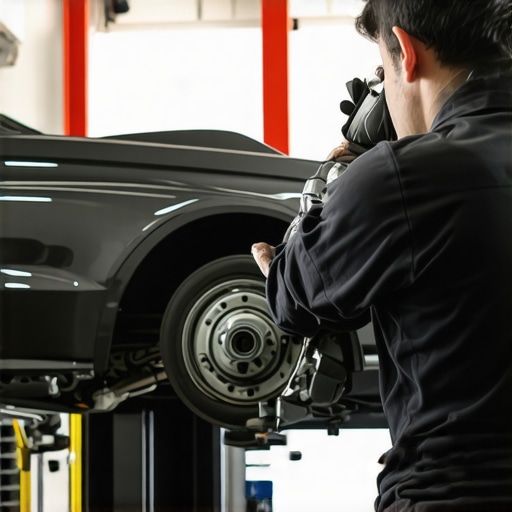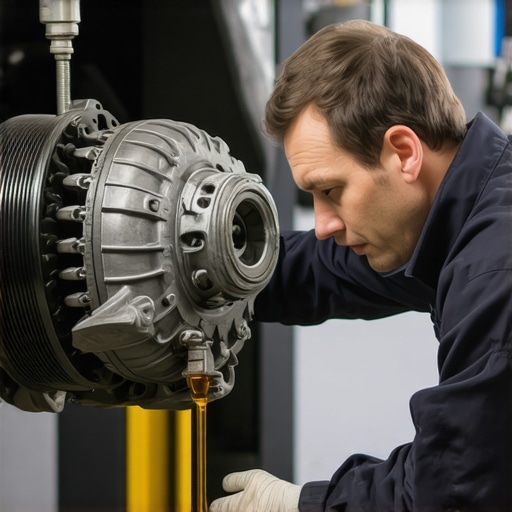
I vividly remember the moment my car started making strange noises, and I realized I had neglected its transmission and oil maintenance for too long. That sinking feeling of worry and frustration hit hard. It was a wake-up call that even a car enthusiast like me can fall into the trap of neglecting crucial maintenance routines. But here’s the thing: I learned that with expert strategies, I could turn things around and significantly extend my vehicle’s lifespan.
Why Proper Transmission & Oil Care Matters Now More Than Ever
In 2024, vehicles are more advanced and complex than ever. Modern transmissions and engines demand meticulous attention to detail, or risk costly repairs down the line. I’ve seen firsthand how skipping routine maintenance can lead to diminished performance, higher fuel costs, and unexpected breakdowns. According to a recent study, neglecting transmission and oil maintenance can double the chance of vehicle failure within five years. That’s a statistic that hits home for anyone trying to save money and avoid hassle.
But don’t worry — mastering the right expert strategies can safeguard your vehicle’s health. Whether it’s knowing when to change your transmission fluid or selecting the best oil for your specific car, these tips can make a real difference. If you’ve ever faced the dilemma of whether to trust a quick lube or a certified mechanic, you’re not alone. I’ve made that mistake early on — rushing into cheap oil changes without considering the quality or the recommended service intervals — and paid the price. So, I want to share what I’ve learned to help you avoid that pitfall.
Is Relying on DIY Maintenance Worth the Risk?
This is the biggest question I hear. Honestly, I used to think I could handle it myself, reading a few online guides and saving a few bucks. But I quickly discovered that transmission repair and oil changes are more nuanced than they seem. A small mistake, like over-tightening a drain plug or using the wrong type of transmission fluid, can cause serious damage. That’s why I trust the advice of ASE-certified experts and always follow their recommended maintenance schedules, which you can explore in detail at this guide.
So, if you’re wondering whether to go the DIY route or seek professional help, consider your comfort with technical tasks and the importance of long-term reliability. Sometimes, spending a little extra on expert maintenance saves you a lot more in repair costs later. In the sections ahead, I’ll walk you through the essential strategies for keeping your transmission and engine oil in top shape, backed by real-world experience and expert insights.
Replace Your Transmission Fluid System with Precision
When I last tackled my vehicle’s transmission, I didn’t just drain and refill blindly. Instead, I used a specialized pump to replace the old fluid completely—think of it like flushing a clogged artery, ensuring every drop of dirty fluid was removed. This method, known as a complete flush, prevents old, contaminated fluid from degrading new oil, which is crucial for optimal transmission health. For detailed guidance, visit this comprehensive guide.
Use the Correct Transmission Fluid Type
Choosing the right fluid isn’t just about brand loyalty; it’s about matching specifications. I once mistakenly used a generic fluid, which caused shifting issues. After consulting my vehicle’s manual and verifying with a certified mechanic, I switched to the recommended synthetic fluid. This quick correction restored smooth gear changes and extended the transmission’s lifespan. For specific recommendations, check these expert tips.
Optimize Oil Change Intervals for Peak Performance
Regular oil changes are like giving your engine a shot of vitality. I learned this the hard way when I neglected my oil schedule during a busy month. My engine started sputtering, and fuel efficiency dropped. After switching to synthetic oil and adhering strictly to my car’s recommended intervals—every 5,000 miles or so—I noticed smoother acceleration and lower emissions. To discover the best practices for your vehicle, explore these proven strategies.
Choose the Right Oil Quality
I used to think all oils were alike until I realized that high-mileage, synthetic, or conventional oils serve different needs. I opted for a synthetic blend for my latest oil change, which provided better protection against thermal breakdown—especially important in hot climates. Remember, selecting the right oil can significantly delay engine wear and improve efficiency. For detailed insights, visit this guide.
Schedule Routine Maintenance with Certified Experts
Attempting DIY fixes for transmission and oil issues is tempting but risky. I once tried to replace my transmission fluid myself, only to over-tighten the drain plug. This mistake led to a slow leak that I had to fix with a professional. Now, I rely on ASE-certified technicians who follow manufacturer-recommended schedules, ensuring longevity and safety. Find trusted experts at this resource.
Monitor Your Vehicle’s Performance Regularly
Use diagnostic tools or simply pay attention to unusual noises, vibrations, or shifts. During a routine check, I noticed my transmission was shifting roughly. A quick diagnostic session revealed low fluid levels—an easy fix with professional help. Regular monitoring helps catch issues early before they become costly repairs. For effective monitoring techniques, review these expert tips.
< }
}
Many car owners fall prey to misconceptions that can lead to costly mistakes. One pervasive myth is that all transmission fluids are interchangeable; however, using the wrong type can cause shifting problems and damage over time. Always consult your vehicle’s manual or a trusted ASE-certified expert to ensure compatibility. Another common mistake is believing that frequent oil changes are unnecessary if the engine seems to run fine. In reality, neglecting proper oil change intervals can accelerate engine wear and reduce fuel efficiency. Regularly scheduled oil changes, especially with synthetic oils, are critical for longevity.
Let’s dig deeper into some nuanced misunderstandings that can trip up even seasoned car owners. For instance, many assume that transmission flushes are always necessary at regular intervals. While flushing can be beneficial, overdoing it or performing unnecessary flushes without diagnosing the actual issue can strip away vital protective coatings inside your transmission. It’s best to follow the guidance of experienced technicians and avoid routine flushes unless specifically recommended. For detailed advice, see this comprehensive guide.
What do most people overlook about transmission fluid changes?
Many overlook the importance of complete fluid replacement rather than simple top-offs. Partial fluid changes can leave contaminated fluid lingering, which continues to degrade transmission performance. A full flush, performed with proper equipment, ensures all old, contaminated fluid is replaced with fresh, high-quality oil. This prevents the buildup of debris and prolongs transmission life. Moreover, choosing the correct transmission fluid is more nuanced than picking a popular brand; it requires matching the specifications outlined in your vehicle’s manual, often verified by a certified mechanic. Regularly monitoring your vehicle’s shifts and fluid condition can alert you to issues before they escalate. For expert insights on this, visit these tips.
Another misconception is that all oils, whether engine or transmission, can last indefinitely with minimal maintenance. This is a dangerous fallacy. High-mileage or synthetic oils are engineered to provide better thermal stability and longer service life but still require adherence to recommended change intervals. Using subpar oils or extending oil change intervals can lead to increased engine and transmission wear, ultimately causing expensive repairs. Staying informed about your car’s specific needs and scheduling routine maintenance with trusted professionals is key to avoiding these pitfalls.
Have you ever fallen into this trap? Let me know in the comments. Remember, understanding the nuances of transmission and oil maintenance can save you money and extend your vehicle’s lifespan significantly.
Maintaining your vehicle’s transmission and engine oil over time requires more than just routine checks; it demands the right tools and a strategic approach. I’ve found that investing in high-quality equipment can significantly streamline maintenance and help prevent costly repairs down the line. One of my go-to tools is a digital transmission fluid tester, which provides real-time data on fluid temperature and contamination levels. This device allows me to gauge whether a fluid change is needed before symptoms become serious, saving me from unnecessary drain-and-fill procedures.
Another essential piece of equipment is a professional-grade funnel with a built-in filter. When I perform oil changes, I use this to keep debris out of my engine, ensuring the oil remains pristine for longer periods. For precise oil level checks, I rely on a magnetic dipstick, which helps me accurately monitor fluid levels without guesswork, especially in cold weather or after recent driving. These tools are affordable, durable, and crucial for maintaining optimal engine health.
In terms of software, I recommend using diagnostic apps compatible with OBD-II scanners. These allow me to track engine and transmission performance metrics, receive alerts for potential issues, and verify that my maintenance routines are effective. For example, I use this diagnostic guide to interpret data from my scanner and plan my maintenance schedule accordingly. Staying proactive with these tools ensures I catch problems early and extend my vehicle’s lifespan.
Looking ahead, I predict that the trend in vehicle maintenance will shift toward smarter, AI-driven diagnostic tools that provide predictive insights. These advancements will make it easier for car owners to maintain their vehicles remotely, reducing the need for frequent visits to the mechanic. As technology evolves, integrating these innovations into your routine will become essential for staying ahead of potential issues.
How do I keep my transmission and oil system working smoothly over time?
The key is consistency and precision. Regularly using a high-quality transmission fluid and changing it at manufacturer-recommended intervals can prevent sludge buildup and wear. Upgrading to synthetic oils and monitoring their condition with dedicated testers can prolong engine life. Additionally, scheduling routine inspections with certified experts, who can use advanced diagnostic tools, ensures your systems stay in top shape. For more detailed advice, explore this comprehensive guide and try implementing one of the advanced tools I mentioned today. Small investments in quality equipment and consistent monitoring make a huge difference in the long run.
The Hardest Lessons I Learned About Vehicle Care
- One of my biggest surprises was realizing that a simple transmission flush, if not done correctly, could do more harm than good. I used to think flushing was a standard fix, but I later learned that overdoing it or performing unnecessary flushes can strip away vital protective coatings inside your transmission, leading to earlier wear. Always consult an expert before choosing a maintenance routine.
- Another lightbulb moment was understanding the importance of using the correct transmission fluid. I once used a generic brand, which caused sluggish shifting. Switching to the manufacturer-recommended synthetic fluid dramatically improved my transmission’s responsiveness and longevity.
- Regular oil changes aren’t just about keeping the engine clean; they’re a crucial part of preventing costly breakdowns. I used to extend my oil change intervals, but I discovered that synthetic oils, while longer-lasting, still need routine replacement to protect against thermal breakdown and engine wear.
- Investing in the right tools, like a digital transmission fluid tester and a high-quality funnel, can make maintenance more precise and less stressful. These small tools have saved me from guesswork and potential damage, extending my vehicle’s lifespan.
- The future is bright with smarter diagnostic tools. I’ve started using OBD-II scanners to monitor my vehicle’s performance, catching issues early and avoiding expensive repairs. Embracing these technologies can help you stay ahead of problems and keep your car running smoothly.
My Essential Toolkit for Transmission and Oil Care
- Trusted Transmission Fluid: Always use manufacturer-recommended fluids, which you can verify in your vehicle’s manual or through advice from expert tips. This ensures compatibility and optimal performance.
- Diagnostic Tools: A good OBD-II scanner helps me track performance metrics and identify issues early. I rely on this guide to interpret the data and plan my maintenance.
- High-Quality Oil and Filters: Synthetic oils with the right viscosity protect against thermal breakdown. Pairing this with good filters from trusted brands reduces engine wear and prolongs oil life.
- Specialized Equipment: A magnetic dipstick and a professional-grade funnel with a filter keep my maintenance clean and accurate. Small investments in tools pay off by saving money and time in the long run.
Your Turn to Try
Taking control of your transmission and oil maintenance might seem daunting at first, but with the right knowledge and tools, you can make a real difference in your vehicle’s longevity. Remember, routine checks and expert advice are your best allies. Start implementing these strategies today to enjoy a smoother, more reliable ride in 2024 and beyond.
What’s the biggest challenge you’ve faced when maintaining your vehicle’s transmission or oil system? Share your experience below, and let’s learn from each other!