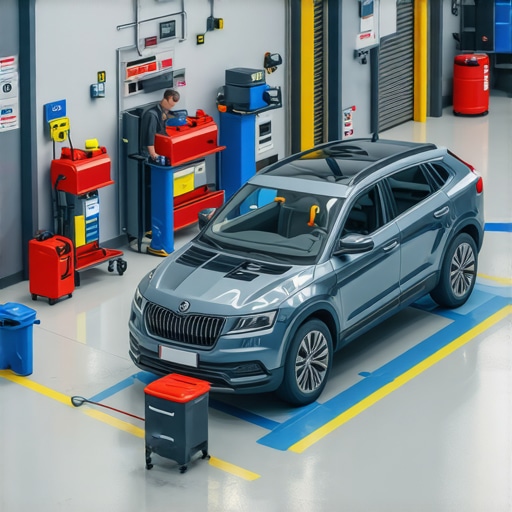
Ever had that sinking feeling when your car starts making weird noises or, worse, refuses to start on a chilly morning? I remember this one winter, my old sedan sputtered and stalled right outside my driveway. It was a wake-up call. That moment made me realize how crucial proper car maintenance really is—especially as we head into 2024 with more advanced vehicles and higher expectations for reliability.
Why Proper Car Maintenance Matters More Than Ever in 2024
With cars becoming smarter and more complex, neglecting routine service can lead to costly repairs down the line. Regular oil changes, transmission checks, and other essential services are the backbone of keeping your vehicle dependable. I used to think I could stretch my oil change or ignore minor transmission issues. Big mistake. That early oversight cost me a lot more in repairs later. I learned the hard way that trusting the advice of ASE-certified technicians is the way to go, and I want to share that insight with you.
Is Skipping Routine Maintenance Worth the Risk?
Honestly, I was once skeptical about the necessity of regular oil changes—until a friend’s transmission failed because of neglect. The truth is, a lot of folks underestimate how small issues can snowball into major problems. According to experts, timely service can extend your vehicle’s lifespan and save you a fortune. If you’re wondering whether the added expense is worth it, I assure you, it is. Think of it as investing in peace of mind and your car’s longevity. For top advice on transmission care, check out this guide.
Now, let’s get into the practical steps to keep your vehicle in tip-top shape this year. We’ll cover everything from oil changes to transmission maintenance, so you can avoid the pitfalls I once fell into and keep your car running smoothly all year long. Ready to learn the secrets of reliable vehicle care? Let’s dive in!
Adjust Your Oil Regularly to Prevent Engine Damage
Think of your car’s engine as the heart of your vehicle; it needs clean blood to function smoothly. In practice, this means changing your oil every 3,000 to 5,000 miles or as recommended by your manufacturer. I once ignored my oil change schedule during a busy month, which led to engine knocking and costly repairs. When I finally scheduled a professional oil change through an ASE-certified mechanic, the difference was immediate, and my engine ran quieter and more efficiently. For detailed advice on selecting the right oil, check out this guide.
Keep Transmission Fluid Fresh for Smooth Shifts
Your transmission is like the gears in a bicycle—it needs lubrication to shift gears smoothly. Old or contaminated transmission fluid can cause slipping or rough shifts, which over time might damage the transmission entirely. During my last transmission service, I observed how a simple fluid change significantly improved driving comfort. I recommend scheduling a transmission fluid flush with an ASE-certified technician at least once every 30,000 miles. For specific fluid types and procedures, visit this resource.
Monitor Brake System for Safety
Brakes are your vehicle’s safety net. Worn brake pads or contaminated brake fluid can increase stopping distances. I experienced this firsthand when my brakes felt less responsive after a year without inspection. A quick check-up by a trusted ASE-certified mechanic revealed worn pads that needed replacing. Regular brake inspections can save lives and money. I suggest having your brake system checked every 10,000 miles or at the first sign of squealing or reduced responsiveness. Learn more about effective brake care at this page.
Inspect and Replace Belts and Hoses
Belt failure can leave you stranded. Think of belts and hoses as the arteries and veins of your engine—if they crack or break, your engine suffers. I once overlooked a serpentine belt until it snapped during a drive, causing an inconvenient breakdown. Regular visual inspections for cracks and wear can prevent this. Replace belts and hoses as per your vehicle’s maintenance schedule, usually around every 60,000 miles. For a step-by-step guide, see this detailed resource.
Maintain Tire Health for Better Fuel Efficiency
Properly inflated tires reduce rolling resistance, saving fuel and preventing blowouts. I learned this lesson when I neglected to check tire pressure before a long trip, resulting in uneven wear and lower gas mileage. Regularly check your tire pressure, ideally monthly, and rotate tires every 6,000 miles. This simple step prolongs tire life and improves safety. For expert tire maintenance tips, visit this comprehensive guide.
Many car owners operate under assumptions about maintenance that can lead to costly mistakes. Let’s dig deeper into some of the most prevalent myths and advanced nuances that often trip up even seasoned drivers. Understanding these can significantly extend your vehicle’s lifespan and optimize your maintenance routine.
Why the 3,000-Mile Oil Change Rule Might Not Always Apply
For decades, the standard advice was to change your oil every 3,000 miles. However, modern synthetic oils and advanced engine technology have shifted this paradigm. According to ASE-certified experts, many vehicles now require oil changes every 7,500 to 10,000 miles. Sticking rigidly to the old rule can lead to unnecessary expenses and environmental waste, especially if your manufacturer recommends a longer interval. The key is to follow your vehicle’s specific maintenance schedule, which considers driving conditions and oil type.
Myth: Ignoring Small Transmission Slips Won’t Hurt
Many drivers dismiss occasional transmission slipping or rough shifts, assuming they’re minor issues. But these symptoms are often early warning signs of deeper problems. Relying on a quick fix or waiting until the problem worsens can lead to complete transmission failure. Regular transmission fluid checks and timely flushes, guided by expert advice, can prevent this. It’s a common trap to think that transmission issues resolve themselves; in reality, proactive maintenance saves hundreds or thousands in repairs.
What Advanced Drivers Should Know About Brake System Nuances
Many assume that brake pads are the only wear item they need to monitor. But, in high-mileage or aggressive driving scenarios, brake fluid contamination and caliper issues are common pitfalls. Brake fluid absorbs moisture over time, reducing braking effectiveness. A little-known nuance is that even if your brake pads are fine, contaminated fluid can compromise safety. Regular brake fluid flushes, often overlooked, are essential—especially in humid climates. Experts recommend inspecting the entire brake system every 10,000 miles and not just focusing on pads. This holistic approach can prevent sudden brake failure, a risk most drivers underestimate.
Have you ever fallen into this trap? Let me know in the comments. Remember, staying informed about these advanced nuances is what separates good car care from costly neglect.
Invest in Quality Diagnostic Tools
One of the most valuable investments I made was a professional-grade OBD-II scanner. This device allows me to read engine trouble codes in real-time, helping me identify issues before they escalate. I personally prefer the FIXD OBD-II scanner because of its user-friendly interface and comprehensive app integration, which provides detailed diagnostics and maintenance reminders. As vehicles become more complex, having a reliable scanner ensures you stay ahead of potential problems, saving both time and money.
Keep Tools Organized for Efficiency
Maintaining a well-organized toolbox is crucial for quick access and effective repairs. I use a sturdy, labeled toolbox with dedicated compartments for wrenches, screwdrivers, pliers, and specialty tools. This setup minimizes frustration and reduces the risk of missing or damaging tools during maintenance. For larger projects, I recommend a rolling cart with drawers—making it easier to transport tools to your garage or driveway. Consistent organization is a long-term strategy that pays off when unexpected issues arise.
Use Software to Track Maintenance History
Managing your vehicle’s maintenance schedule becomes easier with software solutions like Auto Maintenance Tracker. I rely on this app to log oil changes, fluid flushes, and inspections, ensuring I don’t miss critical service intervals. Modern vehicles often require precise maintenance at specific mileage points, and digital records help you stay compliant. Looking ahead, I believe AI-powered maintenance apps will become more intelligent, providing predictive alerts based on driving habits and sensor data, which will revolutionize car care.
How do I maintain tools over time?
Proper maintenance of your tools extends their lifespan and ensures reliability. I regularly clean my tools after each project, especially those exposed to grime or corrosive substances. Lubricating moving parts and storing tools in a dry, climate-controlled environment prevents rust and deterioration. For power tools, I follow the manufacturer’s instructions for battery care and calibration. Investing in quality tools and maintaining them diligently means fewer replacements and smoother repairs in the future.
The Future of Vehicle Maintenance Tools
Looking forward, the integration of IoT devices and AI diagnostics will make vehicle maintenance even more intuitive and proactive. Imagine your car alerting you to a transmission fluid degradation before it causes issues, thanks to embedded sensors and predictive analytics. This technological evolution will empower owners to perform more effective DIY repairs and better coordinate with professional services. To get started today, try implementing a digital maintenance log for your vehicle—this simple step already enhances your long-term care strategy.
After years of learning the hard way, I’ve uncovered some of the most overlooked lessons in car maintenance that can save you a fortune and keep your vehicle running smoothly through 2024 and beyond. These aren’t your typical tips; they’re insights gained from personal experience and expert advice that can transform how you care for your car.
What the Pros Won’t Tell You About Car Maintenance
- Don’t ignore early warning signs: Small issues like minor leaks or slight squeals are often overlooked, but they’re your car’s way of telling you something’s wrong. Addressing these early can prevent costly repairs later.
- Quality tools matter more than you think: Using cheap or worn-out tools can cause damage and lead to incomplete repairs. Investing in a good set of organized tools ensures efficiency and safety during maintenance.
- Follow the manufacturer’s schedule, not just the mileage: Modern vehicles have complex systems that require precise care. Relying solely on old rules like 3,000-mile oil changes can do more harm than good. Always check your owner’s manual or trusted ASE-certified guides.
- Know when to trust the experts: While DIY is satisfying, some tasks like transmission flushes or brake system overhauls should be handled by professionals. A little expert help can save you money and time in the long run.
- Leverage smart technology: Devices like OBD-II scanners or maintenance apps can give you real-time insights into your vehicle’s health, enabling proactive repairs instead of reactive fixes.
Tools and Resources That Changed My Approach
- ASE-certified transmission guides: These resources provide detailed, trustworthy advice that helped me understand the nuances of transmission care.
- Oil change tips from industry experts: Learning the right oils and change intervals made a noticeable difference in my engine’s performance.
- Transmission maintenance strategies: These guides broke down complex procedures into manageable steps, saving me money and frustration.
- Trusted ASE-certified service tips: Regular professional inspections identified issues I wouldn’t have noticed, ensuring safety and longevity.
Take Action and Keep Your Car in Prime Condition
Now that you know the hidden truths and have access to expert resources, it’s your turn to apply this knowledge. Car maintenance isn’t just about fixing problems; it’s about proactive care that saves money and enhances safety. Start by reviewing your current maintenance routine, invest in quality tools, and don’t hesitate to seek professional advice when needed. Your vehicle’s health depends on your commitment—make 2024 the year you become a master of your car’s care.
What’s one maintenance task you’ve been neglecting that you’re ready to tackle? Share your plans below and let’s keep each other motivated!
James Miller
Reading this article really emphasizes the importance of routine maintenance, especially with how complex modern vehicles are getting. I remember neglecting my previous car’s oil changes due to busy schedules, and it resulted in costly engine problems. Since adopting a more disciplined maintenance plan and trusting ASE-certified technicians, I’ve seen a noticeable difference in my car’s performance and longevity. One challenge I face is remembering to keep up with all the service intervals, especially as my vehicle ages. Using maintenance apps has helped me stay organized and proactive. How do others manage to keep track of all these schedules without feeling overwhelmed? I find a combination of digital tools and regular check-ins with my mechanic works best. It’s worth investing in these habits early because, as the post highlights, small issues avoided can save a lot of hassle and money down the road.