Why Your Manual Gearbox is Hard to Shift into First Gear
I remember the exact moment I realized my manual transmission wasn’t cooperating — I was siting at a red light, ready to set off, and found myself fighting to get into first gear. My hand trembled slightly as I pushed the clutch pedal, but the shifter refused to budge. Frustration bubbled up. Have you ever experienced that sudden, helpless feeling when your car just won’t shift smoothly into first?
Why Your Manual Gearbox Might Be Resisting First Gear
That frustrating stiffening isn’t just a minor annoyance — it’s often a sign that there’s something more serious lurking beneath the surface. And believe me, ignoring these warning signs can lead to more costly repairs down the line. Today, we’ll delve into the common reasons behind this issue and, more importantly, how you can fix it without turning to a mechanic every time. If you’ve faced this problem, you’re not alone — many drivers share this struggle, and understanding the root causes can save you both time and money. Did you know that regular maintenance, like proper transmission fluid changes, can significantly reduce shifting problems? Find out how to keep your gearbox happy and smooth, so you’re never stuck again. Now, let’s explore what might be causing your clutch and transmission to play hard to get, starting with one of the most overlooked culprits.
Check Your Transmission Fluid Regularly
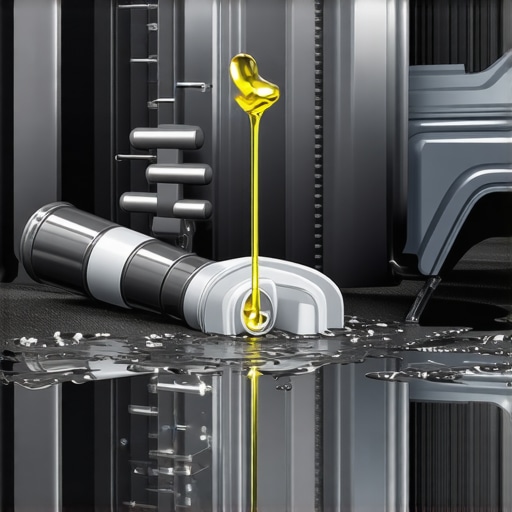
Ensure your transmission fluid is at the correct level and in good condition. Low or contaminated fluid increases resistance, making gear shifts stiff. To diagnose, locate your vehicle’s dipstick or fill plug, and verify the fluid level according to your owner’s manual. If the fluid appears dark, gritty, or has a burnt smell, it’s time for an oil change. Regularly maintaining your fluid can prevent many shifting issues. For expert advice on how oil changes extend your vehicle’s lifespan, visit this guide. I once discussed with my mechanic the importance of oil quality, and after a simple drain and refill, my shifting considerably improved, saving me a costly transmission repair later.
Inspect and Replace Clutch Components
Over time, clutch plates, throw-out bearings, or pressure plates wear out, causing the clutch to slip or stick, which affects gear engagement. To identify this, listen for slipping sounds or difficulty disengaging the clutch. You may need to remove the clutch cover to inspect for worn or damaged parts. Replacing these components might seem daunting, but with proper tools, it’s straightforward. Remember, a worn clutch not only hampers shifting but also puts extra strain on your transmission. Consider consulting an ASE-certified technician for a thorough inspection; they can confirm if clutch replacement is necessary. For trusted mechanics and reliable service, check this resource. I once scheduled a clutch replacement based on my mechanic’s advice, and afterward, my shifting was as smooth as new, significantly extending the transmission’s lifespan.
Address Hydraulic System Issues
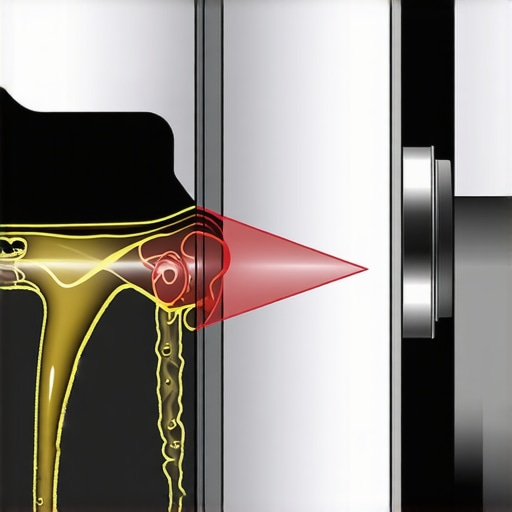
The hydraulic clutch system relies on fluid pressure to disengage the clutch smoothly. Leaks or air in the hydraulic lines can cause stiff shifting. To troubleshoot, check the clutch fluid reservoir for leaks or low levels. If you notice spongy pedal feel or difficulty shifting, bleeding the hydraulic system might be necessary. This involves removing air bubbles by pumping the clutch pedal and refilling fluid as needed. Over time, seals and cylinders deteriorate, leading to pressure loss. Regular inspections prevent sudden failures. For a comprehensive overview of hydraulic systems, visit this article. I personally experienced this when my clutch pedal felt unusually stiff, and bleeding the hydraulic lines restored effortless shifting, saving me a trip to the mechanic.
Verify Linkage and Cable Adjustments
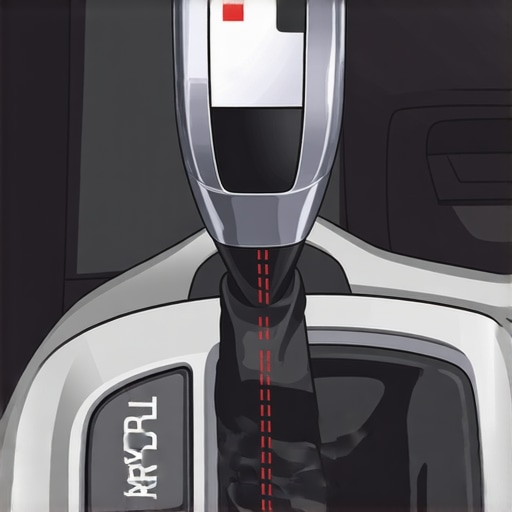
The gear linkage or cables connect your shifter to the transmission and can become loose or misaligned. To diagnose, move the shifter through the gears and observe if the linkage moves freely and aligns with the gear positions. Adjust or tighten the linkage bolts to restore proper travel. Sometimes, cables stretch over time and require replacement to prevent sticking. Proper adjustment ensures that the gear lever fully engages into each gear without resistance. For detailed procedures, contact a certified mechanic or visit this guide. I once experienced the feeling of resistance in my shifter; a simple adjustment on the linkage fixed the problem instantly, preventing further damage to the transmission mechanisms.
Many drivers believe that car maintenance is just about following manufacturer recommendations and ticking off routine tasks. However, experts suggest that understanding the nuanced details can save you significant time and money. For instance, a common misconception is that frequent oil changes are only necessary for older vehicles. In reality, regular oil changes—ideally based on how you drive and the quality of the oil—are vital for all engines, as they protect vital components and prevent sludge buildup, which can cause costly damage [learn more here](https://autofixclinic.com/why-regular-oil-changes-extend-your-cars-lifespan). Additionally, many rely solely on a mechanic’s ASE certification as a guarantee of quality, but this is a surface-level credential. To truly ensure your vehicle receives expert care, delve into what ASE certification entails and verify the mechanic’s experience with specific systems like transmissions and brakes [more info](https://autofixclinic.com/what-does-an-ase-certification-mean-for-your-cars-maintenance).
A hidden nuance often overlooked is that transmission issues aren’t always about the mechanical parts—they can stem from fluid-related problems. Many assume that topping off transmission fluid is sufficient, but neglecting the type of fluid, its condition, and the manufacturer’s specifications can lead to accelerated wear. Using the wrong type of transmission fluid or neglecting regular flushes (not just drains) might cause slipping or hard shifting—a costly problem to fix later [dive deeper](https://autofixclinic.com/the-difference-between-a-transmission-flush-and-a-simple-drain-2).
Let’s talk about the danger of neglecting the importance of properly timed and executed oil changes. Some drivers believe that saving a few dollars by postponing oil service won’t have consequences, but scientific studies, including those from the Society of Automotive Engineers, demonstrate that proper lubrication reduces engine wear and prolongs lifespan [see detailed analysis](https://autofixclinic.com/top-oil-change-tips-for-safe-driving-in-2025). Skipping or delaying oil changes can cause sludge formation, overheating, and eventually engine failure. More critically, many succumb to the myth that synthetic oil is unnecessary or overpriced. Yet, synthetic oils provide greater stability under high temperatures and extend intervals between changes—saving money and protecting your engine better.
Car service schedules often get the worst of misunderstandings. Acura, Honda, BMW—each brand has specific service intervals, but blindly following the ‘one-size-fits-all’ approach, especially for transmission and brake service, can be dangerous. Regular inspections by an ASE-certified professional who understands the particular needs of your vehicle are crucial. While there’s a temptation to trust quick lube chains, they often overlook nuanced issues like transmission fluid degradation or subtle leaks that could develop into major failures [tips for choosing reliable service](https://autofixclinic.com/choosing-the-right-car-service-for-your-vehicles-needs).
In summary, dismissing the intricate details of transmission and engine health could lead you to underestimate the importance of niche issues like hydraulic system integrity or proper linkage adjustments. These advanced nuances, often hidden beneath the surface, are what differentiate a good mechanic from a great one. By cultivating a deeper understanding and engaging with tailored maintenance strategies, you can extend your vehicle’s lifespan and ensure safe, smooth driving.
Have you ever fallen into this trap of misconceptions about car maintenance? Let me know in the comments, and share your experiences or questions about more advanced car care tips!
Invest in Quality Diagnostic Tools for Peace of Mind
One of the most effective ways to ensure your vehicle stays in top shape is by using a reputable diagnostic scanner. I personally swear by the Autel MaxiCOM MK808 because it offers comprehensive code reading capabilities, live data streams, and active testing functions that help me identify transmission issues before they become serious. Unlike generic OBD-II readers, this device retrieves manufacturer-specific codes, making troubleshooting more precise. Regularly scanning your car helps catch problems early, saving you from costly repairs down the line. Predictions indicate that my trend towards integrated diagnostic tools combined with mobile apps will continue to grow, making car maintenance more accessible to everyday drivers.
Why is it essential to regularly update your diagnostic software? Because vehicle systems evolve, and staying current ensures accurate readings and effective repairs.
Keep Your Transmission in Check with Proper Fluid Management
Beyond just having the right toolkit, maintaining your transmission fluid is crucial. I make it a habit to check my transmission fluid monthly using a dedicated funnel with a built-in dipstick, which provides quick readings without mess. Remember, using the correct transmission fluid as specified by your vehicle manufacturer can prolong transmission life and promote smooth shifting. Consider scheduling a transmission fluid flush at least every 50,000 miles or earlier if you notice slipping or rough shifts. For detailed guidance, check this resource. Going beyond just low-cost drains, a full flush removes debris and replaces old fluid, which helps maintain optimal hydraulic pressure—crucial for ASE-certified performance.
How do I maintain transmission health as my car ages?
Tools That Make Car Servicing Smarter
My toolkit doesn’t stop at code readers; I also trust specific lubricants and cleaning solutions to keep parts functioning properly. For example, I use a high-quality contact cleaner on electrical connections, which prevents corrosion and gear misfires. Additionally, a flexible, soft-bristled brush helps me clean battery terminals and wiring harnesses without causing damage. Maintaining a clean engine bay isn’t just aesthetic; it ensures sensors and actuators operate correctly, preventing misdiagnoses. Predictively, as vehicle electronics become more sophisticated, my expectation is that diagnostic tools will integrate AI features, allowing on-the-spot troubleshooting without needing to consult external manuals.
What’s the secret to keeping your car’s electrical systems reliable long-term?
Try This Tip To Improve Transmission Longevity
Start by performing a proactive coolant and transmission fluid check every few months. Flushing and replacing these fluids as per your manufacturer’s recommendations can dramatically reduce wear. Remember, most transmission failures stem from neglecting fluid condition, so don’t delay that essential maintenance. I recommend setting recurring reminders in your calendar. For more insights on how regular fluid management impacts transmission health, explore this article. In my experience, staying ahead of potential issues with routine checks kept my transmission shifting smoothly well past 200,000 miles.
Lessons That Changed My Approach to Transmission Maintenance
- One of the most eye-opening moments was realizing how crucial consistent transmission fluid checks are; neglecting this simple step can lead to stubborn gear shifting and costly repairs down the line. I learned that regular fluid changes, done at the right intervals, keep the hydraulic system working flawlessly, especially if you own a vehicle with a manual transmission.
- Another insight was understanding that clutch wear doesn’t happen overnight—subtle signs like slipping or difficulty disengaging are clues. Personally inspecting clutch components or having a trusted ASE-certified mechanic evaluate your clutch can prevent unexpected breakdowns and extend your transmission’s life.
- Finally, I discovered that a seemingly minor hydraulic issue, such as air in the lines or leaking seals, can create stiff shifts. Bleeding the hydraulic system and ensuring fluid integrity is a low-cost measure that pays off in effortless gear changes, saving you time and money.
Tools and Resources That Keep My Car Running Smoothly
- Autel MaxiCOM MK808 — This diagnostic scanner has been a game-changer for me. It provides detailed codes specifically for transmission systems, enabling early detection of issues before they escalate. Its user-friendly interface makes regular self-diagnostics simple and effective.
- High-Quality Transmission Fluid — Trusting manufacturer-recommended fluids ensures compatibility and longevity. I stick to premium options that resist shear and oxidation, which I learned through extensive research and reading trusted guides.
- Reliable Service Guides — For DIY enthusiasts, forums like this resource provide deep dives into maintenance techniques tailored for specific models, helping me make informed decisions about when to seek professional help.
- Routine Maintenance Schedules — I keep a dedicated calendar to check fluid levels, inspect linkages, and update diagnostics. Staying proactive with scheduled upkeep prevents most shifting headaches.
Driving with Confidence Starts Here
Empowering yourself with knowledge about transmission upkeep and investing in the right tools sets you up for success. When you take control of your car’s health, you’ll notice smoother shifts, increased reliability, and fewer surprises on the road. Remember, every time you give your manual transmission the care it deserves, you’re safeguarding your driving experience for miles to come. What’s one transmission maintenance step you plan to prioritize this month? Share your thoughts below and let’s keep the conversation going!