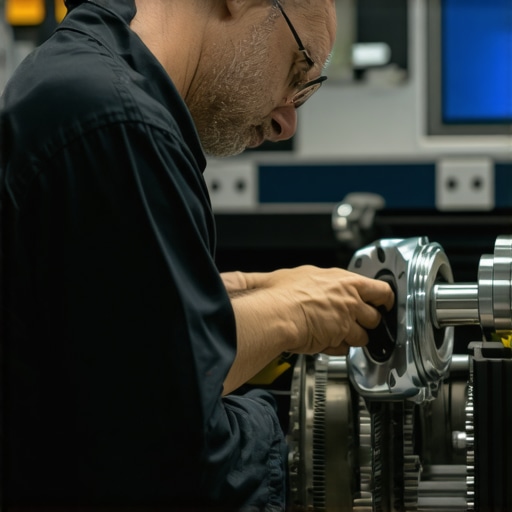
Ever had that sinking feeling when your car hesitates or stalls unexpectedly? I sure have. There was a time when I ignored my transmission’s warning signs, thinking it was just a minor hiccup. Turns out, neglecting transmission maintenance can lead to costly repairs—and nobody wants that. That lightbulb moment hit hard, and I realized just how crucial expert tips are for keeping your transmission in top shape. If you’re tired of surprise breakdowns or expensive fixes, you’re in the right place. Today, I promise to share proven strategies that will help you avoid those dreaded transmission issues in 2024. We’ll cover insider secrets from ASE-certified pros and show you how to extend your vehicle’s lifespan with simple, effective maintenance routines. Trust me, a little proactive care goes a long way, and I’ll guide you through every step.
Why Transmission Care Matters More Than Ever in 2024
With modern vehicles packed with complex technology, transmission maintenance isn’t just about fluid changes anymore. It’s about understanding your car’s unique needs and catching issues early. Did you know that according to a recent study, neglecting transmission fluid can cause damage that’s 50% more expensive to repair if caught late? That’s a staggering number. It highlights why regular check-ups and following expert advice are essential. When I first started ignoring my transmission’s warning signs, I learned the hard way—small issues can snowball into major repairs if you don’t act. That mistake taught me the importance of staying ahead with proper maintenance. For example, timely oil and fluid changes can prevent overheating and wear, saving you hundreds in the long run. If you’re wondering whether transmission maintenance is worth the effort, I can assure you it is. A well-maintained transmission not only prolongs your vehicle’s life but also ensures smooth driving experience. Curious how to start? Let’s dive into the practical tips that will make 2024 your easiest year on the road.
Is Transmission Maintenance Overhyped or Truly Necessary?
When I first heard about transmission care, I was skeptical. I thought, “Is this really worth the hype?” Honestly, I made the mistake early on of skipping routine oil changes, thinking it wouldn’t make much difference. Big mistake. That oversight led to costly repairs and a lot of frustration. It’s easy to dismiss maintenance as unnecessary, especially when your car seems fine. But the truth is, regular transmission service is a proven way to prevent breakdowns and extend your vehicle’s life. If you’re still on the fence, I recommend checking out expert advice from ASE-certified technicians. They emphasize that simple, consistent care can save you from headaches down the road. So, if you’ve faced these doubts or had a scare with your transmission, you’re not alone. The good news? You can take control with expert tips tailored for 2024. Ready to learn more? Keep reading to discover the key steps that will keep your transmission running smoothly all year long.
Change Your Transmission Fluid Regularly
Think of transmission fluid as the blood of your car. It lubricates, cools, and transmits power. I remember one time, I ignored my transmission fluid for too long, and the car started slipping gears. After a quick drain and refill, guided by expert advice, my transmission felt like new. To keep your vehicle in top shape, check your transmission fluid level monthly and change it every 30,000 to 60,000 miles, depending on your car’s manual. Use only manufacturer-recommended fluid to prevent damage. Regular fluid changes prevent overheating and wear, extending your transmission’s lifespan.
Monitor for Signs of Fluid Degradation
Dark, burnt-smelling fluid or slipping gears are red flags. If you notice these signs, don’t delay. I once detected a burnt smell while driving, and I promptly scheduled a transmission flush. This proactive step avoided a costly repair. Regularly inspecting your fluid’s condition can save you hundreds. When in doubt, consult trusted resources like ASE-certified maintenance tips to identify early warning signs.
Maintain Proper Transmission Cooler Function
Overheating is the enemy of transmissions. Think of the cooler as a radiator for your gearbox. Once, I installed an aftermarket cooler after my transmission started slipping on hot days. It made a huge difference. Ensure your cooling system is clean and functioning properly. Check the radiator and cooler lines for blockages and leaks. If you notice frequent overheating, consider upgrading your cooler or adding a transmission temperature gauge. This simple step can prevent damage caused by excessive heat, which is a leading cause of transmission failure.
Flush Your Transmission System Safely
Flushing replaces old, contaminated fluid with fresh, clean fluid. I once attempted a DIY flush, but it was messy and incomplete. Instead, I opted for professional service, guided by ASE-certified technicians. A proper flush can remove debris and prevent clogging. Do not flush your transmission without expert help if you’re unsure; improper flushing can cause more harm than good. Schedule a flush every 60,000 miles or as recommended by your vehicle’s manufacturer.
Schedule Regular Professional Inspections
Despite all these steps, nothing beats an expert eye. I make it a point to have my transmission inspected annually. Professionals use diagnostic tools to detect issues early, saving me from surprise breakdowns. Find a reputable, ASE-certified shop and follow their recommended maintenance schedule. This proactive approach ensures your transmission stays healthy and reliable for years to come.
Keep Your Transmission in Check with Expert Tips
For comprehensive guidance, explore expert transmission repair and maintenance tips. Remember, consistent care and early detection are your best tools to avoid costly repairs and keep your vehicle running smoothly through 2024 and beyond.
Many car owners believe that sticking to the basics—like changing transmission fluid regularly and avoiding aggressive driving—are enough to keep their transmissions healthy. However, even seasoned enthusiasts often get caught up in myths that can lead to costly mistakes. Let’s dig deeper into what most people get wrong about advanced transmission care, and why understanding these nuances can save you big money and headaches.
One common misconception is that transmission fluid is a one-time fill-and-forget solution. In reality, transmission fluid degrades over time, especially under high-stress conditions or in vehicles with complex dual-clutch systems. While a simple fluid change is beneficial, many overlook the importance of monitoring fluid degradation through advanced diagnostic tools. ASE-certified technicians emphasize that inspecting the fluid’s condition—not just the level—is crucial for early detection of issues that can lead to slipping gears or overheating (Learn more from experts).
Another myth is that transmission flushes are always safe and beneficial. Actually, a poorly executed flush can dislodge debris and clog delicate components, causing more harm than good. Advanced vehicles with sealed or specialized transmission systems require a precise approach. Many fail to recognize that a professional, ASE-certified flush is often the safest route—using the correct equipment and fluids. An improper flush can lead to leaks or even complete transmission failure (See expert tips here).
Why Does Transmission Overheating Persist Despite Maintenance?
Overheating is a leading cause of transmission failure, but many drivers don’t realize that external factors like climate, towing habits, or aftermarket modifications can impact cooling system effectiveness. Even with regular fluid changes, if your transmission cooler isn’t maintained or upgraded, heat can still build up, damaging internal components over time. Advanced diagnostics can measure transmission temperature in real-time, alerting you before damage occurs. This nuance often gets ignored because it requires proactive monitoring rather than reactive repairs.
Have you ever fallen into this trap? Let me know in the comments. Staying ahead with these advanced insights can make all the difference in prolonging your transmission’s lifespan and avoiding expensive repairs. Remember, expert guidance isn’t just about routine fluid changes; it’s about understanding the complex interplay of factors that influence your transmission’s health. For a comprehensive approach, explore pro tips from ASE-certified technicians and make informed decisions that keep your car running smoothly in 2024 and beyond.
Investing in Precision Tools for Longevity
When it comes to maintaining your transmission, having the right equipment makes all the difference. I personally rely on a high-quality transmission fluid pump, like the Lisle 34750 Transmission Fluid Transfer Pump, because it allows me to perform fluid changes with minimal mess and maximum control. This pump’s adjustable flow rate ensures I don’t overfill or underfill, which is crucial for preventing damage. Additionally, I use a digital transmission fluid tester to monitor the degradation of fluid over time. Regular testing helps me decide precisely when a flush is needed, avoiding unnecessary maintenance and saving money.
Leverage Diagnostic Software for Early Detection
Modern vehicles benefit immensely from diagnostic tools. I recommend the OBD2 scanner with transmission-specific modules like the Autel MaxiSys MS906. It offers real-time data on transmission temperature, gear engagement, and error codes. This software enables me to catch issues before they escalate, such as slipping clutches or overheating. As technology evolves, I predict that integrated vehicle health monitoring systems will become standard, providing automatic alerts for transmission anomalies. Staying ahead of these trends means investing in reliable diagnostic tools now, which can be upgraded or expanded as new features emerge.
Routine Maintenance Made Simple with Software
Alongside physical tools, I use maintenance management apps like Auto Maintenance Tracker. These apps remind me when fluid changes, inspections, or coolers checkups are due, based on mileage and vehicle data. They also store diagnostic history, helping me identify recurring issues. In the future, I foresee AI-powered apps that can predict failures based on driving habits and sensor data, making proactive maintenance even more effective. For now, integrating these tools into your routine can dramatically improve your transmission’s lifespan.
How Do I Maintain My Transmission Over Time?
Consistency is key. Regularly checking fluid levels and conditions, following manufacturer recommendations, and utilizing diagnostic tools are vital steps. Schedule professional inspections at least once a year to catch hidden problems early. Remember, a little investment in quality tools and software can prevent costly repairs down the line. I encourage you to try out an advanced transmission fluid tester or diagnostic scanner if you haven’t already. These tools not only give peace of mind but also empower you to take control of your vehicle’s health. As technology advances, expect even smarter solutions to help extend your transmission’s life, making maintenance more efficient and less invasive. Explore expert maintenance strategies to stay ahead in 2024 and beyond.
When it comes to keeping your vehicle running smoothly in 2024, there’s one area that often gets overlooked but is absolutely crucial—your transmission. After years of dealing with transmission hiccups myself, I’ve learned that a few insider secrets can make a world of difference. Whether you’re a seasoned car enthusiast or a daily driver, understanding the nuances of transmission maintenance can save you hundreds—and keep you confidently on the road. Let me share what I’ve discovered through personal experience and expert advice that’s helped me turn a potential disaster into a smooth ride.
The Hardest Lesson I Learned About Transmission Care
- Neglecting early warning signs is costly: I once ignored slipping gears, thinking it was just a minor glitch. It turned into a $2,500 repair because I waited too long. Now, I check fluids and listen to my car’s signals regularly.
- Regular fluid checks are lifesavers: Changing transmission fluid every 30,000 to 60,000 miles based on my vehicle’s manual has kept my transmission cool and efficient. Using expert-recommended fluids prevents overheating and wear.
- Overheating is the silent killer: Installing an aftermarket transmission cooler after a hot summer scare made a huge difference. It’s a simple upgrade that pays for itself over time.
- Professional inspections are golden: An annual check-up by ASE-certified mechanics helps catch issues early. Investing in expert diagnostics, like real-time temperature monitoring, has extended my transmission’s lifespan significantly.
- Tools can empower you: I rely on a quality transmission fluid tester and diagnostic software like the Autel MaxiSys MS906. These tools help me monitor fluid condition and catch problems before they escalate, saving money and stress.
Where to Go from Here
If you want to keep your transmission in top shape, I recommend exploring expert tips from ASE-certified technicians. Remember, proactive maintenance isn’t just a good idea—it’s your best defense against costly repairs. Regularly checking and changing your transmission fluid, monitoring system heat, and scheduling professional inspections are proven strategies to extend your vehicle’s life. For a deeper dive into tools and software that can help you stay ahead, check out these expert-recommended resources.
Let’s Keep Your Transmission Running Strong
Your car’s transmission is a complex marvel that deserves attention. With the right care, you can avoid the stress of unexpected breakdowns and costly repairs. Start with simple steps like fluid checks, cooling system upgrades, and expert inspections. The future of transmission maintenance is smart, proactive, and within your reach. Now it’s your turn—what’s the first step you’re going to take to improve your transmission care in 2024? Share your plans below!
Emily Johnson
Reading through this post really resonated with my own experience. A few months ago, I ignored some subtle transmission slipping signs and ended up facing a hefty repair bill. Since then, I’ve become more diligent about regular fluid checks and upgrades like installing a transmission cooler, which has noticeably improved driving smoothness during hot weather. The tips on using diagnostic tools are particularly helpful—modern tech makes it so much easier to catch early issues before they escalate. I’m curious, has anyone tried integrating transmission temperature gauges with their vehicle’s onboard systems? Do you find it makes a significant difference in daily driving? It seems like proactive monitoring combined with regular maintenance can truly extend the life of our transmissions, especially with the complexity of newer vehicles. Would love to hear more about fellow enthusiasts’ experiences with these diagnostic setups!