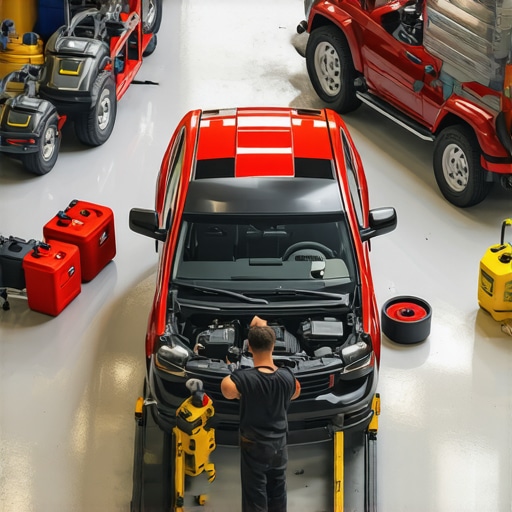
Ever found yourself stranded on the side of the road, frustrated because your car suddenly started acting up? That light on the dashboard, the strange noise, or the sluggish acceleration can turn a good day into a nightmare. I’ve been there—trust me, I know the sinking feeling of realizing your vehicle isn’t performing like it used to. The light bulb finally went off for me when I ignored routine maintenance and paid the price with a costly repair. It’s a mistake I don’t want you to make.
Why Staying on Top of Oil and Transmission Care Matters in 2024
Your vehicle’s health isn’t just about what’s under the hood; it’s about the choices you make today. Regular oil changes and transmission maintenance are the foundation of a reliable, long-lasting car. They’re not just about avoiding breakdowns—they’re about saving money, improving fuel efficiency, and ensuring your safety on every drive. With modern cars becoming more sophisticated, following expert tips from ASE-certified professionals can make all the difference. If you want to keep your car running like new, understanding the latest recommendations for 2024 is essential. For comprehensive guidance, check out top ASE-certified oil change tips and transmission maintenance strategies for 2024.
Is the Hype Around Modern Oil and Transmission Tips Justified?
When I first started learning about vehicle care, I thought, “How complicated can it really be?” Turns out, I was making some rookie mistakes—like ignoring the importance of using the right oil grade or forgetting to check transmission fluid levels regularly. These small oversights can lead to big problems down the line. Early on, I skipped a scheduled transmission fluid change, and it cost me an expensive repair. Since then, I’ve learned that trusting the advice of ASE-certified experts and following their detailed guidelines can significantly extend your car’s lifespan. For a complete understanding, I recommend reading the ultimate guide to transmission maintenance.
So, if you’re tired of unexpected breakdowns and costly repairs, stay tuned. I’ll share practical, expert-backed tips to keep your vehicle in top shape this year. Better maintenance isn’t just a chore; it’s a smart investment in your car’s future.
Change Your Oil Regularly for Long-Term Benefits
Think of your engine oil as the blood that keeps your vehicle alive. I remember the time I skipped an oil change for a few thousand miles, and my engine started to sputter. When I finally drained the old oil and replaced it with fresh, high-quality oil from trusted ASE-certified guides, my engine responded like new. Aim to change your oil every 5,000 to 7,500 miles, depending on your car model and driving conditions. Use the right oil grade specified in your owner’s manual, which you can verify via reliable ASE-certified oil change tips. Regular oil changes prevent sludge buildup, reduce wear, and improve fuel efficiency.
Check Oil Levels Monthly
Just like checking your blood pressure, inspecting your engine oil is crucial. Pull out the dipstick, wipe it clean, dip it again, and look at the level and color. If the oil is dark and gritty, it’s time for a change. Keeping the oil at the correct level prevents engine parts from grinding against each other, which can cause costly damage. If you’re unsure about the process, review expert advice on oil level checks.
Refresh Transmission Fluid for Smooth Shifting
Transmission fluid is like the lubricant in your joints—it keeps everything moving smoothly. I learned this the hard way when my transmission started slipping after neglecting the fluid. A quick drain and refill of the transmission fluid, guided by top ASE-certified transmission tips, restored my car’s responsiveness. Most vehicles need a transmission fluid change every 30,000 to 60,000 miles. Check your owner’s manual for specifics. Use a clean funnel and a drain pan to avoid mess, and always ensure the engine is warm for an accurate reading. Regularly inspecting and replacing transmission fluid prevents overheating, slipping, and costly repairs.
Assess Transmission Fluid Condition
Don’t just rely on the level—check the fluid’s color and smell. Healthy transmission fluid is pinkish and translucent. If it smells burnt or looks dark brown, it’s time for a change. For detailed guidance, see comprehensive transmission maintenance strategies. Some cars benefit from a full flush, while others only need a simple drain and refill—consult your mechanic or trusted guides for the best approach.
Keep Maintenance Appointments on Schedule
Routine maintenance isn’t just about oil and transmission; it’s about staying proactive. Set reminders for your service intervals, and don’t skip them. I’ve seen many drivers ignore scheduled checks until a warning light appears—by then, it’s often too late. Regular inspections can catch issues early, saving you money and hassle. For a tailored plan, review trusted ASE-certified tips for longevity and performance.
Many car owners believe that following the basic advice on oil changes and transmission care is enough to keep their vehicles running smoothly. However, there are several nuanced pitfalls and myths that can trip you up if you’re not aware. Let’s dig deeper into some of these overlooked aspects that often lead to costly mistakes.
Why Relying Solely on Fixed Intervals Can Backfire
One widespread misconception is that adhering strictly to manufacturer-recommended mileage intervals for oil and transmission fluid changes guarantees optimal vehicle health. While these guidelines provide a good baseline, they don’t account for individual driving habits, climate conditions, or vehicle age. For example, stop-and-go city driving or extreme temperatures can accelerate oil breakdown, making it necessary to change more frequently than the standard 5,000 to 7,500 miles. Advanced vehicle sensors and oil life monitoring systems can offer more precise insights—trusting them can prevent unnecessary or delayed maintenance. For a comprehensive approach, see top ASE-certified oil change tips.
What Most People Overlook About Transmission Fluid
Many drivers think that checking the transmission fluid level once a year is enough, but the real nuance is in understanding the fluid’s condition. Transmission fluid doesn’t just need to be at the right level; it must also be clean and free of burnt smell or dark coloration. Neglecting this can lead to insidious damage, such as slipping or overheating, which is much harder to diagnose early. Regularly inspecting the fluid’s condition and replacing it before issues become severe can save hundreds of dollars. For detailed guidance, review top ASE-certified transmission tips.
Advanced Troubleshooting: How to Detect Hidden Transmission Problems
While most drivers focus on level and color, experienced technicians look for subtle signs like slight delays in shifting, unusual noises, or inconsistent responses during gear changes. These symptoms often indicate internal wear or contamination, which may not be obvious without professional assessment. Relying solely on visual inspection without understanding these nuances can be a trap. Consulting expert guides like comprehensive transmission maintenance strategies can help you identify early warning signs and avoid expensive repairs.
Have you ever fallen into this trap? Let me know in the comments. Being aware of these advanced nuances can make all the difference in maintaining a reliable vehicle and saving money in the long run.
Keeping your vehicle in top condition over time requires more than just basic knowledge; it demands the right tools and a disciplined approach. Personally, I rely on a few key pieces of equipment that have proven invaluable in my maintenance routine. One such tool is a high-quality digital multimeter. It helps me quickly diagnose electrical issues, ensuring my car’s systems are functioning optimally before problems escalate. I prefer models with auto-ranging capabilities, like the Fluke 117, because they simplify testing and provide accurate readings, saving me time and guesswork.
Another essential item is a reliable OBD-II scanner. Modern vehicles are equipped with complex computer systems, and having a scanner like the BlueDriver allows me to read diagnostic trouble codes directly from my smartphone. This immediate access helps me identify issues early, whether it’s a sensor malfunction or an emission system problem, making repairs more straightforward and cost-effective. Regularly scanning my vehicle helps me stay ahead of potential failures, which is crucial given how sophisticated engine management has become.
For fluid maintenance, I recommend investing in a good-quality funnel with a built-in filter. This simple tool prevents dirt and debris from contaminating your oil or transmission fluid during fills. I also keep a set of precision gauges for checking fluid levels—these are especially handy for transmission fluid, where accurate measurement can be tricky. Using the right tools ensures you don’t inadvertently cause damage or introduce contaminants that could accelerate wear.
In terms of software, I use a maintenance tracking app—like Car Minder Plus—that helps me log oil changes, fluid flushes, and scheduled inspections. Staying organized ensures I don’t miss critical service intervals, which can lead to costly repairs down the line. Modern apps even remind me when it’s time for the next service, and some integrate with diagnostic tools for real-time updates.
Looking ahead, I predict that vehicle maintenance tools will become increasingly smart and integrated. With advancements in IoT technology, we can expect more vehicles to automatically send diagnostic data to our smartphones or service centers, enabling predictive maintenance. This shift will take the guesswork out of repairs and extend vehicle longevity even further.
To maintain your vehicle effectively over time, prioritize investing in a robust diagnostic scanner and a good maintenance app. Regularly check and replace fluids using quality tools, and consider upgrading your diagnostic setup as technology evolves. For the best results, try incorporating an OBD-II scanner like BlueDriver or a multimeter with auto-ranging features into your routine. This proactive approach will help ensure your vehicle remains reliable, safe, and efficient for years to come. For detailed guidance on fluid maintenance, see trusted ASE-certified tips.
The Hardest Lesson I Learned About Vehicle Maintenance
One of the most valuable lessons I learned was not to ignore the subtle signs of transmission wear. Early symptoms like slight delays in shifting or unusual noises often seem minor but can escalate into costly repairs if overlooked. Paying close attention to these clues has helped me avoid many breakdowns. Trusting expert advice and regularly inspecting transmission fluid condition has been a game-changer, saving me hundreds of dollars and stress.
3 Myths About Oil and Transmission Maintenance That Held Me Back
I used to believe that following fixed mileage intervals for oil and transmission fluid changes was enough. It turns out that individual driving habits and climate conditions matter more than I thought. Modern sensor systems can provide more precise insights, helping me adapt my maintenance schedule. Learning this shifted my approach from rigid schedules to a more tailored, effective routine.
What Experts Won’t Tell You About Vehicle Longevity
Many assume that only major repairs affect vehicle lifespan, but neglecting small, regular checks adds up over time. Using quality tools like a diagnostic scanner and tracking apps has empowered me to catch issues early. This proactive mindset has extended my vehicle’s life well beyond expectations, proving that consistent, informed maintenance truly pays off.
My Essential Toolkit for Maintaining a Reliable Vehicle
I rely on a high-quality OBD-II scanner like BlueDriver for real-time diagnostics. It’s invaluable for quickly identifying issues before they become serious. Additionally, a digital multimeter helps me troubleshoot electrical problems efficiently. For fluid checks, I use a precision funnel with a filter to ensure no contaminants enter my engine or transmission. These tools make maintenance straightforward, saving me time and money.
Keep Your Drive Safe and Smooth—Your Next Step
Now that I’ve shared my insights, I encourage you to take your vehicle’s health seriously. Regular inspections, using expert-approved tools, and staying informed can dramatically improve reliability and safety. Remember, the effort you put into maintenance today will reward you with a smoother, more dependable ride tomorrow. Don’t wait for warning lights—be proactive and enjoy the peace of mind that comes with a well-maintained vehicle.
What’s the biggest challenge you’ve faced while trying to keep up with vehicle maintenance? Share your story below—I’d love to hear your experiences!

David Lee
This article highlights how crucial proactive maintenance is, especially as vehicles become more advanced. I’ve personally learned the hard way that neglecting simple checks like fluid levels or ignoring warning signs can lead to costly repairs down the line. I remember skipping a transmission fluid check and ending up with a much more expensive fix due to damage that could have been avoided with just a little regular attention. It’s fascinating how modern sensors and tools like OBD-II scanners have made it easier to monitor vehicle health in real-time, helping us catch issues early. I’ve started using a maintenance app that integrates with my scanner, ensuring I never miss a scheduled service. For those who might find DIY maintenance intimidating, what are some effective ways to stay consistent without feeling overwhelmed? Would love to hear tips or experiences from others who have mastered the art of routine vehicle care.
Michael Roberts
The article really hits home for me. I’ve seen firsthand how neglecting small maintenance tasks like checking transmission fluid or regular oil changes can snowball into major issues. I recently replaced my transmission fluid after noticing sluggish shifts, and it made a noticeable difference in my driving experience. What really surprised me is how much modern tools—like OBD-II scanners and maintenance apps—have simplified staying on top of car care. They make it almost effortless to monitor and schedule maintenance, which is a game changer for busy folks. However, I wonder, how do you balance these high-tech solutions with traditional, manual checks? Do you find that relying too much on digital tools might cause you to overlook some simple visual inspections? I’d love to hear other experiences on integrating both methods for comprehensive vehicle upkeep. Also, do you have any tips for those who are just starting and feel overwhelmed by the array of tools and advice out there?
Emily Carter
This post really emphasizes the importance of not taking vehicle maintenance lightly, especially with how complex modern cars have become. I recall a situation where I ignored a small warning light for a few days, only to find myself stranded with a much bigger problem than if I had addressed it earlier. The convenience of tools like OBD-II scanners combined with traditional checks truly makes car maintenance more manageable, but I sometimes wonder if relying too much on digital diagnostics might cause some of us to overlook simple visual or manual inspections. For example, checking for leaks or unusual smells can catch issues before sensors even detect them. Have others found a good balance between using high-tech tools and hands-on inspections? Are there certain signs you always look for manually, regardless of what diagnostics say? Would love to hear your experiences and tips for staying vigilant without feeling overwhelmed by technology or routines.
Jennifer Morgan
This article really underscores how vital consistent maintenance is, especially with the increasing complexity of modern vehicles. I remember neglecting a simple oil top-up and ending up with uneven engine performance and increased fuel consumption. Since then, I’ve started using a combination of high-tech tools like OBD-II scanners and manual checks such as inspecting fluid levels and listening for odd noises. I’ve found that manual inspections help me catch issues that sensors might miss, especially early warning signs like subtle leaks or unusual smells. What strategies have others found effective for balancing the use of digital diagnostics with classic visual and tactile inspections? Are there particular habits or routines that make staying on top of maintenance less daunting, especially for those new to DIY car care? I’d love to hear everyone’s tips for integrating these methods seamlessly into regular vehicle care routines.