Ever had that sinking feeling when your car starts making strange noises or, worse, stalls unexpectedly? I remember the first time my transmission slipped unexpectedly—I was on my way to an important meeting, and it was a nightmare. That lightbulb moment made me realize how crucial proper maintenance is, especially with the latest tips from ASE-certified experts. Now, I want to share what I’ve learned so you don’t have to go through the same scare.
Why Staying Ahead with Proper Oil and Transmission Care Matters in 2024
In my early days of car ownership, I thought just topping off the oil or ignoring the transmission was enough. Boy, was I wrong. Ignoring these essentials can lead to costly repairs or even complete vehicle breakdowns—something I learned the hard way. Today, I’ll guide you through the most effective tips, backed by ASE-certified experts, to keep your car performing at its best in 2024.
Is It Really Worth the Effort to Follow These Tips?
Absolutely. I used to think regular maintenance was just an expense I could skip. That mistake cost me more than I want to admit. According to automotive research, neglecting transmission fluid changes or oil maintenance can reduce your vehicle’s lifespan significantly. Trust me, following the right advice now can save you thousands later. Want to find out how I turned my car’s performance around? Keep reading, and I’ll show you the proven steps you can take today to avoid those costly surprises.
Check Your Oil Regularly and Maintain It Properly
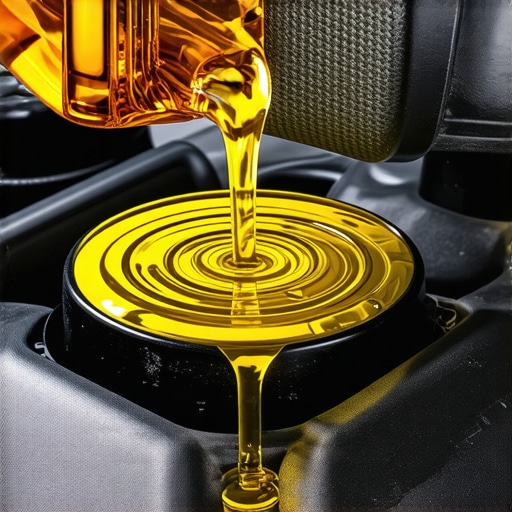
Think of your engine oil as the blood of your car—vital for keeping everything running smoothly. In 2024, ASE-certified experts emphasize the importance of checking your oil at least once a month. Pull out the dipstick, wipe it clean, reinsert it fully, and then check the level. If it’s below the minimum mark, top it off with the recommended oil type. Remember, using the wrong oil can cause unnecessary wear and tear. For detailed guidance, visit this resource on expert oil change tips.
Replace Oil and Filter on Schedule
Don’t wait until your engine starts to sputter—stick to the manufacturer’s recommended oil change interval, typically every 5,000 to 7,500 miles. When you do, replace the oil filter as well. Think of this like changing the filter in your home HVAC system—clogged filters reduce efficiency. I once scheduled my oil change a bit late, and my engine’s performance noticeably declined. After switching to a trusted ASE-certified service, my car ran smoother and saved me money in the long run. For the best results, consider visiting a trustworthy service like trusted ASE-certified car services.
Keep Your Transmission Fluid Fresh
Transmission fluid is like the lubricant in a machine—without it, gears grind and seize. In 2024, experts recommend inspecting your transmission fluid every 30,000 miles and changing it when it turns dark or smells burnt. Unlike engine oil, transmission fluid often doesn’t need changing as frequently, but neglecting it can lead to costly repairs. I vividly remember ignoring this advice and experiencing rough shifting; a quick transmission fluid flush fixed the issue instantly. Think of it as giving your car’s heart a health check. For detailed guidance, check out this transmission maintenance guide.
Use the Right Transmission Fluid
Not all transmission fluids are created equal. Always use the type specified in your owner’s manual. Using the wrong fluid can cause slipping, overheating, or even transmission failure. When I replaced my transmission fluid, I made sure to match the exact specification—this small step prevented future headaches. For expert advice on choosing the right fluid and performing the change, explore this resource.
Monitor and Address Leaks Immediately
Both engine oil and transmission fluid leaks can silently cause damage. Regularly check under your car for puddles or stains. A small dribble can become a big problem if ignored. I caught a transmission leak early because I noticed a small puddle after parking—getting it fixed immediately saved me from a costly rebuild. Think of leaks as warning signs that your vehicle needs urgent attention. Schedule a professional inspection if you notice anything unusual. For trustworthy repair options, see this trusted service guide.
Keep Up with Professional Maintenance
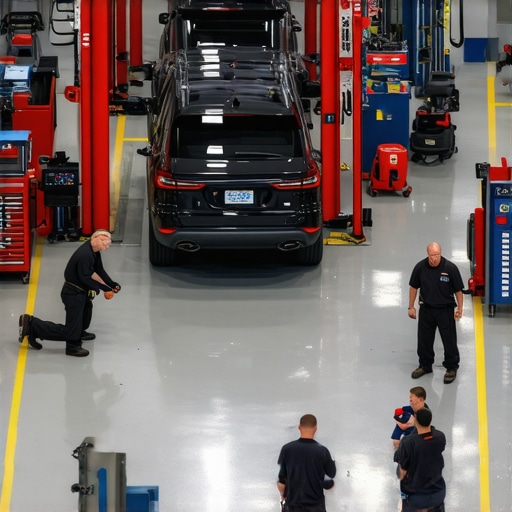
While DIY checks are helpful, professional ASE-certified maintenance ensures everything runs optimally. Regular inspections can catch issues before they become expensive repairs. I recommend scheduling an annual checkup, especially for transmission health and oil quality. Expert technicians can perform comprehensive diagnostics, ensuring your vehicle’s longevity. For reliable service providers, visit this list of trustworthy ASE-certified technicians.
While many car owners diligently follow basic maintenance routines, there’s a hidden layer of nuance that often gets overlooked, leading to costly mistakes. One of the most persistent myths is that simply checking the oil level once in a while suffices. In reality, the condition of your oil and transmission fluid is far more complex, and understanding this can save you money and extend your vehicle’s lifespan.
For instance, many believe that using the same oil type indefinitely is harmless. However, different driving conditions and engine age require different formulations. Modern synthetic oils, for example, offer better protection under extreme temperatures, but only if you choose the right grade. ASE-certified experts emphasize the importance of consulting your owner’s manual and sometimes even switching to a different oil type as your vehicle ages. To stay ahead, consider visiting trusted ASE-certified car services for tailored advice.
Why do most people overlook transmission fluid? It’s not just about the color or smell
Many think that if their transmission shifts smoothly, the fluid is fine. But this is a dangerous misconception. Transmission fluid can break down over time and under high-stress conditions, losing its lubricating and cooling properties even if the car still shifts properly. This often leads to overheating and premature wear. An often overlooked nuance is that different vehicle models require specific transmission fluids, and using the wrong type can lead to slipping or even complete transmission failure. It’s a trap to assume all transmission fluids are interchangeable. For advanced maintenance tips, explore this comprehensive guide.
Another common mistake is neglecting early signs of leaks or fluid degradation. Small puddles or burnt smell signals should never be ignored. Regularly inspecting your transmission and oil levels, and replacing fluids at recommended intervals, is crucial. Remember, the goal is proactive care, not reactive repairs. If you want expert assistance, trusted service providers can be found at this trusted ASE-certified network.
Are you making these advanced mistakes?
One advanced mistake many overlook is assuming that all maintenance tasks are equal in importance. For example, flushing your transmission fluid might seem like a routine task, but doing it too frequently or using the wrong procedure can cause more harm than good. Over-flushing can disturb the transmission’s delicate internal components, leading to early failure. The key is understanding your vehicle’s specific needs, which can be confirmed through diagnostics at this expert guide.
Finally, beware of the trap of DIY fixes that seem simple but are actually risky. For example, attempting to change transmission fluid without proper tools or knowledge can lead to contamination or incomplete drainage. Always prioritize professional maintenance, especially for critical components like your transmission. Regular, expert-led inspections are your best bet for longevity and performance.
Have you ever fallen into this trap? Let me know in the comments!
Keeping your vehicle running smoothly over the years requires more than just basic checks; it demands the right tools and a strategic approach. As vehicles become more sophisticated, so do the maintenance techniques. I personally rely on a set of specific equipment that allows me to perform diagnostics and maintenance with confidence, saving time and money. Here’s a breakdown of my go-to tools for maintaining your transmission and oil systems effectively in 2024.
High-Quality Diagnostic Scanner
For me, a reliable OBD-II scanner is indispensable. I use the Autel MaxiCOM MK808 because it provides comprehensive fault code reading, live data streaming, and reset functions that are crucial for early detection of transmission issues or oil system anomalies. Investing in a professional-grade scanner allows me to pinpoint problems before they escalate, aligning with the trend toward proactive maintenance. As vehicle electronics evolve, so does the need for advanced diagnostics. Looking ahead, I predict that integrated AI diagnostics will become mainstream, making early problem detection even easier.
Transmission Fluid Extraction and Filling Tools
Changing transmission fluid correctly is vital, and my preferred method involves a vacuum transmission fluid extractor. I personally use the BG Quick-Drain system to ensure a clean, complete change without a mess. This tool simplifies the process, making it accessible even for DIY enthusiasts, yet professional enough for ongoing maintenance. Properly maintained transmission fluid extends your vehicle’s lifespan—something that ASE-certified experts highly recommend. Future advancements will likely include automated, smartphone-controlled systems for even more precise fluid management.
Precision Oil Change Equipment
For oil changes, I trust a digital oil filter wrench combined with a synthetic oil pump. The digital wrench allows me to remove filters with minimal effort, ensuring a tight seal during reinstallation. The pump helps me accurately fill the engine with the correct amount of synthetic oil, which is critical for modern engines that require precise lubrication. Regular oil and filter changes, performed with the right tools, prevent engine wear and save money in the long run. As synthetic oils become more prevalent, tools that facilitate their precise application will gain importance.
Why Do I Stick With These Tools?
These tools have proven their worth in maintaining my vehicle’s health, especially regarding transmission and oil systems. They allow me to perform maintenance with confidence, ensuring that no step is skipped. I also appreciate how these tools help me identify issues early, aligning with the recommendations of ASE-certified experts. As vehicle technology advances, I expect maintenance tools to incorporate more automation and smarter diagnostics, reducing the need for guesswork and increasing efficiency.
How Do I Maintain My Tools Over Time?
Regular cleaning, proper storage, and periodic calibration are key. For example, I make sure to clean my diagnostic scanner after each use and store it in a protective case. I also follow manufacturer guidelines for calibration of fluid extraction tools to ensure accuracy. Maintaining your tools ensures they remain reliable, which is crucial for ongoing vehicle care. I recommend setting a schedule to check and service your tools at least twice a year, especially before major maintenance tasks.
To stay ahead in vehicle maintenance, I suggest trying out a professional-grade diagnostic scanner or investing in a quality transmission fluid extractor. These tools not only simplify routine maintenance but also help catch issues early. For trusted advice and professional services, consider visiting this resource. Remember, investing in the right tools today ensures your vehicle’s longevity tomorrow.
The Hardest Lesson I Learned About Transmission Care
One of my biggest mistakes was ignoring the subtle signs of transmission wear. I thought smooth shifting meant everything was fine—until one day, my car started slipping gears. That wake-up call taught me the importance of regular transmission fluid checks and knowing the true condition of your fluids beyond just color and smell. Now, I always follow expert advice and schedule proactive maintenance, which has saved me from costly repairs and headaches.
Tools That Transformed My Approach to Car Care
Investing in a quality diagnostic scanner like the Autel MaxiCOM MK808 changed the game for me. It helps catch issues early, from engine troubles to transmission glitches. Also, a vacuum transmission fluid extractor made my fluid changes cleaner and more effective. These tools, trusted by ASE-certified technicians, give me confidence that my vehicle is in top shape, and I recommend them for anyone serious about maintaining their car.
Feeling Empowered to Keep Your Car Running Smoothly
Remember, vehicle maintenance isn’t just about fixing problems—it’s about preventing them. Stay curious, keep learning, and don’t hesitate to seek professional help when needed. Your car is a valuable companion, and giving it proper care in 2024 will reward you with safe, reliable driving for years to come. Take action today—your future self will thank you!
What’s the biggest maintenance mistake you’ve ever made or want to avoid? Share below—I’d love to hear your story!