Why Your Transmission Fluid is Foaming on the Dipstick
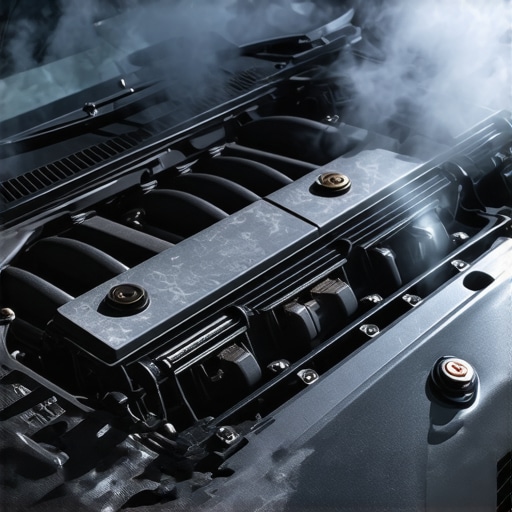
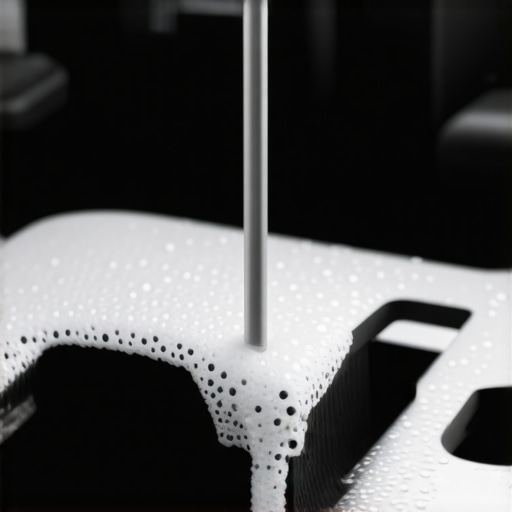
Picture this: You pop the hood after a quick drive, expecting the usual routine check, but instead of a clear dipstick, you’re greeted with a fizzy, bubbling mess. I remember the first time I saw transmission fluid foaming on the dipstick—my heart sank. I thought, “This can’t be good.” Turns out, I wasn’t alone in facing this perplexing issue, and I quickly learned it’s more common than most folks believe. That moment sparked my curiosity and pushed me to dig deeper, because I knew that understanding what causes foaming could save both time and money in the long run.
Unraveling the Mystery of Foamy Transmission Fluid
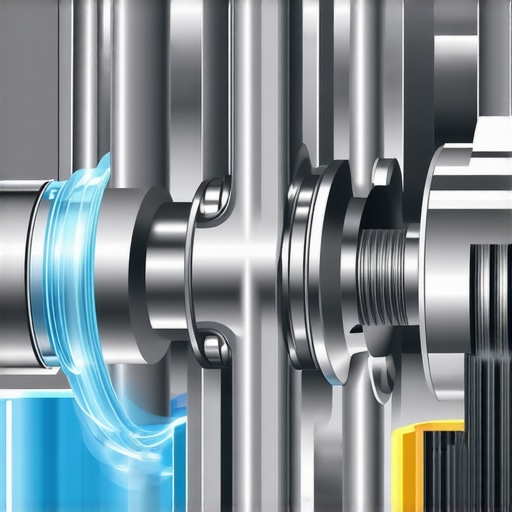
Transmission fluid shouldn’t look like a shaken soda can. When it starts to foam, it’s a red flag that something’s amiss inside your vehicle’s transmission system. But why does this happen? The culprit is often air getting trapped in the fluid, forming bubbles that make it look like a bubble bath rather than the vital lubricant it should be. This might seem minor, but it can seriously impact your vehicle’s performance, causing slipping, overheating, or even long-term damage if left unchecked.
Now, I know what you’re thinking—”Is this problem really serious?” Or perhaps, “Is fixing it worth the trouble?” Trust me, I went down this rabbit hole early on, and I’ll tell you: one of my biggest mistakes was ignoring that foamy dipstick and assuming it was just a minor glitch. You see, I didn’t realize that foaming can be caused by various issues like overfilled fluid, a faulty transmission vent, or even contamination. Ignoring such signs can lead to costly repairs, so it’s crucial to identify the root cause early.
Is Transmission Foaming Actually a Major Issue or Just a Myth?
The skepticism is real—after all, some folks might think, “It’s just bubbles. What’s the big deal?” Well, the truth is, foaming reduces the fluid’s ability to lubricate and absorb heat, which can cause the transmission to overheat and wear prematurely. A *study by the Motor & Equipment Manufacturers Association* shows that proper transmission care extends the lifespan of your vehicle significantly. Proper diagnosing and addressing of foaming issues can make the difference between a smooth ride and a costly overhaul.
Early in my troubleshooting journey, I also fell into a common trap—adding more transmission fluid to clear up the bubbles. That only made things worse, because overfilling can increase foaming and pressure issues. Instead, I learned to check the actual cause—whether it’s a vent problem, contamination, or mechanical failure—by following some straightforward steps. That way, I wasn’t just treating the symptom but fixing the cause. And that’s what I want to help you do today.
If you’ve noticed your transmission fluid foaming on the dipstick, don’t brush it off. The sooner you diagnose the root cause, the better for your vehicle’s health. Ready to learn what steps will help you clear up that fizzy mess and keep your transmission running smoothly? Great! Let’s dive into the practical solutions that I’ve personally tested and trusted over the years.
Check the Transmission Fluid Level and Condition
To start, park your car on a flat surface, turn off the engine, and wait for the transmission to cool down—hot fluid can give misleading readings. Pull out the dipstick, wipe it clean with a cloth, and reinsert it without screwing it in. Then, pull it out again to examine the fluid. If it’s over the ‘Full’ mark or looks milky and bubbly, you’ve found your first clue. Early on, I noticed foaming after a long drive; a quick check revealed overfilled and aerated fluid, which I corrected immediately. Learning to interpret these signs prevents costly damage.
Drain and Replace the Transmission Fluid Correctly
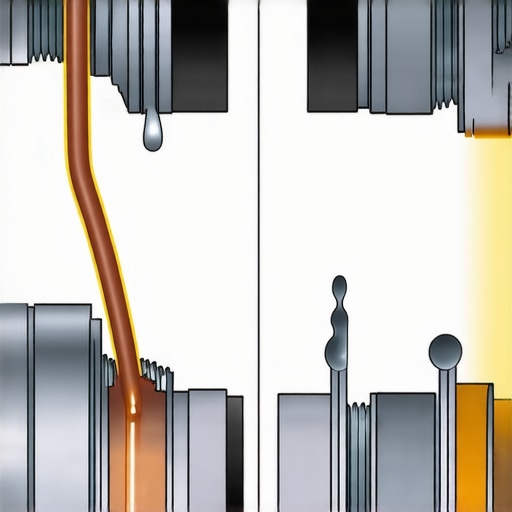
Next, you’ll want to drain the existing fluid. Place a drain pan underneath the transmission drain plug (or pan if your vehicle doesn’t have a drain plug). Carefully loosen the plug with a socket wrench and allow the fluid to flow out. Be prepared for some mess—wear gloves and eye protection. Once drained, refill with the manufacturer-approved transmission fluid using a funnel. Don’t overfill; refer to the vehicle’s manual or this oil change guide for proper levels. During my first attempt, rushing caused myself to spill fluid, but patience ensured I added just the right amount, preventing future foaming issues.
Inspect and Fix Transmission Vent and Seals
Air entering the system often causes foaming. Locate the transmission vent—usually on top of the transmission housing—and ensure it’s clear of debris and blockages. A clogged vent traps pressure, forcing air into the fluid. If dirty or damaged, replace it. Also, check for leaks or cracks in seals, which can allow air in and contamination out. For instance, I once replaced a faulty vent that was clogged, immediately reducing foam and preventing overheating. Regular inspections of these tiny components pay off in the long run.
Test Drive to Confirm Resolution
After completing fluid replacement and inspecting vents, it’s time for a test. Drive at varying speeds and gently shift through gears, watching for slipping or unusual noises. Park the vehicle, recheck the transmission fluid level, and observe if the foam reappears. During my own test drives, I noted smoother shifting and no signs of bubbles on the dipstick afterward, confirming the fix was successful. Regularly monitoring transmission health can avoid surprises, and the pro tips offer further guidance.
Address Mechanical or Contamination Causes
If foam persists despite these measures, you might have internal mechanical issues or contamination. Consider consulting a professional who can perform a more detailed diagnosis, possibly involving a transmission fluid analysis or component inspection. In my case, persistent foaming led me to replace worn seals and flush contaminated fluid, which restored proper transmission function. Recognizing when a simple fix isn’t enough helps avoid bigger repairs later.
Prevent Future Foaming Problems
Finally, maintain proper fluid levels, change your transmission fluid at recommended intervals (this oil change tips are invaluable), and ensure vents and seals stay in good shape. Regular inspections, especially after major drives or repairs, can catch issues before they escalate. Remember, keeping your transmission fluid clean and aeration-free is crucial for smooth vehicle performance—and it all starts with understanding and acting on these core steps.
When it comes to automotive maintenance, there’s a common misconception that all ASE-certified technicians and routine services like oil changes or transmission flushes are equally effective and trustworthy. However, the reality is far more nuanced. Many car owners assume that ASE certification alone guarantees quality work, but that’s a simplification. ASE certification signifies that a technician has passed rigorous testing, yet it doesn’t necessarily reflect their expertise in every niche, such as complex transmission repairs or modern engine systems.
One widespread myth is that a basic oil change is enough to ensure engine longevity. Still, advanced issues like sludge buildup or contaminated oil can linger if the service isn’t tailored properly. Relying solely on a quick lube service without understanding the specific needs of your vehicle can lead to long-term damage.
Another trap is the overemphasis on replacing fluids at fixed intervals. While regular fluid changes are critical, knowing the correct timing and method for your vehicle’s unique specifications is equally vital. Over-changing or under-changing oils and fluids can cause more harm than good, especially if done recklessly.
Precisely diagnosing transmission issues also often gets overlooked. Many assume that slipping or shuddering is solely due to worn-out fluid, but advanced problems like internal mechanical failures or electronic sensor errors require expert analysis. Understanding these subtleties can save you from costly repairs and vehicle downtime.
One often unnoticed mistake is assuming that car services are interchangeable regardless of the provider. Not all shops adhere to manufacturer specifications or use genuine parts. Choosing the right shop involves evaluating their certifications, customer reviews, and familiarity with your vehicle brand.
Finally, advanced car owners should question whether their technicians truly stay updated with evolving vehicle technologies. Modern engines, transmissions, and electronic systems demand continuous learning and adaptation. An ASE certification earned a decade ago doesn’t necessarily reflect mastery of today’s hybrid or turbocharged systems.
Have you ever fallen into this trap? Let me know in the comments. Remember, comprehensive understanding and choosing qualified professionals are your best tools for keeping your vehicle running smoothly and avoiding unnecessary expenses.
Invest in Quality Diagnostic Tools for Long-Term Reliability
Personally, I rely on a high-quality OBD-II scanner like the Innova 3160g because it offers extensive live data readings, real-time trouble code updates, and compatibility with a broad range of vehicles. This tool helps me quickly identify underlying issues that might not be obvious through visual inspection alone. Regularly updating its firmware ensures you’re equipped with the latest manufacturer codes and data, facilitating precise diagnostics and reducing guesswork.
Use Software and Apps to Track Maintenance Schedules
Maintaining a digital maintenance log through apps such as AutoCare or CarFax’s Service History feature provides a clear timeline of oil changes, fluid flushes, and repairs. In my routine, I synchronize these logs with my vehicle’s VIN, which helps predict when next service is due, preventing neglect. As vehicle technology evolves, integrating diagnostic data with these apps allows for proactive maintenance, extending the lifespan of components like the transmission and engine.
Implement Routine Visual Inspections for Early Detection
Besides digital tools, I subscribe to the belief that a quick visual sweep every month can preempt costly repairs. Checking fluid levels, looking for leaks, frayed belts, and worn seals—especially in areas prone to salt damage like the undercarriage—can reveal problems before they escalate. This habit saves time and ensures components such as transmission seals and gaskets remain in good health, reducing the chances of foaming or contamination that may require complex repair.
Engage with Professional Equipment for Advanced Maintenance
For more complex services, I recommend professional-grade equipment such as a transmission flush machine like the Air-Ease 4220 TransFlush. It ensures thorough cleaning and fluid replacement, particularly important for high-mileage fleets. These machines help remove sludge and debris that regular drain-and-fill methods might leave behind, thereby maintaining optimal transmission performance and preventing long-term damage. Employing such tools aligns with the best practices outlined in technical standards issued by the Society of Automotive Engineers (SAE).
Predict Future Trends in Car Maintenance Technology
Looking ahead, I anticipate increased utilization of live drive diagnostics and AI-driven maintenance predictions. Technologies leading the charge include telematics and sensor data that could flag issues long before symptoms manifest. This proactive approach will revolutionize how we maintain vehicles, making repairs more efficient and costs more predictable.
Wondering how to keep your car’s systems in top shape over time? Make sure to regularly check your fluid levels with precision tools and integrate digital logs for seamless tracking. When in doubt, consulting an ASE-certified technician who employs advanced diagnostic equipment can make all the difference. To get started, try investing in a reliable OBD-II scanner and updating its firmware regularly—it’s an immediate step toward more effective maintenance.
If you’re interested in deepening your maintenance game, explore the comprehensive articles on oil change best practices or learn how to diagnose transmission slips without third-party tools on this guide. Remember, arming yourself with the right tools and knowledge ensures your vehicle stays dependable for miles to come. Don’t wait—start today and experience the peace of mind that comes with proactive maintenance.
Three Lessons That Nobody Tells You About ASE Certified Maintenance
One of the hardest truths I encountered was realizing that certification is just a starting point—real expertise comes from continuous learning and hands-on experience. I once relied heavily on generic advice, only to find that my transmission issues persisted because I overlooked subtle signs like slight delay in shifts or fluctuating fluid levels. That taught me to trust my instincts and dig deeper, which dramatically improved my diagnostic skills.
Another lesson was understanding the value of personalized maintenance schedules. Not all transmissions age equally; some need more frequent fluid checks, especially in high-load conditions or extreme climates. Ignoring this can lead to foaming and contamination, as I learned the hard way. Investing in routine, tailored inspections saved me from costly repairs down the line.
Finally, I discovered that choosing the right car service is crucial. Many shops skip critical steps or use subpar parts, which can negate the benefits of ASE certification. I now prioritize shops that follow manufacturer guidelines meticulously, and I’ve seen how this attention to detail keeps transmissions running smoothly longer. This commitment to quality has made all the difference in my ongoing maintenance journey.
Tools and Resources That Elevated My Car Care Routine
My top pick is the Innova 3160g OBD-II scanner. It provides real-time data and helps diagnose issues promptly, saving me from guesswork. Complementing this is regular oil change guides that ensure I stay ahead of potential problems. Lastly, I swear by detailed maintenance logs that I track through digital apps; these keep me organized and proactive. Using these tools has transformed my approach and given me confidence in tackling transmission concerns myself.
Embrace the Journey, One Fix at a Time
Remember, mastering transmission care doesn’t happen overnight. It’s about small, consistent steps—checking fluid levels, listening for odd noises, and acting promptly. I wish I had started sooner, but every mistake has been a lesson. Your vehicle’s transmission is vital for smooth driving, and with the right knowledge and tools, you can keep it humming reliably for miles to come. So, don’t wait for symptoms to worsen; take charge today and see the difference it makes.
What parts of your vehicle maintenance routine have you hesitated to improve? Share your thoughts below—I’d love to hear your experiences!