
Why Your Fleet Vehicles Are Burning Through Tires Prematurely
It was a sweltering Friday afternoon when I finally realized that my fleet of delivery vans was eating through tires like they were candy. Each week, I watched more money slip away into the tire shop, wondering what I was doing wrong. That lightbulb moment hit me hard: despite regular oil changes and expert transmission checks, I had overlooked a fundamental aspect of vehicle maintenance. Just imagine the frustration—spending thousands on new tires every few months, all because I missed the signs of underlying issues.
Uncovering the Hidden Causes Behind Tire Wastage
Many fleet operators face this same problem. Tires are a significant expenditure, and premature wear can be a sign that something more insidious is at play beyond just road conditions or driving habits. Today, I promise to share from personal experience and expert insights how you can identify and address the root causes that are quietly ruining your tires. By understanding these factors, you’ll be able to extend the lifespan of your fleet’s tires and save hundreds, if not thousands, annually.
Is It Just Bad Luck or Something More?
At the outset, I made a mistake that many fleet managers repeat: trusting that regular tire rotations and alignment alone are enough. But that’s just scratching the surface. A visit to the local service shop revealed a crucial oversight on my part. Regular oil changes, like those discussed in this [top oil change tips article](https://autofixclinic.com/top-oil-change-tips-for-safe-driving-in-2025), are vital, but only part of the puzzle. Neglecting issues like improper wheel alignment, incorrect tire pressure, or suspension problems can drastically reduce tire life.
In fact, misalignment and uneven tire wear can cut your tire lifespan in half. And here’s a startling fact: according to the Rubber Manufacturers Association, improper alignment is responsible for nearly 70% of premature tire replacements in fleets. That’s a clear indicator that looking beyond just the tires themselves is essential.
Much of my early success in tackling tire issues came from learning to recognize the signs of these underlying problems and addressing them proactively. This is why I now stress the importance of thorough inspections and diagnostics, which can be as simple as checking the alignment or as involved as a full suspension review.
If this sounds familiar or if your fleet has experienced sudden spikes in tire expenses, you’re not alone. Keep reading—next, we’ll dive into specific steps to identify and fix these hidden causes, so your vehicles run longer and save you money.
Begin with a thorough inspection of wheel alignment and suspension components
During a trip to a client’s fleet, I vividly recall the moment I discovered a misaligned wheel that was causing uneven tire wear. To replicate this success, start by checking that your vehicles’ wheels are properly aligned. Use a professional alignment machine or hire a certified mechanic. Misalignment can be subtle but leads to uneven tire edges grating against the pavement, drastically reducing tire lifespan. Think of it like a misfitted shoe; discomfort and uneven wear follow.
Check and set correct tire pressure regularly
Once, I caught a truck with underinflated tires that looked normal at a glance. But after measuring, I found they sat 15% below recommended PSI. Consistently maintaining proper tire pressure ensures even contact with the road, toning down unnecessary friction and heat that accelerate tire degradation. Use a high-quality digital gauge, and schedule weekly checks—especially before long trips. Remember, underinflation increases rolling resistance, heating the tires and causing early failure.
Perform routine suspension diagnostics
Suspension issues like worn shocks are silent killers of tire health. I once ignored a slightly bumpy ride, only to find that worn shocks led to rapid tire feathering. A dynamic test—pushing down sharply on each corner—can reveal excessive bouncing. Replacing faulty shocks restores proper tire contact, evenly distributing weight and preventing uneven wear patterns. Think of suspension as the foundation of your tire’s life: if it’s shaky, everything suffers.
Use a tire-specific inspection routine
In a fleet review, I adopted a simple visual checklist: look for cuts, cracks, or embedded debris; verify tread depth; and check for sidewall bulges. A flash light and a penny are tools of the trade—tread depths below 2/32 inch mean replacement time. Regular inspections catch problems early, before they escalate into blowouts or uneven wear that halves tire life. Visual cues are like the dashboard lights of your maintenance vehicle; ignore them at your peril.
Rotate tires at manufacturer-recommended intervals
Once, I delayed tire rotations due to scheduling conflicts, and the tires exhibited uneven wear after a few thousand miles. Developing a rotation schedule—every 5,000 to 7,000 miles—is critical. This practice balances out tire usage, preventing one set from wearing faster than the others. Remember, rotation is simple but profoundly impacts longevity, akin to changing your sleeping position to avoid pressure sores.
Pursue professional diagnostics when needed
Despite routine checks, sometimes deeper issues lurk. I visited a trusted [ASE-certified mechanic](https://autofixclinic.com/why-regular-oil-changes-extend-your-cars-lifespan) who used advanced alignment and tire wear analysis tools. They identified a subtle camber angle misadjustment that was eroding tires faster than expected. Regular diagnostics help uncover hidden problems—like suspension misalignments or worn ball joints—that otherwise quietly drain your budget.
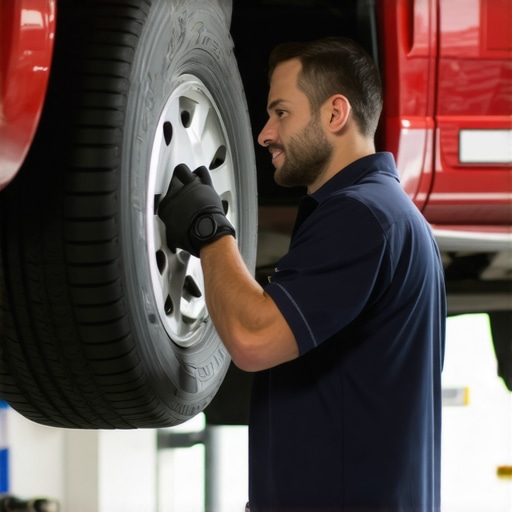 Many car owners and fleet managers alike believe that obtaining ASE certification guarantees a technician’s expertise across all vehicle systems. While ASE certification signifies a recognized standard, it’s a common misconception that a badge alone ensures comprehensive knowledge of modern vehicle complexities. In my experience, some ASE-certified mechanics excel in certain areas like transmission repair but may lack updated insights into the latest engine control units or hybrid systems. This is especially crucial because auto technology evolves rapidly, rendering some traditional skills less relevant. Relying solely on ASE certification without assessing a mechanic’s specialization in newer vehicle technologies can lead to overlooked issues, resulting in costly repairs down the line. Remember, the certification is a baseline—not a guarantee of mastery in every niche. For instance, many assume that an oil change or transmission service performed by an ASE-certified tech is automatically optimal, but an improper oil type or overlooked transmission flush can cause long-term damage. It’s vital to ask detailed questions or seek diagnostics from specialists who keep pace with innovations. Additionally, beware of the myth that all ASE-certified shops follow the same high standards; practices vary widely. The key is to identify technicians whose expertise aligns with your vehicle’s specific needs, especially for advanced systems like direct injection engines or hybrid powertrains. To ensure you’re not falling into this trap, review personnel credentials carefully and consider seeking recommendations from trusted sources. For example, professional insights from industry experts suggest that ongoing training and specialization certifications are more indicative of a mechanic’s current knowledge than the initial ASE certification alone. This nuance can significantly affect maintenance quality and vehicle longevity. Would you trust a mechanic solely based on ASE certification? Or do you dig deeper into their specialization? Share your thoughts below. Want to maximize your vehicle’s lifespan? Regularly check our comprehensive guides on oil changes, transmission, and more to stay informed.
The Essential Tools That Keep Your Fleet in Top Shape
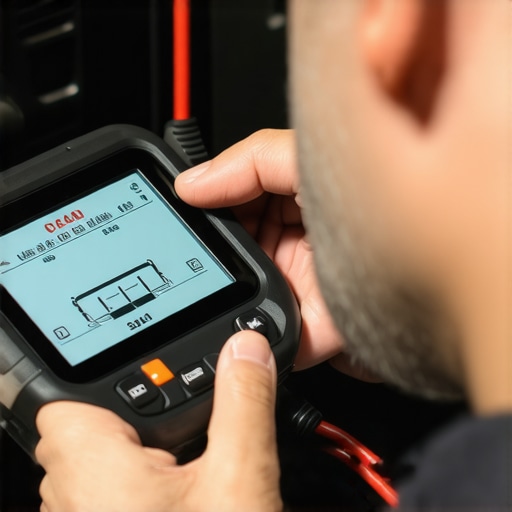
Maintaining your vehicles efficiently requires more than just basic knowledge—you need the right tools that deliver precision and reliability. I personally rely on a high-quality digital multimeter to troubleshoot electrical issues quickly. When diagnosing complex transmission or sensor problems, I use an automotive scan tool like the Autel MaxiSys MS909. This device connects seamlessly with modern vehicles, providing real-time data and detailed trouble codes, which saves time and prevents unnecessary part replacements.
For routine oil changes, I prefer a professional-grade oil extractor pump. It allows me to change oil through the drain plug or even through the dipstick tube, reducing mess and ensuring a complete oil swap. Pairing this with a digital torque wrench ensures that every bolt, from drain plugs to filter housings, is tightened to manufacturer specifications, like those found in this guide.
Software That Elevates Maintenance to a New Level
Beyond physical tools, software plays a pivotal role in proactive vehicle management. I utilize fleet management systems like Fleetio, which aggregates vehicle data, service intervals, and diagnostic reports. These platforms allow me to schedule maintenance, track repairs, and analyze vehicle performance trends, helping prevent breakdowns before they occur. This approach aligns with the future trend of predictive maintenance, where data analytics predict issues based on historical patterns, minimizing downtime and repair costs.
Long-Term Strategies for Sustainable Vehicle Operation
Implementing a disciplined maintenance routine backed by the right tools and software extends vehicle lifespan. Regularly updating your diagnostic software and keeping manuals handy ensures you’re prepared for emerging vehicle technologies. For example, hybrid and electric models benefit from specialized testing equipment, which is crucial for accurate diagnostics and efficient repairs. Additionally, investing in ASE-certified technicians ensures expertise in advanced systems, further safeguarding your assets.
How do I maintain vehicle health over time?
Consistent inspections, timely use of diagnostic tools, and staying current with manufacturer updates keep your fleet operating at peak efficiency. Don’t forget to review your maintenance routines periodically—what worked last year might need adjustment with newer vehicle models. Always prioritize safety and efficiency by using proven tools and software, which ultimately saves money and extends your fleet’s operational life.
If you’re ready to up your maintenance game, start by integrating a professional-grade scan tool into your toolkit. It can reveal hidden issues early, like camber misalignments or sensor failures, before they escalate. Explore options and consider training on advanced diagnostic procedures—you’ll be surprised how much this elevates your service quality.
Interested in more expert insights? Reach out through our contact page for personalized advice on selecting the best tools for your fleet needs.
Lessons that Changed How I Manage My Fleet
One of the most eye-opening lessons I learned was that regular oil changes and transmission checks are critical, but ignoring wheel alignment and suspension diagnostics can cost you dearly. I once dismissed a slight steering wobble, only to realize weeks later that misaligned wheels were leading to premature tire wear—an expensive mistake that could have been prevented with a deeper diagnostic approach.
Another lightbulb moment was discovering that proper tire pressure isn’t just about safety; it’s directly linked to tire longevity. I used to check tire pressure infrequently, until I realized that underinflated tires increase heat and friction, accelerating wear. Now, I rely on a digital gauge and schedule weekly checks, saving money and avoiding nasty blowouts.
Lastly, adopting a proactive approach with professional diagnostics, especially when irregular wear patterns appear, can uncover hidden issues like camber misalignments or suspension troubles. These insights have helped me extend the lifespan of my tires significantly, proving that investing a little more time and resources into diagnostics pays off handsomely.
The Tools and Resources I Trust for Superior Vehicle Maintenance
My go-to diagnostic tool is the Autel MaxiSys MS909, valued for its comprehensive vehicle coverage and real-time data capabilities—it’s indispensable for any fleet manager serious about maintenance. For routine oil changes, I depend on a high-quality oil extractor pump; it ensures thoroughness and reduces mess, aligning with the tips in this guide.
Fleet management software like Fleetio has revolutionized how I schedule maintenance and track vehicle health trends, effectively preventing costly repairs before they happen. Coupled with manufacturer maintenance manuals and industry updates, these tools keep my fleet running efficiently. Trusted resources like these have transformed my maintenance routine from reactive to proactive.
Your Next Step in Keeping Your Fleet at Its Best
Remember, extending your fleet’s tire life isn’t just about adding air but understanding and addressing the hidden issues that cause uneven wear. Embracing a diagnostic mindset, investing in reliable tools, and leveraging sophisticated software can elevate your maintenance game, reducing costs and improving safety. Take action today: incorporate regular suspension diagnostics and tire inspections into your routine, and witness the difference it makes. Reach out to us if you need personalized advice on optimizing your vehicle maintenance practices. Which of these strategies are you planning to implement first in your fleet? Share your thoughts below.