
Why Your Fleet Cannot Afford to Skip the 30,000 Mile Service
It was a cold morning, and I was already running late. As I hurriedly started my vehicle, I noticed a strange hesitation—a hiccup in the engine that hadn’t been there before. Frustrated, I dismissed it as a minor glitch, but little did I know, I was playing a dangerous game by skipping that crucial 30,000 mile service. That small oversight almost turned into a costly nightmare.
The Lightbulb Moment: Recognizing the True Cost of Skipping Maintenance
Every car owner loves the idea of saving a few bucks by delaying essential services. I’ve been there myself—believing that an oil change or transmission check could wait a little longer. But my experience taught me the hard way that neglecting these maintenance milestones can lead to unexpected breakdowns, expensive repairs, and even safety hazards. When I finally took my vehicle to a trusted ASE-certified mechanic, I realized how much I had underestimated the importance of staying on schedule. The truth is, these service intervals are designed to catch problems early before they escalate.
Did you know that according to recent automotive studies, vehicles that skip scheduled maintenance are 50% more likely to experience major failures within a year? That’s a statistic that could save your hard-earned money and, more importantly, your safety.
What We’ll Cover Today
In this post, I’m going to share the real reasons why your fleet—and your personal vehicle—can’t afford to skip the 30,000 mile service. We’ll explore common misconceptions, what specific signs to watch for, and practical steps to keep your vehicle running smoothly well beyond that milestone. If you’ve been delaying that service because you’re unsure of its actual benefit, stick around—I’ve got some eye-opening insights that just might change your mind.
Is the 30,000 Mile Service Overhyped?
Early in my years of car maintenance, I made a critical mistake: I thought that extending intervals between services was a smart way to cut costs. Turns out, neglecting that scheduled check-up only made problems worse down the line. It’s always better to rely on expert advice, like that from specialized technicians, to keep your vehicle in top shape. Trust me, your engine will thank you for following the manufacturer’s recommended service timeline, especially when it comes to crucial milestones like 30,000 miles.
Now that we’ve set the stage, let’s dive into why this service interval is a must, and how to do it right. Are you ready to prevent costly repairs and extend your vehicle’s lifespan? Let’s get started.
Start with a Detailed Inspection
When I finally scheduled my own 30,000 mile service, I began by requesting a comprehensive inspection from an ASE-certified technician. This initial step is crucial because it identifies potential issues before they develop into costly repairs. Think of it as a check-up for your car’s health—a mechanic will examine brakes, suspension, belts, hoses, and fluid levels. During my appointment, I watched the mechanic point out a slightly leaking strut. catching this early prevented a future major failure that could have led to tire damage or handling problems.
Replace Fluids and Filters Methodically
Prioritize the Transmission and Engine Oil
The heart of your vehicle’s performance lies in clean oil and fresh transmission fluid. Just like blood sustains your body, oil lubricates engine components. I remember the mess when I ignored this step—oil that was black and thick, unable to do its job effectively. For my service, I insisted on using full synthetic oil, which offers better protection at higher mileage. When replacing engine oil, ensure the mechanic checks for signs of sludge buildup. The same applies to transmission fluid, especially in older or high-mileage vehicles. Rely on professionals who understand that heat management is vital for transmission health.
Change the Filters with Precision
Besides the oil and transmission fluid, replace the cabin and air filters. Dirty filters can reduce airflow, weaken A/C performance, and circulate dust inside the cabin. I once skipped this step and noticed pollen and dust aggravating allergies. Carry out a thorough filter change during this service to ensure clean air and optimal engine performance.
Address Wear Items Promptly
Worn components like brake pads, belts, and spark plugs can cause serious issues if neglected. During my service, the mechanic recommended replacing my timing belt, which could have snapped and caused engine damage. Also, inspecting the brake system is essential—look out for uneven wear or a spongy pedal, which might mean a brake fluid flush is due. Don’t overlook signs like vibrations or strange noises; catching these early saves money and enhances safety.
Double-Check and Test Drive
Once all parts are replaced and fluids refreshed, a good shop will perform multiple test drives. I watched as the technician verified the smoothness of gear shifts and acceleration—especially important in vehicles with automatic transmissions. Additionally, ask for a brief vehicle diagnostics scan, especially if your engine or warning lights have been erratic. This ensures no hidden issues linger—like vibrations during acceleration or sensor faults.
Document Your Service for Future Reference
Finally, keep a detailed record of all maintenance performed. This not only helps you track upcoming service needs but also adds value if you ever sell the vehicle. I cataloged every replaced part, fluids, and recommendations, which proved invaluable down the line when comparing costs and services. Well-maintained records exemplify responsible ownership and can save you from duplicate work or overlooked issues.
Many vehicle owners believe that an oil change or transmission service is just a routine task with straightforward benefits, but in reality, there’s more to these maintenance procedures than meets the eye. A prevalent misconception is that cheap or quick oil changes suffice, yet experts emphasize that using the right oil type and change interval tailored to your vehicle’s specific needs is crucial for engine longevity. Skimping on quality or rushing the process can lead to accelerated wear and even engine sludge buildup, which is difficult to clean later. \n\nAnother common myth involves ASE certification; many assume that a mechanic’s certification guarantees flawless service, but this isn’t always true. ASE certification indicates a technician’s competence, but it doesn’t necessarily reflect their specialization—be it hybrid systems or transmissions—so understanding their expertise is vital, especially for complex repairs. For instance, modern transmissions, especially CVTs, require specific fluids and procedures; misapplication can cause slipping or overheating, as highlighted by studies on fluid compatibility.\n\nThe trap many fall into is neglecting transmission maintenance until symptoms appear. Transmission fluid doesn’t just lubricate; in high-mileage cars, its quality directly impacts shifting smoothness and prevents costly rebuilds. If ignored, the fluid can become contaminated or oxidized, leading to early component failure. Don’t forget that extreme heat accelerates transmission fluid breakdown, which is why avoiding thermal overload is essential—something that a technician well-versed in high-performance vehicles will address effectively.\n\nHave you ever fallen into this trap? Let me know in the comments. In addition, understanding the nuances of car service can help prevent small issues from escalating. For example, the idea that flushing a cooling system or transmission fluid is always beneficial isn’t accurate; in some cases, a simple drain-and-fill might be better, depending on the vehicle’s condition. This subtlety is often lost in general advice but can make a significant difference in avoiding repairs. For advanced car owners, recognizing signs such as inconsistent engine idling or subtle vibrations can point to underlying issues like small leaks or worn components that need attention before they become major problems.\n\nStaying informed about these hidden nuances and myths enables you to make smarter decisions, potentially saving thousands and extending your vehicle’s lifespan. Always consult detailed guides or trusted experts when in doubt—because smooth, reliable driving depends on it.
Investing in the Right Equipment for Long-Term Performance
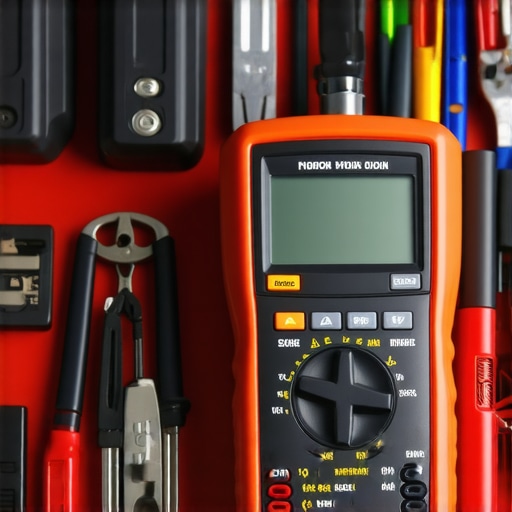
Maintaining your vehicle effectively requires more than just knowledge; it demands the right set of tools. As someone who has spent years working on my own cars and advising others, I can attest that specialized equipment not only saves time but also ensures precision, safety, and longevity. One of my favorite investments is a high-quality digital multimeter. This device allows me to diagnose electrical issues accurately, from faulty sensors to parasitic battery drains, which can be elusive without proper testing tools. For example, during a recent project, it helped me identify a leaking strut that was subtly affecting my alignment—saving me from costly tire replacements later.
Another essential tool I rely on is a
code scanner, especially the professional-grade OBD-II scan tool. These allow me to not just read and clear engine codes but also view live data, helping me investigate issues like blinking engine lights under heavy acceleration or abnormal fuel trims. I personally prefer models that interface with my smartphone, such as Bluetooth-enabled scanners, for their portability and ease of use.
Why Regular Calibration and Maintenance of Tools Matters
Over time, even the best tools can drift out of calibration, leading to inaccurate diagnostics. I make it a point to regularly calibrate my equipment. This is crucial because, for example, a miscalibrated multimeter could mislead me into replacing a healthy sensor or overlooking a genuine fault. Proper maintenance extends the lifespan of your tools and guarantees reliable results, which is vital when performing services like transmission fluid checks or brake diagnostics.
Embracing Technology for Future Repairs
The automotive world is shifting rapidly toward smarter diagnostics and robotic-assisted repairs. Fusion of AI diagnostics with traditional tools is becoming more prevalent, predicting issues before warning lights even flicker. Predictions suggest that in the next few years, tools will incorporate augmented reality overlays, guiding repairs step-by-step. As an enthusiast, I see this evolution as a way to democratize expert-level maintenance, making regular car care accessible for DIYers and professionals alike. Staying updated with new diagnostic tools now will give you a head start and keep your vehicle performing at its best.
How do I keep my car tools in top shape over time?
Simple routine practices make a big difference. Always store your tools in a dry, organized container; wipe down electronic devices after use to prevent corrosion; and periodically verify their calibration. I also recommend investing in a tool maintenance kit that includes battery testers, small lubricants, and cleaning brushes. These steps not only prolong the lifespan of your equipment but also ensure that every repair or diagnostic is as accurate as possible. Remember, the goal is dependable, long-term results—so treating your tools with care is just as important as caring for your vehicle.
In the coming years, expect the integration of advanced diagnostics to become more seamless and accessible. Staying ahead in this game means continuously upgrading your toolkit and knowledge base. My challenge to you today is to try upgrading your diagnostic scanner or calibrating your multimeter—experience firsthand how precision tools can elevate your maintenance routine and save you money in the long run.
Why I Nearly Missed the Value of Routine Maintenance
One of my deepest lightbulb moments came when I realized that skipping scheduled services isn’t just a way to save a few dollars—it’s a shortcut to unexpected costs and safety risks. Being young and eager to save time and money, I once underestimated the importance of following my vehicle’s maintenance calendar. That oversight taught me that proactive care pays dividends in the long run, preventing minor issues from becoming expensive repairs.
How Rigorous Techs Changed My Perspective
Working with skilled, ASE-certified technicians opened my eyes to the layers of significance behind each service interval. Their attention to detail, like inspecting for leaks or replacing filters, revealed how hidden problems can sneak up if neglected. This experience underscored the value of trusting experts who understand the nuances of modern cars, especially when it comes to complex systems like transmissions.
Tools and Knowledge: My Secret Weapons
Investing in quality diagnostic tools and continuously updating my knowledge base have transformed how I approach vehicle care. Having a reliable code scanner and understanding the subtleties of fluid states have helped me identify issues early, saving me money and frustration. I now see maintenance not as a chore but as a strategic step to prolong my vehicle’s life and performance.
The Hidden Cost of Overlooking Maintenance
One lesson I won’t forget is how minor delays can lead to significant breakdowns. Whether it’s a small fluid leak or worn belts, neglecting early signs often results in costly repairs and safety hazards. Staying ahead with scheduled services like the 30,000 mile check-up isn’t just about vehicle longevity—it’s about personal safety and peace of mind.
Making Vehicle Wellness a Habit
From my journey, I encourage every vehicle owner to integrate routine maintenance into their life. Regular inspections, using the right fluids, and learning to recognize warning signs empower you to take control. Remember, your vehicle’s health reflects how much you value your safety and finances. Taking the time to do it right now can prevent a much bigger headache tomorrow.
Curated Recommendations for Better Car Care
- AutoFixClinic’s Maintenance Guides: Trusted for comprehensive and easy-to-understand advice on car service, they give you the insights needed to make informed decisions about your vehicle’s needs.
- Precision Diagnostic Tools: Investing in a high-quality Bluetooth-enabled code scanner, like the ones I rely on, helps uncover hidden issues early, saving you money and stress.
- Educational Resources on Transmission Care: Books and online courses focusing on transmission health can deepen your understanding of complex systems, ensuring you don’t miss critical signs of wear or failure.
- My Personal Contact with ASE-Certified Technicians: Building a relationship with trusted professionals guarantees that your vehicle receives expert care tailored to its specifications.
Your Next Step Toward Smarter Maintenance
The journey to vehicle longevity begins with awareness and action. Embrace consistent service intervals, invest in reliable diagnostics, and seek out honest expertise. Remember, the difference between a well-maintained car and one prone to breakdowns often comes down to the small, deliberate choices you make today. Start now, and keep your engine running smoothly for miles to come.