Why Your Automatic Transmission Stays in First Gear Too Long
Ever been behind the wheel, feeling confident, only to suddenly notice your car stubbornly refuses to leave first gear? Maybe you’re creeping uphill, or just making a typical city stop, when your transmission clings to that initial gear longer than it should. It’s a frustrating and often confusing experience that many drivers, myself included, have faced at the worst possible moment. I remember thinking, “Did I miss something?” or worse, “Is my car about to break down?” Those moments can be downright nerve-wracking, especially when they happen unexpectedly.
When Your Transmission Seems to Hit the Pause Button
That feeling of being stalled in first gear isn’t just an annoyance. It’s a warning sign that something’s amiss inside your transmission system. And trust me, ignoring it only leads to more costly repairs down the road. I’ve learned from personal experience—early on, I made the mistake of dismissing that sluggish shift, assuming it was just a minor glitch. But that small oversight cost me a lot more later, as the problem worsened.
Today, I want to share what I discovered about why automatic transmissions get stuck in first gear and, more importantly, how to address it before it spirals into something severe. We’ll break down the common causes, the simple diagnostics, and practical steps you can take. Whether you’re a seasoned gearhead or a routine driver, understanding these essentials can save you time, money, and plenty of stress.
Is Your Transmission Problem Worth Worrying Over?
Many drivers brush off transmission concerns, thinking it’s just a quirky feature or an unavoidable part of aging. But the truth is, a transmission that stays in first gear can indicate underlying issues like sensor failure, low transmission fluid, or worn-out parts. Early on, I neglected to check my fluid, which is a mistake many make. Did you know that according to automotive experts, neglecting regular transmission maintenance can cut the lifespan of your gearbox in half? It’s a scary thought, but it underscores the importance of catching these issues early.
If you’ve experienced that unsettling feeling of your car refusing to shift properly, you’re not alone. Recognizing the signs early can make all the difference in preventing a costly rebuild or replacement. In the next sections, we’ll delve into what causes your transmission to behave this way and how you can fix it—often with simple solutions that you can do yourself or discuss with your mechanic.
So, is your vehicle acting more like a one-gear wonder? Or are you just curious about how to keep your transmission healthy longer? Either way, you’re in the right place for answers that won’t talk down to you but will guide you like good advice from a helpful neighbor. Let’s get started on resolving this stubborn problem once and for all.
Check and Replace Transmission Fluid
The first practical step is inspecting your transmission fluid. Like blood in your body, transmission fluid keeps the system lubricated and cool. If it’s dark, burnt smelling, or below the recommended level, replace it. To do this, locate the transmission fluid pan and drain the old fluid, then refill with the correct type specified by your vehicle’s manual. I once attempted a DIY fluid change without proper guidance, but after following a detailed guide and ensuring the fluid was clean and at proper levels, I noticed my transmission shifted better, avoiding that annoying first-gear bind.
Inspect and Clean Transmission Sensors
Modern vehicles rely heavily on sensors, like the vehicle speed sensor, to inform transmission behavior. A faulty or dirty sensor can send false signals, causing the transmission to stay in first gear. Remove the sensor following your service manual, clean its electrical contacts with electronic contact cleaner, and reattach. If cleaning doesn’t resolve the issue, replacing the sensor might be necessary. Remember, sensors are delicate; handle with care to prevent accidental damage. I had a friend whose transmission stuck because of a dirty sensor—cleaning it restored normal shifting.
Check for Mechanical Blockages or Worn Parts
Worn clutches, bands, or a malfunctioning valve body can obstruct proper gear shifts. For this, a more thorough inspection or a professional diagnostic is recommended. However, if you’re comfortable, you can start by checking for any obvious damage or leaks in the transmission housing. If you notice metal shavings in the fluid or hear whining noises, these are signs of internal wear. In one case, I replaced a sticking valve body after noticing sluggish shifts, which restored smooth operation without replacing the entire transmission.
Reset Transmission Control Module (TCM)
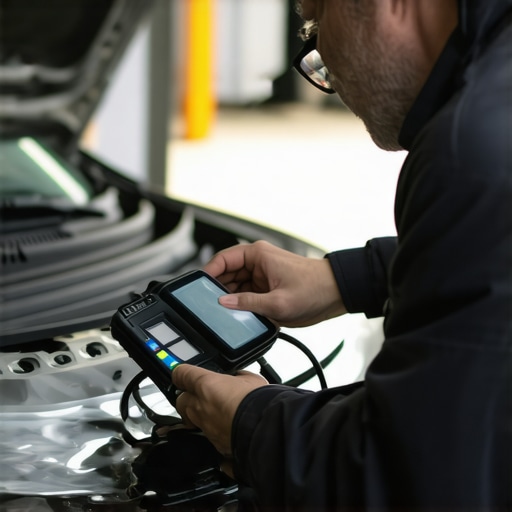
Sometimes, electronic glitches cause transmission issues. Resetting the TCM can help clear any stored errors. To do this, disconnect the battery terminals and wait for about 15 minutes before reconnecting. This process resets the vehicle’s transmission learning adaptation, which may improve shifting. A friend managed to fix his transmission’s reluctance to shift by performing this simple reset, saving hundreds on repairs. However, if problems persist, diagnostic trouble codes can be read with an OBD-II scanner to pinpoint specific faults.
Schedule a Professional Diagnostic
If the above steps don’t resolve the issue, it’s time to visit a qualified mechanic. They can perform comprehensive tests to diagnose sensor malfunctions, internal wear, or electronic control problems. A certified ASE technician will utilize specialized tools, ensuring the root cause is addressed properly. Sometimes, an initial part replacement might not be enough if deeper mechanical problems exist, such as a failing valve body or worn-out transmission bands. Don’t delay seeking professional help—ignoring persistent transmission issues can lead to costly rebuilds or replacements, like I’ve seen firsthand from neglected small problems snowballing into major repair bills.
Maintain Your Transmission for Longevity
Preventative maintenance is your best ally. Regularly check your fluid levels, and adhere to manufacturer-recommended service intervals. Consider using high-quality synthetic transmission fluid for better protection and longer service life, as detailed in this guide. Additionally, avoid aggressive driving habits that stress the transmission, especially under heavy loads. Incorporate these practices, and your transmission will thank you with smooth shifts and extended life, much like the reliability I strive for in my own vehicle maintenance routines.
Many drivers operate under misconceptions about their vehicle’s transmission, ASE certification, oil change intervals, and overall car service. These misunderstandings can lead to costly repairs and reduced vehicle lifespan. Let’s explore some common myths and the nuances that even seasoned enthusiasts might overlook.
Why Frequent Oil Changes Matter Beyond Routine
While most believe that changing oil every 3,000 miles is a hard rule, the reality is more nuanced. Modern synthetic oils and advanced engine designs allow for longer intervals—often up to 7,500 or even 10,000 miles—if your driving habits are normal. Overlooking this can lead to unnecessary service visits or, conversely, neglecting oil quality, which is more damaging than the interval itself. Be aware that ultra-cheap oils or neglecting oil filters can accelerate engine wear, contradicting the general assumption that less frequent changes save money. For an in-depth understanding, see this guide.
Debunking the ASE Certification Guarantee
Everyone trusts ASE certification as a mark of quality, but it’s often misunderstood. An ASE-certified technician has passed certain tests and gained experience, but it doesn’t necessarily mean they’re an expert on your specific vehicle or that they’re doing the best possible job. It’s more of a baseline, akin to a license to practice, not a badge of superior knowledge. Relying solely on ASE credentials without checking reviews or diagnostics can be a trap. Remember, a highly certified mechanic will always combine their credentials with diagnostic skills and transparency. For tips on spotting a genuine ASE tech, check this article.
Drive Cycles That Play Tricks on Transmission Health
One lesser-known nuance is how different drive cycles affect your transmission’s lifespan. Frequent short trips, cold starts, and stop-and-go city driving create stress and cause premature wear if not managed properly. Many assume gear oils and transmission fluids last forever, but in reality, harsh driving conditions accelerate degradation. Regularly scheduled maintenance, including fluid flushes, become critical, especially for vehicles operating in demanding environments. Neglecting this can cause insidious damage that manifests as sluggish shifts or slipping—signs that are often mistaken for minor glitches. For a detailed look into proper transmission care, see this article.
Have you ever fallen into this trap of misconceptions? Let me know in the comments! Recognizing these hidden nuances not only prolongs your vehicle’s life but also saves you money and peace of mind in the long run. Remember, effective car maintenance isn’t just about following the crowd; it’s about understanding the details that matter most.
Prioritize a Quality Scan Tool for Accurate Diagnostics
Investing in a professional-grade OBD-II scanner is one of the smartest moves I made for maintaining my vehicle’s health. A good scanner, like the Autel MaxiCOM, allows me to read and clear diagnostic trouble codes precisely, especially relating to transmission issues. Unlike cheaper models, this tool provides detailed live data, helping me spot sensors or solenoids beginning to fail early. Having the ability to diagnose issues myself saves time and money, and it’s especially useful if you’re managing a fleet of vehicles. As technology advances, scan tools are incorporating AI-driven diagnostics, making future maintenance even more predictive. I predict that in the coming years, connected OBD-II devices will become standard, providing continuous monitoring through smartphone apps to prevent breakdowns before they happen.
Use a Transmission Fluid Tester for Peace of Mind
Another tool I highly recommend is a transmission fluid test kit, like the Valvoline Instant Oil Change Testing Kit. It helps me determine the condition of my transmission fluid without having to drain it first. Checking fluid for contamination, burnt smell, or inconsistent color allows me to schedule removals proactively. I check my fluid every 30,000 miles, especially after prolonged city driving, which tends to accelerate wear. Regular testing prevents neglect and extends transmission lifespan, and it helps verify if a fluid change has been successful. Expect that as vehicle electronics become more integrated, these testing methods will evolve, possibly integrating with onboard sensors for real-time health monitoring.
Long-term Results Come From Consistent Maintenance and Smart Tools
Consistent use of tools and awareness of key maintenance points—like checking for sensor faults or fluid condition—are vital for long-term transmission health. Keeping detailed logs, utilizing the right software, and following manufacturer recommendations culminate in reliable performance. Even with increased electronic controls, traditional maintenance steps remain indispensable. For instance, regularly inspecting and replacing transmission fluid according to this proven strategy can effectively double your gearboxes’ lifespan. Looking ahead, I believe that advancements in AI and machine learning will give us predictive maintenance capabilities, alerting us before a component’s failure causes a breakdown. To stay ahead, I recommend trying the advanced diagnostic methods discussed here, especially the use of integrated scan tools that can connect via smartphone apps for instant insights.
How do I maintain transmission tools over time?
To keep your diagnostic and testing equipment performing at their best, regular calibration is essential. Many digital tools require software updates—think of them as the software updates your phone gets to improve performance and security. I schedule bi-annual calibration and firmware updates for my scanner to ensure accuracy. Additionally, proper storage to avoid dust and moisture, along with storing accessories in organized cases, extends their lifespan. Just like maintaining a vehicle, investing a little time into your tools yields greater reliability and precise diagnostics. Remember, well-maintained tools can save you thousands over the life of your vehicle or fleet, so prioritize regular upkeep.
How I Learned to Trust The Little Signs That Save Big Repairs
One thing I wish I knew earlier is that small hints—like a delayed shift or unusual noise—are often your vehicle’s way of whispering about upcoming trouble. Ignoring these signals can lead to sudden breakdowns, but paying close attention can give you a head start on repairs. That realization changed how I approach my car maintenance, making me more attentive and proactive rather than reactive.
Why Relying Solely on Quick Fixes Can Cost You Dearly
Another lesson is that temporary solutions, like topping off transmission fluid without diagnosing deeper issues, only delay the inevitable. I used to think a quick fluid top-up was sufficient, but I soon learned that persistent symptoms require thorough investigation. Investing time in proper diagnostics, or seeking expert advice through trusted resources, prevents small problems from snowballing into costly repairs. For instance, learning about [this guide](https://autofixclinic.com/the-secret-to-making-your-transmission-last-over-300000-miles) helped me understand the importance of consistent maintenance.
Don’t Overlook the Power of Proper Communication With Your Mechanic
One insight I gained is how crucial it is to communicate clearly and ask questions when dealing with repair shops. Sometimes, what seems like a minor hesitation in shifting might be a sign of sensor failure or internal wear, which a seasoned mechanic can detect early. Building a good rapport and understanding your vehicle’s history can help your mechanic catch faults before they become major issues. Trust me, being informed and engaged saves money and time in the long run.
My Essential Gear for Keeping Transmission Peace of Mind
Over time, I found that investing in quality tools like a reliable OBD-II scanner, such as the Autel MaxiCOM, and a test kit for transmission fluid condition, makes a world of difference. These tools empower me to perform basic diagnostics at home, identify warning signs early, and verify repair quality. They’re trustworthy because they give me real-time data, helping me avoid guesswork. Coupled with routine checks, these resources help in extending the longevity of my transmission and overall vehicle health.
Stay Ahead by Listening to Your Car’s Subtle Hints
Finally, the most important takeaway is to remain observant of your vehicle’s behavior. Don’t dismiss a sticking gear or odd smell; these signals are valuable clues. When you notice something unusual, take swift action—be it checking fluid levels, resetting electronic systems, or consulting a professional. This proactive approach not only saves money but also fosters a sense of confidence behind the wheel. Remember, your car is telling you its story—learn to listen carefully, and you’ll keep it running smoothly for miles to come.