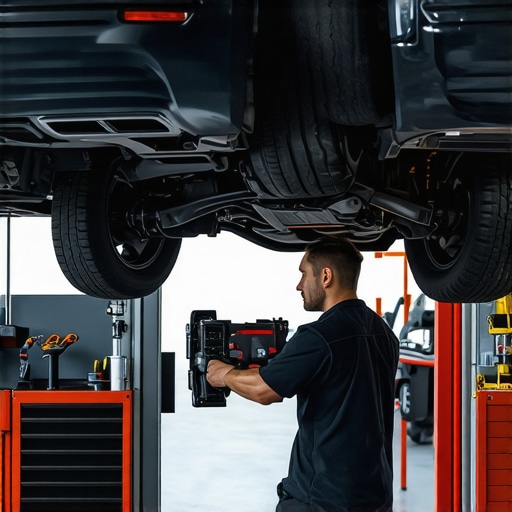
My Personal Journey into Transmission Care: Why It Matters More Than You Think
Like many car enthusiasts, I used to overlook transmission maintenance until I faced a costly repair that made me rethink everything. One day, my vehicle started slipping gears, and I knew I had to act fast. That experience taught me that understanding transmission repair and maintenance is crucial for vehicle longevity and safety.
What Exactly Is Transmission Maintenance and Why Is It Essential?
Transmission maintenance involves regular checks and servicing of your vehicle’s transmission system, which is responsible for transferring power from the engine to the wheels. Neglecting this can lead to issues like slipping, overheating, or complete failure. As I learned from trusted sources like expert ASE guides, proactive maintenance can prevent costly repairs.
How Do I Spot the Signs of Transmission Trouble?
In my experience, early signs include delayed gear shifts, strange noises, or fluid leaks. If you notice any of these, it’s wise to consult a professional. Regular transmission fluid checks, which I perform every 30,000 miles, are vital. Proper fluid levels ensure smooth operation and extend your transmission’s lifespan.
What Are the Best Practices for Transmission Maintenance in 2024?
Should I Just Go for a Transmission Flush or Opt for a Fluid Change?
This question often comes up among car owners. Based on my research and advice from ASE-certified technicians, a simple transmission fluid change can be more beneficial than a full flush unless there’s significant contamination. Check out top transmission oil change tips for detailed guidance.
Additionally, regular inspections and timely repairs are crucial. Using high-quality transmission fluid recommended by your vehicle’s manufacturer can make a real difference. When in doubt, I always prefer professional service providers who follow the latest ASE standards for trustworthy maintenance.
How Can I Ensure My Transmission Remains Healthy for the Long Term?
Preventive care is key. This includes avoiding aggressive driving, ensuring proper cooling, and scheduling routine check-ups with certified technicians. My personal experience shows that staying ahead of minor issues prevents major breakdowns. Remember, a well-maintained transmission not only improves performance but also saves you money in the long run.
What Do Experts Say About the Future of Transmission Maintenance?
According to industry leaders, advancements in transmission technology and diagnostics mean that routine maintenance will become even more precise and efficient. Keeping up with the latest tips from ASE-certified experts can help you navigate these changes confidently.
If you’re interested in diving deeper into transmission care, I highly recommend exploring comprehensive guides and consulting with certified professionals. Feel free to share your own experiences or questions below — we’re all learning together!
Innovative Diagnostic Tools: How Are They Changing Transmission Care?
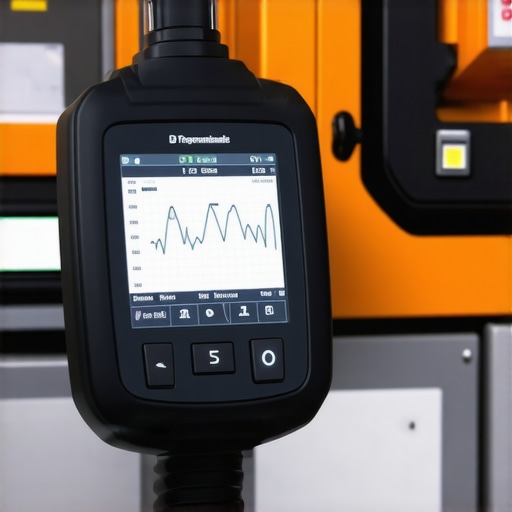
One of the most exciting developments in transmission maintenance is the integration of advanced diagnostic tools. These devices allow certified technicians to detect subtle issues before they escalate, ensuring your transmission remains in peak condition. Technologies like real-time data analysis and computer-assisted diagnostics have revolutionized the way we approach routine checks, making preventive care more accurate and less invasive.
What Are the Practical Benefits of Using High-Tech Diagnostics?
Using state-of-the-art diagnostic equipment provides several advantages: early fault detection, precise fluid condition assessment, and tailored maintenance plans. For instance, some diagnostics can measure transmission fluid temperature and viscosity instantaneously, providing insights that were once only obtainable through extensive manual testing. This proactive approach reduces downtime and prevents costly repairs, aligning with the best practices recommended by trusted ASE guides.
How Do Transmission Fluids Evolve in 2024?
The formulation of transmission fluids continues to advance, with newer synthetic blends offering enhanced thermal stability, better lubrication, and longer service intervals. These improvements mean that a careful choice of fluid, as advised by your vehicle’s manufacturer and trusted ASE-certified technicians, can significantly extend transmission life. I’ve seen firsthand how switching to high-quality fluids, following expert guidance, has improved transmission performance and reliability, especially in high-stress driving conditions.
Are There Hidden Risks in Overlooking Transmission Maintenance?
Absolutely. Many car owners underestimate the importance of routine checks, assuming that low or dirty fluid isn’t a big deal. However, neglecting such maintenance can lead to overheating, increased wear, and eventual failure. For example, contaminated or degraded fluid can cause slipping gears and erratic shifts, which might seem minor initially but can escalate into major repairs. Trustworthy sources like expert ASE advice emphasize that consistent maintenance is the cornerstone of reliable vehicle operation.
What Are the Best Long-Term Strategies for Transmission Health?
Beyond routine fluid changes, adopting driving habits that reduce stress on the transmission is key. Avoiding aggressive acceleration, ensuring your cooling system functions properly, and scheduling regular inspections with ASE-certified professionals can make a difference. Additionally, staying informed about new maintenance techniques and updates in transmission technology helps you stay ahead of potential issues, ensuring your vehicle remains dependable for years to come.
How Can I Engage More with Transmission Maintenance Experts?
Building a relationship with a trusted mechanic who stays current with the latest industry standards is invaluable. Many professionals now offer digital diagnostics and personalized maintenance plans tailored to your driving style and vehicle model. For those eager to deepen their knowledge, I recommend exploring expert blogs and guides, such as the comprehensive resources available at trusted ASE-certified guides. Sharing your experiences and asking questions in online forums can also provide practical tips and community support.
Embracing Complexity: My Evolution in Transmission Maintenance
Reflecting on my journey from basic oil changes to mastering advanced transmission care, I realize how much depth there is beyond routine checks. It’s one thing to follow the standard advice, but truly understanding the nuances—like the impact of driving habits on transmission longevity or the subtle signs of early internal wear—has transformed my approach. This deeper engagement often requires me to think like a mechanic, analyzing patterns and trusting my intuition, which is developed through experience and continuous learning.
The Nuances of Transmission Fluid Formulation in 2024
In recent years, I’ve delved into the evolving chemistry of transmission fluids. Synthetic blends now incorporate advanced polymers that adapt to thermal fluctuations, reducing viscosity breakdown during high-stress conditions. This means that choosing the right fluid isn’t just about brand or viscosity; it’s about understanding how these formulations interact with your vehicle’s specific transmission system. For example, some high-performance vehicles benefit from low-viscosity fluids that enhance shifting smoothness without compromising protection. Keeping abreast of these developments, as detailed in expert sources, has allowed me to make informed decisions that extend my transmission’s life.
How Do I Balance Preventive Care with Reactive Repairs?
I’ve learned that proactive maintenance, like fluid changes and inspections, must be complemented by a readiness to address issues as they arise. Sometimes, despite meticulous care, minor anomalies—such as slightly delayed shifts or occasional slipping—can occur. Recognizing these signs early, I consult trusted ASE-certified professionals and avoid dismissing them as trivial. This balance between prevention and prompt intervention helps prevent minor problems from escalating into major failures, a strategy supported by industry-leading guides.
What Advanced Diagnostics Have I Found Most Effective?
Modern diagnostic tools, such as real-time data analysis systems, have revolutionized how I monitor transmission health. These devices can detect micro-level fluctuations in fluid temperature, pressure, and viscosity, providing insights that manual checks might miss. For instance, I recently used a device that analyzed transmission fluid’s viscosity on the spot, revealing early signs of wear before any symptoms appeared. Incorporating these tools, recommended by top ASE experts, allows me to tailor maintenance schedules precisely, reducing downtime and repair costs.
Integrating Knowledge and Practice: My Personal Strategy
Combining the latest industry insights with my hands-on experience, I’ve developed a personalized maintenance routine. It includes regular fluid analysis, avoiding aggressive driving styles, and scheduling professional inspections aligned with vehicle usage patterns. This holistic approach helps me stay ahead of potential issues, ensuring my transmission remains reliable and efficient over the long haul. Sharing my journey, I encourage fellow enthusiasts to adopt a mindset of continuous learning and proactive care, leveraging expert resources to deepen their understanding.
Invitation for Community Engagement
If you’ve experienced similar challenges or have insights into advanced transmission maintenance techniques, I invite you to share your stories. Connecting with a community of informed car owners enriches our collective knowledge and helps us all keep our vehicles in peak condition. For further reading, exploring comprehensive guides and consulting trusted ASE-certified professionals can provide the nuanced understanding necessary for sophisticated transmission care, as highlighted in expert articles.
Deciphering the Intricacies of Modern Transmission Fluids in 2024
Over the years, my fascination with transmission technology has deepened as I delved into the chemistry behind synthetic blends and their impact on vehicle performance. Today’s transmission fluids are no longer just simple lubricants; they are sophisticated formulations designed to withstand extreme thermal cycles and reduce internal wear. For instance, high-performance synthetic fluids now incorporate advanced polymers that adapt dynamically to temperature fluctuations, ensuring consistent viscosity and protection. This evolution means that selecting the right fluid, based on detailed specifications and expert guidance, is vital for maximizing transmission lifespan. I often refer to industry-specific studies and manufacturer data to inform my choices, as highlighted by top transmission oil change tips.
Balancing Preventive Maintenance with Technological Advancements
My journey has shown that proactive transmission care involves more than routine fluid changes; it requires integrating cutting-edge diagnostic tools into regular maintenance routines. Real-time data analysis devices, like those used by ASE-certified technicians, can detect micro-level anomalies—such as slight viscosity changes or temperature inconsistencies—that precede more obvious failures. This proactive approach allows me to schedule targeted interventions before symptoms manifest, preserving my transmission’s integrity. Embracing these advanced diagnostics aligns with the latest recommendations from industry leaders, ensuring that maintenance adapts to technological progress rather than lagging behind.
What Are the Hidden Risks of Neglecting Transmission Diagnostics?
Neglecting to incorporate modern diagnostic technology can lead to overlooked issues, which might only surface when significant damage has occurred. For example, contaminated or degraded fluid, unnoticed by traditional checks, can cause overheating and internal wear, ultimately resulting in costly repairs or replacements. The risk amplifies in high-stress driving environments or when towing heavy loads. According to expert ASE advice, integrating sophisticated diagnostics is crucial for early fault detection and informed decision-making. I encourage fellow enthusiasts to explore these tools, as they offer invaluable insights into transmission health that manual inspections alone cannot provide.
How Can Personal Experience Inform Cutting-Edge Transmission Maintenance?
My personal narrative is a testament to the power of continuous learning and technological integration. By combining insights from trusted sources with hands-on application, I’ve developed a nuanced maintenance routine that includes regular fluid analysis, adaptive driving behaviors, and scheduled professional diagnostics. This holistic approach helps me preempt issues and optimize my vehicle’s performance. Sharing my journey, I invite others to explore advanced maintenance techniques and leverage expert resources, such as trusted ASE-certified guides, to deepen their understanding and ensure longevity for their transmissions.
How Do Industry Innovations Shape Future Transmission Care?
Industry leaders predict a future where transmission diagnostics become even more integrated with vehicle systems, utilizing AI and machine learning for predictive maintenance. These innovations promise unprecedented precision, enabling preventive measures before issues escalate. For example, predictive analytics can forecast wear patterns based on driving habits and environmental conditions, allowing for personalized maintenance schedules. Staying informed about these developments, as advised by industry experts, empowers me to adapt my practices and embrace a proactive maintenance ethos that aligns with technological evolution.
Engaging with the Transmission Maintenance Community
My journey highlights the importance of community and shared knowledge. Engaging with online forums, reading expert blogs, and consulting trusted professionals has enriched my understanding and provided new perspectives on transmission care. I encourage readers to share their experiences and questions, fostering a collaborative environment where continuous learning thrives. Exploring comprehensive guides and leveraging expert insights can significantly enhance your maintenance regimen, ensuring your vehicle remains reliable and efficient for years to come.
Things I Wish I Knew Earlier (or You Might Find Surprising)
1. The Hidden Power of Fluid Quality
When I first started paying attention to my transmission, I underestimated how much the quality of transmission fluid affects performance. Switching to a high-quality synthetic blend made a noticeable difference in smoothness and responsiveness, which I only realized after reading trusted sources like top transmission oil change tips. It taught me that investing in the right fluid is a simple yet powerful step.
2. Routine Checks Are Your Best Friend
I used to ignore small signs like minor gear slippage or slight delays in shifting, thinking they weren’t urgent. But I learned that early detection through regular fluid checks and inspections can prevent costly repairs later. This proactive mindset, supported by trusted ASE guides, keeps my transmission in top shape and saves me money.
3. Not All Flushes Are Created Equal
Initially, I thought a transmission flush was always the best option. However, I discovered that a simple fluid change is often more beneficial unless there’s heavy contamination. This nuance, clarified by experts, helped me choose smarter maintenance options, avoiding unnecessary procedures.
4. The Future Is Tech-Enabled
Modern diagnostic tools, like real-time data analyzers, have transformed how I monitor my transmission’s health. These devices help detect micro-issues before they escalate, making preventive maintenance more accurate and less invasive. Exploring these tools, recommended by industry leaders, has been a game-changer for me.
5. The Chemistry of Fluids Matters
Understanding how synthetic blends are formulated for thermal stability and wear protection has deepened my appreciation for choosing the right transmission fluid. It’s not just about brand but about how the formulation interacts with my vehicle’s specific needs, as explained in expert articles and studies.
6. Balance Between Prevention and Action
I’ve learned that combining routine preventive measures with prompt action on emerging issues creates a robust maintenance routine. Recognizing subtle signs early, like slight noises or shifting irregularities, and consulting trusted professionals, keeps my transmission healthy over the long haul.
Resources I’ve Come to Trust Over Time
1. ASE Certified Guides — These comprehensive resources have helped me understand the nuances of transmission maintenance and make informed decisions. I highly recommend exploring their detailed insights.
2. Industry-Leading Diagnostic Tools — Investing in or consulting with professionals who use real-time data analyzers has improved my ability to catch issues early and maintain my transmission proactively.
3. Manufacturer Technical Sheets — These documents provide specific fluid formulations and maintenance schedules tailored to my vehicle, ensuring I follow expert-backed guidelines.
Parting Thoughts from My Perspective
Reflecting on my journey, I realize that understanding and caring for your transmission is an ongoing process that combines knowledge, technology, and good habits. Staying informed through trusted resources and embracing technological advances like diagnostics can greatly extend your transmission’s lifespan. If this resonates with you, I’d love to hear your thoughts or experiences. Sharing our stories helps us all learn and keep our vehicles running smoothly for years to come. Feel free to drop your comments or questions below!
![4 Transmission Shifts You Should Never Ignore in 2026 [ASE Advice]](https://autofixclinic.com/wp-content/uploads/2026/04/4-Transmission-Shifts-You-Should-Never-Ignore-in-2026-ASE-Advice-1.jpeg)

James Anderson
Reading through this detailed guide really made me reflect on my own transmission maintenance habits. I used to think that just topping off fluid was enough, but after experiencing a minor slip in shifting that turned into a costly repair, I now realize the importance of proactive checks and professional diagnostics. The evolution of transmission fluids with advanced polymers is fascinating; it shows how technology keeps advancing to improve vehicle longevity. I’m curious, have others here tried integrating real-time data analysis tools into their maintenance routine? I’d love to hear how those experiences went and if they truly helped in catching issues early. For me, investing in better diagnostic technology seems like a no-brainer moving forward, especially with the potential to avoid major breakdowns. What are your thoughts on balancing high-tech diagnostics with traditional preventive maintenance? Looking forward to learning more from everyone’s experiences.
Rachel Morgan
This post really resonates with me, especially the emphasis on proactive diagnostics and using modern tools to prevent transmission issues. I had a similar experience where ignoring subtle signs like delayed shifts almost led to a costly repair. Since then, I’ve started using a diagnostic scanner when I do routine maintenance, and honestly, it’s been a game-changer. It helps me catch minor irregularities early and saves me from surprises later on. Your point about the evolution of transmission fluids is also interesting; I’ve switched to synthetic blends based on expert recommendations, and I’ve noticed better shifting smoothness and cooler operation in my vehicle.
That said, for some DIY enthusiasts, what are some reliable low-cost diagnostic tools that can provide meaningful insights without breaking the bank? Also, how often do you recommend using these tools to stay ahead of potential problems? I think blending technology with good driving habits and regular checkups is the best approach today. Would love to hear others’ experiences on maintaining transmission health long-term and integrating tech into routine care.
Samuel Carter
I really appreciate this detailed post. It’s inspiring to see how your experience transformed your approach to transmission care. I completely agree that early signs like delayed shifting and strange noises shouldn’t be ignored — catching them early can save a lot of money and hassles. Personally, I’ve experimented with some affordable diagnostic tools for my car, like OBD2 scanners, and they’ve helped me identify small issues before they become major problems. For someone new to this, do you have recommendations on the best budget-friendly diagnostics that still offer reliable insights? Also, I find that integrating tech with regular maintenance routines—such as fluid checks and avoiding aggressive driving—really improves longevity. For those who may hesitate to get professional diagnostics often, what’s your take on balancing DIY checks with expert inspections? Thanks for sharing your journey; it’s motivated me to be more proactive with my transmission health.
Michael Harris
Reading about the journey into transmission care really hit home for me. My first experience with transmission issues was a minor slipping problem that I ignored, thinking it was just a small glitch. That neglect eventually led to a costly rebuild. Since then, I’ve been much more diligent, especially with fluid checks and diagnostics. What caught my attention was the emphasis on advanced diagnostic tools; I recently invested in a mid-range OBD2 scanner that helps me monitor transmission health in real time. It’s amazing how early detection through modern technology can prevent major failures. However, I wonder if there’s a threshold where moderate issues become worth addressing immediately, or if regular routine maintenance can always catch problems early enough? I’d love to hear what others think about balancing tech-based diagnostics with traditional maintenance—what protocols work best for you? Overall, I agree that ongoing learning and tech adoption are key to extending the lifespan of our transmissions.