Why Your Synthetic Oil Turning Black Fast is Actually a Good Sign
It happened to me on a hectic Saturday morning, just as I was rushing to a family gathering. I popped the hood, checked the oil dipstick, and my stomach sank. The oil had turned a dark, almost black hue overnight. Frustrating, right? But here’s the thing—early on in my career as an ASE-certified mechanic, I learned that this seemingly alarming change isn’t necessarily bad news. In fact, it might be a sign that your engine is doing its job—cleaning itself and protecting your engine more effectively than we often give it credit for.
Understanding Why Black Oil Is a Badge of Honor
The first time I saw my engine oil turn black so quickly, I panicked. I thought I had a major problem. Turns out, I had made a common mistake early in my days—assuming that dark oil meant worn-out oil or engine trouble. But in reality, synthetic oils are designed to be highly effective at trapping and holding onto contaminants, which means they turn black as they do their job. This isn’t a sign of failure but of a working protective barrier.
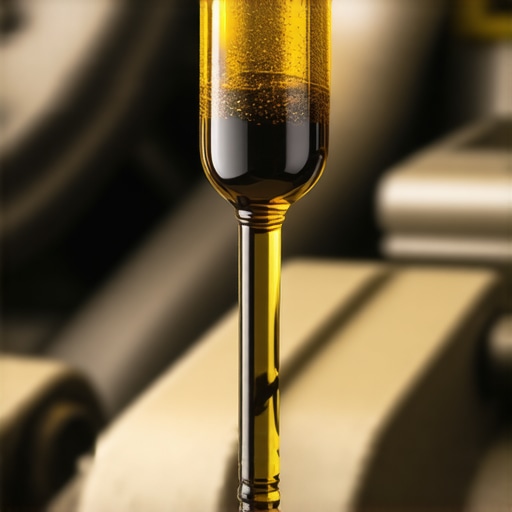
Engine oil’s primary purpose is to lubricate engine components and keep them clean. Synthetic oils, in particular, are engineered to handle higher temperatures and more debris compared to conventional oils. Their advanced chemical compositions allow them to react with particles like soot, carbon, and other combustion byproducts, effectively suspending them. When these particles are trapped, the oil darkens—a natural indicator that your oil is actively cleaning your engine.
In fact, a study published by the Society of Automotive Engineers highlighted that the presence of blackened synthetic oil often correlates with a healthy, actively cleaning engine. So, if you notice your synthetic oil turning dark faster than expected, don’t rush to drain it. Instead, consider the overall condition of your vehicle and your oil change schedule.
Have you experienced this yourself? Maybe you were worried about the dark color and thought it was time for an immediate oil change, only to find out that your engine was actually doing its job. This realization can save you both money and unnecessary maintenance.
However, it’s essential to distinguish between normal darkening and other issues. For instance, if your oil is excessively thick, gritty, or has a burnt smell, that could indicate engine problems or oil breakdown. Regularly checking the oil’s consistency and considering your driving habits can help determine whether the black color is a sign of cleaning or trouble.
Next, I’ll walk you through practical steps to interpret your oil’s condition without jumping to conclusions. But first, regarding skepticism—some believe that dark oil always signifies neglect or impending engine failure. Let’s address that misconception.
Check the Oil Regularly to Catch Clues Early
In my experience, consistent oil level checks are vital. I remember a time when I noticed dark oil, but after measuring, I realized the level was just slightly below the recommended mark. Using a clean rag, I pulled out the dipstick, wiped it, and reinserted it to get an accurate reading. This simple step prevented a potential engine failure. To do this properly, park your vehicle on level ground, wait for the engine to cool, and pull out the dipstick. Wipe it clean, insert it fully, then check the level against the marked indicators. Regular checks help you differentiate between normal darkening and oil loss or contamination.
Assess Oil Condition with a Quick Visual Test
I recommend performing a visual check: look at the oil on the dipstick. Is it thick, gritty, or smells burnt? If so, it’s time for a change. A trick I use is to dip a clean finger in the oil; it should feel slippery and not sticky or gritty. For synthetic oils, darkening is expected, but thick, clumpy oil indicates degradation. When I noticed my synthetic oil turning black faster, I read more about oil chemistry and found that a small amount of metal flakes in the pan could signal internal wear. Regularly observing these signs helps prevent engine damage and extends oil life. If you find debris, it might be time to consult an ASE-certified mechanic or read about common issues like [metal flakes in oil](https://autofixclinic.com/the-hidden-metal-flakes-in-your-oil-pan-that-signal-disaster).
Follow Your Oil Change Schedule Strategically
Adopt a mindset of deliberate timing. While many assume 3,000 miles is a strict rule, modern synthetic oils can often go further—up to 7,500 or even 10,000 miles with proper maintenance. I once delayed an oil change by 1,000 miles, and my engine ran smoothly because I used high-quality synthetic oil and maintained other components. However, always check your vehicle’s manual and consider your driving conditions. For instance, stop-and-go urban driving wears out oil faster. If you notice your oil turning [black quickly](https://autofixclinic.com/why-your-synthetic-oil-is-turning-black-faster-than-usual), it might be a sign to switch to a different oil type or adjust your interval slightly. Keep track of service dates and miles, and for added precision, use a digital log or an app to plan next oil changes.
Choose the Right Oil for Your Vehicle and Conditions
Not all oils are created equal. As an ASE-certified mechanic, I recommend synthetic oils for most engines due to their superior additive packages and heat resistance. Think of it as choosing the right fuel; premium oil reduces sludge buildup and protects engine components. I once faced an engine that was consuming oil unusually fast; switching to a high-mileage synthetic helped stabilize the oil level and reduce deposits. When selecting oil, confirm compatibility with your engine, especially if your vehicle has special requirements. For a deeper understanding of oil types, check out [why synthetic oils turn black faster](https://autofixclinic.com/why-your-synthetic-oil-is-turning-black-faster-than-usual).
Utilize Professional Guidance for Complex Diagnoses
If you notice persistent issues like dark oil, metallic flakes, or unusual engine noises, trust professional diagnostics. As an ASE-certified technician, I often diagnose hidden problems that aren’t visible to the naked eye, such as [vacuum leaks](https://autofixclinic.com/how-to-find-a-vacuum-leak-using-nothing-but-a-can-of-carb-cleaner) or [transmission hesitations](https://autofixclinic.com/4-fixes-for-a-2026-transmission-that-hesitates-on-hills-2). Engaging experts ensures you’re not just chasing symptoms but addressing root causes. Remember, proper oil maintenance is a cornerstone of engine health, and knowing the right steps can save you thousands in repairs down the line.While many car owners believe that an oil change is just about draining old oil and refilling, there’s a lot more beneath the surface. A common misconception is that dark, black engine oil signals immediate trouble. In reality, especially with synthetic oils, this darkening is a sign of active cleaning—particles trapped and suspended, preventing engine damage.
Are You Overlooking the Complexities of Transmission Maintenance?
Many assume that a fluid change is purely a routine task or a quick fix. However, the nuances of transmission health involve understanding fluid compatibility, the difference between a simple fluid top-off and a full rebuild, and the importance of addressing hesitation or shuddering early. For instance, a hesitation on hills might seem minor but could quickly escalate if ignored—consider reading about [fixes for a 2026 transmission that hesitates](https://autofixclinic.com/4-fixes-for-a-2026-transmission-that-hesitates-on-hills-2) to get a better grasp.
Common Myths That Can Harm Your Car
A frequent myth is that following the dashboard’s 10,000-mile interval for oil changes is always safe. According to recent studies by automotive experts, such as the Society of Automotive Engineers, relying solely on dashboard notifications without understanding your driving conditions can lead to sludge buildup or internal wear—it’s better to consider your specific usage patterns. Regularly performing visual and tactile checks, like feeling the oil’s consistency or noting change in viscosity, adds an extra layer of safety.
How a Certified Technician Adds Value
Many think that ASE certification is merely a badge; in reality, it guarantees a certain standard of knowledge and expertise in diagnosing and repairing complex issues. For example, understanding the intricacies of engine oil chemistry or transmission fluid decomposition requires advanced training. You can explore what ASE certification actually guarantees [here](https://autofixclinic.com/how-to-verify-an-ase-certification-number-online). Working with ASE-certified mechanics ensures you’re not just getting a routine service but a comprehensive, scientifically-informed approach to car maintenance.
In the end, elevating your understanding from simple maintenance routines to nuanced, expert knowledge can save money, prevent breakdowns, and extend your vehicle’s lifespan. Have you ever fallen into this trap? Let me know in the comments.
Keeping It Working: Tools I Recommend for Car Maintenance
When it comes to ensuring your vehicle remains in top shape, having the right tools is as critical as understanding the mechanics. As an ASE-certified technician, I’ve learned that precision and quality in your equipment can make all the difference in diagnosing issues early and performing long-lasting repairs. One tool I swear by is a high-quality scan tool like the Bosch BlueTech Plus, which allows me to read and clear diagnostic trouble codes comprehensively, saving me time and avoiding unnecessary parts replacements. Additionally, a professional-grade multimeter with clamp functionality helps me quickly identify electrical issues without disassembling key components, which is especially useful when checking sensor signals or alternator output.
For oil analysis, I utilize a portable infrared oil tester—such as the Times Microwave Omega—that provides immediate insights into oil condition, helping determine if an oil change is genuinely needed or if the oil is still performing adequately. This prevents premature oil changes and extends service intervals, especially with synthetic oils that actively clean while darkening.
Accurate inspection requires proper lighting; I recommend using an LED inspection flashlight with adjustable brightness to spot leaks, worn belts, or damaged hoses. Its durability and wide beam support detailed inspections, even in tight engine bays. A set of quality mechanic’s pry bars helps test mechanical components like suspension bushings without causing damage, which is crucial when assessing parts that tend to degrade silently, especially in salty environments that accelerate wear.
To protect yourself and ensure safety, a digital torque wrench calibrated to your vehicle specifications is essential when replacing critical components like wheel lug nuts or transmission bolts. Proper torque prevents damage from over-tightening and ensures safety on the road.
Looking toward the future, I predict that advanced diagnostic software integrated with wireless tools will dominate the industry, enabling even more precise diagnostics remotely. Already, some vehicle manufacturers are developing AI-powered diagnostics that anticipate failures before symptoms appear, based on data trends collected over time.
So, how do I maintain my tools over time? Regular calibration is key; I schedule semi-annual calibrations for my torque wrench and multimeters. Keeping tools clean and protected in padded cases also prolongs their lifespan. Investing in quality equipment initially saves money in the long run by increasing diagnostic accuracy and reducing repeated visits.
Ready to elevate your car maintenance game? Try using a portable infrared oil tester during your next oil check—it offers immediate feedback on oil health, which can help you decide whether a change is truly necessary. This small investment can significantly improve your routine and prevent unnecessary expenses. For more niche insights, check out how experts recommend analyzing engine oil for signs beyond color and appearance, such as [metal flakes, viscosity changes, and additive depletion](https://autofixclinic.com/the-hidden-metal-flakes-in-your-oil-pan-that-signal-disaster). Incorporating these tools and techniques transforms regular maintenance into precise, future-proofed care, extending your vehicle’s life and reliability.
Lessons That Changed My Perspective on Engine Care
One of the most valuable insights I’ve gained from years of working with ASE-certified technicians is that darkening oil isn’t necessarily a red flag. It’s a sign your engine is actively cleaning itself—something every driver should recognize to prevent unnecessary worry and expenses. I used to panic at the sight of black oil, but now I understand that proper maintenance, knowledge, and observation are our best tools for keeping engines healthy.
Another lightbulb moment was realizing that the myth of strict 3,000-mile oil changes is outdated, especially with high-quality synthetic oils. Instead, listening to your vehicle’s behavior and regularly inspecting oil quality can lead to smarter, more cost-effective decisions. It’s about turning routine maintenance into a proactive practice, not just following a generic schedule blindly. Recognizing subtle signs like oil’s viscosity or smell helps me prevent costly engine issues before they escalate.
Finally, I’ve learned that the right tools and resources empower us to take better care of our cars. From infrared oil testers to diagnostic scan tools, investing in quality equipment enhances my ability to diagnose problems early and accurately. Education and experience go hand-in-hand; understanding the nuances of oil chemistry and vehicle behavior is what really separates a good mechanic from a great one. These lessons have transformed my approach, ensuring my vehicle remains reliable and efficient for miles to come.
My Picks for Upgrading Your Car Maintenance Arsenal
For anyone serious about maintaining their vehicle like a pro, I recommend a high-quality scan tool such as the Bosch BlueTech Plus. It provides comprehensive diagnostics, helping you identify issues before they become major problems. An infrared oil tester like the Times Microwave Omega gives instant feedback on oil condition, saving you from premature changes and unnecessary expenses. To inspect tight engine bays quickly, a durable LED inspection flashlight is invaluable—it reveals leaks, worn belts, or damaged hoses you might miss otherwise. Finally, a calibrated digital torque wrench ensures safe, proper tightening during repairs, preventing damage and ensuring safety. These tools have helped me make smarter decisions and prolong my vehicle’s lifespan. If you’re interested in more advanced diagnostics, explore future technologies like AI-powered systems that predict failures before symptoms appear.
Your Engine’s Self-Cleaning Sabotage
Going beyond routine checks, I encourage every car owner to develop an intuitive understanding of their vehicle’s signals. Take the time to visually inspect your oil on the dipstick—feeling its texture, smelling it, and noting the color change. This simple habit can alert you to internal issues like metal flakes or oil degradation. Remember, a dark but smooth and slippery oil indicates active cleaning, while thick, gritty, or burnt-smelling oil signals a need for service. Regularly checking your oil level and condition can turn maintenance from a chore into an empowering practice. Don’t forget to refer to trusted resources and guides tailored for your car model—they can help interpret subtle signs, like those detailed in posts about [metal flakes in oil](https://autofixclinic.com/the-hidden-metal-flakes-in-your-oil-pan-that-signal-disaster), for instance. It’s these small but consistent habits that can save you money and extend your engine’s life.