
Why Your Fleet Engines Fail Early Despite Regular Maintenance
It was a typical Monday morning when I stared at the engine bay of my fleet vehicle, frustration bubbling up. Despite sticking to the scheduled oil changes, fluid top-offs, and routine inspections, the engine decided to give up the ghost before its time. That sinking feeling? I bet you’ve been there too—pouring money into maintenance only to watch your engines sputter and die unexpectedly. It’s like playing a game where the rules keep changing.
Facing the Unexpected: When Routine Checks Don’t Prevent Early Engine Failures
Over the years, I learned that regular maintenance isn’t always a silver bullet. Sometimes, engines fail early because there’s more lurking beneath the surface—hidden issues that standard checks just don’t catch. It’s a lightbulb moment I wish I’d had earlier: maintenance routines are vital, yes, but they need to be perfectly tailored and executed with insight into what really causes engine wear.
Is Routine Maintenance Enough, or Are We Missing Something?
Early on, I made the mistake of trusting the traditional approach blindly. I thought sticking to oil change schedules and fluid replacements was enough. Turns out, I overlooked the importance of targeting specific engine wear signs and understanding the unique needs of fleet engines. Did you know that even high-quality synthetic oil can wear out faster if the right filters or additives aren’t used? A surprising fact supported by automotive studies indicates that neglecting these factors can lead to engine failure much sooner than expected (more on synthetic oil secrets here).
In this post, I’ll share practical insights and real-world tips to help you catch early warning signs, optimize your maintenance routines, and extend your fleet engines’ lifespan. Because, honestly, understanding these hidden factors could save you thousands in repair costs and downtime.
Have you experienced your fleet engines failing despite regular upkeep? Drop a comment—I’d love to hear your story and maybe help you troubleshoot.
Inspect Beyond the Surface with Advanced Diagnostics
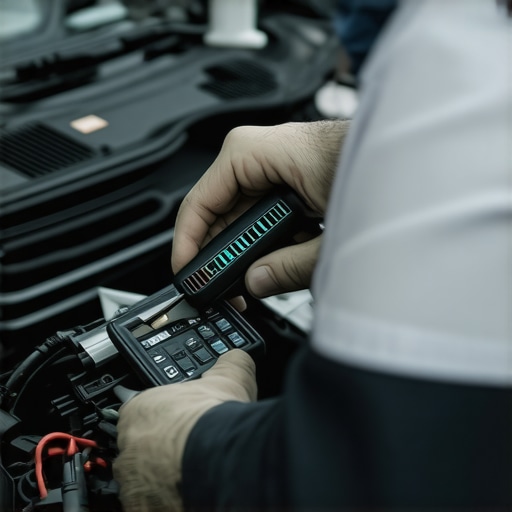
Start by incorporating diagnostic tools that target specific engine components. For example, utilize an OBD-II scanner to detect hidden fault codes that standard visual inspections might miss. I remember the time I used a diagnostic scanner on a fleet vehicle showing no apparent issues; it revealed a misfire code linked to failing spark plugs. This early detection allowed me to replace the parts proactively, preventing a major engine breakdown later.
Use Targeted Tests to Detect Hidden Wear
Conduct specific tests like compression checks or leak-down tests to assess internal engine health. These tests are akin to a doctor ordering an MRI rather than just a routine blood test—they uncover underlying problems before they manifest visibly. Once, I performed a compression test on an engine exhibiting slight performance dips. The results showed uneven cylinder pressure, prompting an urgent overhaul that likely saved thousands in repairs.
Implement Precise Fluid Management Procedures
Proper fluid maintenance is vital. Always verify your oil’s viscosity and condition using recognized tests. For instance, if your oil appears overly thin or dark, it might be low-vi Synthetic oil. Regularly replace transmission fluid, especially in older fleet vehicles, to avoid slipping or delayed gear engagement. I once followed a strict fluid change schedule and noticed a smooth transmission operation, significantly extending its lifespan. Learn to identify signs of low-viscosity wear through [this guide](https://autofixclinic.com/is-your-2026-oil-too-thin-5-signs-of-low-viscosity-wear).
Don’t Overlook the Cooling System and Filters
Engine heat accelerates wear; inspect cooling systems and replace filters regularly. Dirty filters can cause oil starvation, akin to choking a vital organ. I once neglected filter changes, resulting in increased engine temperature and premature wear. Consistent replacement, guided by engine temperature monitoring and visual checks, ensures optimal operation. Details on choosing correct filters can be found in [this article](https://autofixclinic.com/why-2026-bio-synthetic-oil-fails-without-this-specific-filter-2).
Monitor Critical Components Through Regular Checks
Focus on components like belts, hoses, and sensors that silently degrade. Use visual inspections coupled with performance tests—like checking for unusual vibrations or sluggish responses. I discovered a worn serpentine belt during a routine check, which, if left unnoticed, could have caused a sudden engine failure. Routine inspections are your first line of defense in catching these silent killers.
Keep Records and Schedule Preventive Maintenance
Document every check, repair, and part replacement. Avoid the temptation to delay services—think of this as a health journal for your engine. Proper record-keeping helped me identify patterns indicating early wear signs, enabling timely interventions that saved costly repairs. Follow a schedule tailored to your engine model and driving conditions for maximum effect.
Leverage Expert Knowledge for Complex Issues
Whenever in doubt, consult a certified ASE technician and ask targeted questions. For example, inquire about the specific signs that indicate transmission fluid needs replacement, or how to interpret subtle engine noises. My experience trading insights with an ASE-certified mechanic uncovered critical issues that typical tests overlooked, illustrating the value of expert guidance.
Many car owners and fleet managers assume that having an ASE-certified mechanic guarantees flawless service, especially when it comes to complex tasks like transmission repairs or oil changes. However, this common belief oversimplifies the depth of expertise required and the pitfalls that even certified technicians can fall into. Let’s dig deeper into why this is a misconception and how understanding these nuances can save you time and money.
Why Relying Solely on ASE Certification Can Be Deceptive
While ASE certification indicates a technician’s competency, it doesn’t automatically mean they possess the latest specialized knowledge or experience with newer vehicle technologies. For example, modern transmission systems or hybrid engines require continuous education that’s beyond basic certification. Many overlook that decades-old training may not encompass emerging complexities like bio-synthetic oils or advanced sensor calibrations, leading to subpar repairs or overlooked issues.
Beware of the trap: Assuming ASE certification equals mastery can cause you to dismiss the importance of asking targeted questions or seeking specialists for advanced issues. This oversight can result in overlooking critical symptoms or misdiagnosing problems, which is a major mistake. For instance, improper oil viscosity can accelerate engine wear if not diagnosed correctly—learning to interpret signs like oil thinning and other subtle clues is essential even for certified techs.
Moreover, some shops might leverage the ASE badge as a marketing tool, but the actual hands-on expertise varies widely. As a savvy car owner, you should also scrutinize their familiarity with the latest maintenance protocols—especially regarding synthetic oils or hybrid systems—to avoid common pitfalls.
Don’t Fall For the Overconfidence of Cheap Oil Changes
One prevalent misconception is that a quick, low-cost oil change is always sufficient for engine longevity. In reality, high-quality bio-synthetic oils can evaporate faster if improperly used or if the wrong filters are installed. A quick vetting of the technician’s knowledge about viscosity grades, oil types, and filter compatibility can prevent premature engine issues, such as sludge buildup or accelerated wear, which are often invisible during routine inspections.
Pro tip: Regularly monitor signs like increased engine noise or a sudden drop in oil pressure, which could hint at synthetic oil degradation. Being proactive in this regard surpasses just trusting the badge of ASE certification.
Question for Experts: How Can You Verify a Technician’s Specialization Beyond Certification?
This is crucial especially when dealing with complex issues like gearbox whine or hybrid engine concerns. Asking about specific training in the latest fluids, sensor calibration, or proprietary diagnostic tools can grant insights into their true expertise. Remember, ASE certification is valuable, but ongoing specialization and continuous education are what truly define mastery in the automotive repair landscape.
In summary, while ASE certification is a helpful credential, it isn’t foolproof. Engaging with technicians who demonstrate current, specialized knowledge and asking the right questions can ensure your vehicle gets the attention it deserves—especially when dealing with newer vehicle technologies and advanced maintenance nuances. Have you ever fallen into this trap? Let me know in the comments, and share your experiences or questions about uncovering true automotive expertise.
Keeping your fleet or personal vehicle running smoothly over the long term demands more than just routine checks; it requires investing in the right tools and adopting precise methods that bolster engine health and performance. One of my go-to instruments is the advanced OBD-II scanner. Unlike generic code readers, a professional-grade scanner like the Autel Maxisys allows me to access deeper fault codes, monitor live data streams, and even perform module programming. This breadth of information helps pinpoint issues like subtle transmission lag or bio-synthetic oil degradation, which are often invisible to the naked eye. Personally, I rely on the oil viscosity tester in my toolkit to regularly verify whether my synthetic oils deteriorate prematurely, especially in high-mileage engines. Regularly checking viscosity aligns with the future trend of AI-driven diagnostics, where real-time monitoring becomes standard, enabling predictive maintenance rather than reactive repairs. For instance, using a vibrometer on engine mounts can preempt costly failures by catching early signs of wear, therefore extending the engine’s lifespan significantly.
In addition to hardware, employing specialized software like AutoEnginuity diagnostic suites allows me to access manufacturer-specific data, crucial for complex issues such as GDI engine carbon buildup or hybrid system anomalies. These tools are invaluable for diagnosing problems that standard equipment might miss, saving time and resources. I also favor using detailed service record apps, which help me track all maintenance activities meticulously, thus facilitating more accurate trend analyses and preventive strategies.
Looking forward, the evolution of maintenance tools is heading towards increased automation and integration with cloud-based data platforms. Imagine a future where your vehicle’s health report is continuously uploaded and analyzed by AI algorithms, alerting you to potential failures before they happen. This technological shift underscores the importance of staying current with cutting-edge diagnostic devices and software, which I actively pursue through ongoing training and subscriptions to industry updates.
How do I maintain these tools to ensure accuracy over time?
Regular calibration and updates are vital. For example, software licenses should be renewed annually, and diagnostic hardware calibrated according to manufacturer specifications to prevent data discrepancies. Cleanliness also matters: keeping sensors and ports free of debris ensures the integrity of measurements, like oil viscosity or vibration analysis. By maintaining my tools diligently, I ensure that the diagnostics I rely on remain trustworthy, ultimately safeguarding my engine’s long-term performance and reducing unexpected breakdowns. If you haven’t yet integrated these advanced diagnostic instruments into your routine, I recommend starting with a multi-parameter scanner, as it provides a comprehensive view that can alert you to hidden issues—like engine sludge or worn transmission fluid—early enough for effective intervention. Want to dive deeper? Try using a dedicated viscosity tester this month to see firsthand how oil condition correlates with engine performance and long-term health.
The Hardest Lesson I Learned About ASE certified,transmission,car service,oil change
One of my most eye-opening experiences was realizing that even the most reputable ASE-certified technicians can overlook subtle signs of engine wear, especially in high-mileage fleet vehicles. It taught me to trust my own diagnostics and ask targeted questions about recent tech training or specialized procedures for bio-synthetic oils. This deeper understanding has saved me from costly surprises and better empowers my maintenance routines.
3 Myths About ASE certified,transmission,car service,oil change That Held Me Back
Growing up, I believed that a quick oil change by any ASE-certified technician was sufficient for long-term engine health. I now realize that certification doesn’t guarantee familiarity with cutting-edge bio-synthetic oils or hybrid systems. Avoiding these misconceptions has helped me seek out specialists who stay current with industry advancements, ensuring my fleet stays reliable and efficient.
What Experts Won’t Tell You About ASE certified,transmission,car service,oil change
The hidden truth is that a lot of ASE certification is based on foundational knowledge, not necessarily ongoing specialization. For issues like transmission fluid degradation or engine carbon buildup, I’ve learned that asking about recent training or specific diagnostic tools used can make a huge difference. This insight has transformed the way I select and communicate with my service providers, leading to better engine longevity.
My Essential Toolkit for Engine Longevity
Investing in advanced diagnostic tools like a professional-grade OBD-II scanner or a viscosity tester has been a game-changer. These tools help me detect early signs of synthetic oil thinning or bio-oil degradation that traditional checks might miss. They provide peace of mind and save money by preventing unexpected failures—truly worth the investment.
Books That Changed How I View Engine Maintenance
Illuminating myself with specialist resources like “Automotive Diagnostic Strategies” and industry updates on bio-synthetic oil compatibility has expanded my knowledge. These books helped me understand the nuances of modern engine demands, empowering me to tailor maintenance schedules precisely for my fleet’s needs.
Where to Go from Here
If you’re serious about extending engine life, focus on integrating advanced diagnostics, asking the right questions to your ASE-certified technicians, and staying informed about emerging technologies. Regularly reviewing resource guides and tools can dramatically reduce downtime and repair costs, ensuring your fleet performs at its best for years to come.
Your Turn to Try
The journey toward smarter engine maintenance is ongoing, but every step counts. Implement some of these insights today—whether it’s upgrading your diagnostic tools or questioning your mechanic’s familiarity with bio-synthetic oils. What changes will you make first to improve your engine health? Share your plans in the comments below—let’s learn from each other’s experiences and keep our engines running smoothly for the long haul.