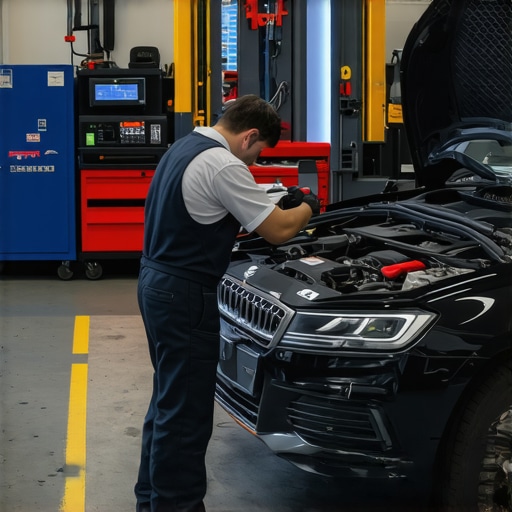
I remember a chilly morning last fall when I started my car, expecting a quick warm-up, only to be greeted by a strange ticking noise. My dashboard looked normal—no warning lights, no alerts. Yet, something felt off. It was only after a bit of digging that I realized my engine was crying for help in ways the dashboard wasn’t telling me about. That lightless distress signal? It’s more common than you’d think, especially with modern, high-tech vehicles that often hide subtle signs of trouble.
Why Relying Solely on Dashboard Lights Can Break Your Heart
In today’s cars, the dashboard light is the primary warning system. But here’s the kicker: most vehicles won’t alert you to early-stage issues like low oil levels or minor transmission hiccups until the problem becomes urgent—sometimes too late and quite costly. As someone who’s been there, I learned the hard way that understanding the subtle signs of low oil, beyond the dashboard alert, is crucial. It can save you from unexpected breakdowns and expensive repairs.
Is Your Car Giving You Silent Warnings That You Miss?
Early on, I made the mistake of trusting the dash completely. It was only after noticing a slight engine hesitation that I checked the oil levels myself—surprisingly low. This experience taught me that relying solely on electronic alerts is risky. You see, some signs appear before the warning lights do, like unusual noises or shifts, especially in high-tech vehicles designed to shield us from minor issues. To stay ahead of trouble, it’s essential to know these subtle signals.
Let’s dive into how to recognize these sneaky signs and what steps you can take to keep your engine humming smoothly. If you’ve ever faced a situation where your vehicle behaved strangely without any warning lights, you’re not alone. And the good news? There are practical ways to catch these issues early, which I’ll share below.
Perform Regular Visual Inspections
Start by routinely checking your vehicle’s fluid levels and belts. Remove the dipstick and examine the oil texture and color; dark, gritty oil indicates it’s time for a change. Look for signs of leaks or corrosion around the engine bay, which can hint at developing issues. During my own routine, I noticed a slightly dark oil level early—promptly scheduling an oil change prevented potential engine wear. Remember, a quick visual check is a vital first step to spot issues before they escalate.
Listen for Unusual Noises
Pay attention to odd sounds like clunking, whining, or grinding when starting or driving. These noises often precede dashboard warnings and can signal transmission or engine problems. For example, I once heard a faint whining in my transmission and decided to visit an ASE-certified mechanic. This proactive step uncovered that my transmission fluid was nearing its replacement interval, avoiding a costly repair later. Consistent listening to your vehicle keeps you ahead of silent failures.
Monitor Driving Behavior and Performance
Note sudden shifts, delays in acceleration, or transmission slipping. These behaviors may not trigger warning lights immediately but indicate underlying issues. I experienced hesitant gear changes after a cold start, which prompted me to check transmission fluid levels. Uncovering a low fluid condition early allowed me to top up and schedule a professional transmission flush, extending the life of my transmission. Recognizing changes in your car’s normal rhythm is crucial for early detection.
Use Technology to Your Advantage
Invest in an OBD-II scanner, which connects to your vehicle and reads fault codes. It’s like having a mini diagnostic lab in your pocket. When I noticed my check engine light flickering briefly, I used the scanner to identify a small sensor malfunction. Addressing these minor faults early with professional help from trusted ASE-certified shops can prevent bigger problems. These tools turn reactive repairs into proactive maintenance.
Schedule Professional Checks Regularly
Have your vehicle inspected by ASE-certified technicians at least twice a year. They perform comprehensive diagnostics that catch issues invisible to the untrained eye. I once had a technician review my transmission system, discovering early signs of wear before any symptoms appeared. This professional intervention saved me from unexpected breakdowns and costly repairs. Regular expert inspections are your best defense against silent engine or transmission trouble.
Keep Up with Manufacturer Maintenance Schedule
Follow your vehicle’s manual for oil change intervals, filter replacements, and transmission service. Adhering strictly to these guidelines ensures your engine and transmission stay in peak condition. Skipping timely oil changes, for instance, can lead to sludge buildup, which is especially problematic in high-tech engines. I learned this firsthand when ignoring my oil change schedule caused sluggish performance; corrective maintenance restored smooth operation.
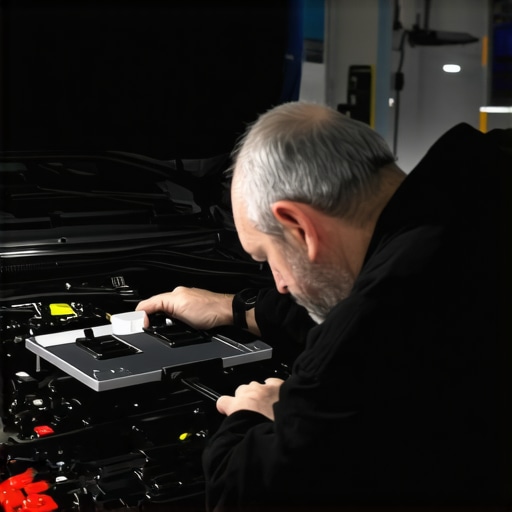 Many car owners assume that a simple oil change or occasional transmission check is enough to keep their vehicles in prime condition. However, there’s a lot of nuance and misconceptions that can lead to costly mistakes. For instance, some believe that regular 5,000-mile oil changes are universally necessary, but advanced engines often require tailored maintenance schedules. Relying solely on mileage without considering driving conditions or engine performance can lead to unnecessary interventions or, worse, neglect of critical needs.
Another myth is that all car service centers are equally competent. In reality, only ASE-certified technicians have the specialized training to perform advanced diagnostics and maintenance, especially on high-tech engines. This certification ensures that service professionals understand the subtle nuances that can affect engine longevity, such as the importance of proper transmission fluid levels and quality. Learn more about why trusting ASE-certified mechanics makes a difference at [this detailed guide](https://autofixclinic.com/reliable-ase-certified-car-service-top-oil-change-transmission-strategies).
Many drivers overlook the significance of the specific type of oil used. Synthetic oils, for example, provide better protection against engine wear, especially in high-performance or high-temperature operating conditions. Using outdated or incorrect oils can cause sludge buildup and accelerate engine degradation, contradicting the common advice to stick with conventional oils. For an in-depth look at oil selection, check out [this resource](https://autofixclinic.com/5-oil-change-truths-to-save-your-2026-engine-from-wear).
A particularly risky misconception is that DIY oil changes and transmission flushes are just as good as professional service. While small, straightforward tasks seem manageable, high-tech engines today demand precision and the use of specialized tools—something only ASE-certified technicians are equipped to handle correctly. Incorrect procedures can lead to leaks, improper fluid levels, or even engine damage. Discover why professional auto service matters with [this expert analysis](https://autofixclinic.com/why-diy-oil-changes-fail-on-high-tech-2026-car-engines).
For transmissions, many assume that occasional fluid top-ups are sufficient. But hidden below the surface are symptoms of wear or contamination that, if unnoticed, cause jerkiness, slipping, or overheating. Regular transmission oil analysis and changes—carried out by ASE-certified professionals—are critical to prevent these issues. Find out more about effective transmission maintenance strategies in [this comprehensive article](https://autofixclinic.com/effective-transmission-oil-change-strategies-by-ase-certified-pros-in-2024).
Finally, understanding that maintenance isn’t a one-time fix but an ongoing process is vital. High-tech engines and transmissions demand that owners adopt a nuanced approach—balancing manufacturer recommendations with expert guidance. This proactive mindset can extend your vehicle’s lifespan and improve reliability. If you’ve ever fallen into one of these traps, share your experience in the comments, and let’s learn together. Remember, being informed is the first step towards smarter car care.Keeping your vehicle in top shape over the long term requires more than just basic knowledge—you need the right tools, effective methods, and a proactive mindset. As I have learned through years of personal experience and professional engagement, investing in quality diagnostic equipment and adopting systematic maintenance routines can save you thousands in repairs and keep your car running smoothly. In this section, I’ll share specific tools I trust, how I use them, and where I see this trend heading in the future.
What Equipment Should You Use to Keep Your Car Running?
One of my must-have tools is an OBD-II scanner. I prefer the BlueDriver because it offers comprehensive code reading, live data streams, and easy-to-understand diagnostics. This device has become indispensable for early issue detection, especially since modern engines often hide their faults behind dashboard lights. For example, when my check engine light flickered, I used BlueDriver to quickly identify a sensor malfunction before it escalated.
Another crucial piece is a digital oil tester. I recommend the Spectroline Oil Test Kit, which allows you to analyze your oil for metallic particles and contamination. This test helps predict transmission or engine wear before visual signs appear, aligning with the advice in this article. Regular sampling and analysis can guide timely oil changes and fluid maintenance.
On the repair side, a torque wrench is essential. I opt for a Tekton model because it provides precise torque settings critical when reassembling transmission components or tightening engine bolts. Proper torque ensures seals are sealed, and parts function correctly—saving you from costly leaks or breakdowns.
Embracing Software for Smarter Maintenance
Beyond hardware, I utilize maintenance management software like AutoCare Pro to track service intervals, oil types, and diagnostic histories. This digital record-keeping helps me prioritize repairs, avoid missing critical maintenance dates, and ensures compliance with manufacturer schedules. As vehicle systems grow more complex, integrating software tools will become even more vital—allowing us to stay one step ahead of potential failures.
Where Is This Heading? Future of Car Maintenance
Looking ahead, I believe we’ll see a surge in the adoption of smart diagnostic systems embedded in vehicles. These advanced sensors will continuously monitor vital components, alerting owners with real-time updates via smartphone apps. Moreover, AI-driven predictive analytics could soon preempt failures, reducing downtime and repair costs significantly. Embracing these innovations will be crucial for both professional technicians and diligent owners.
How do I maintain my vehicle over time?
The key is to combine proactive diagnostics with consistent maintenance routines. Use tools like an OBD-II scanner regularly to pick up early warnings and schedule professional inspections from ASE-certified technicians—who are trained to interpret complex data and perform precise repairs. Also, follow the manufacturer’s recommended service schedules, such as those outlined here, ensuring your vehicle remains reliable for the long haul. Starting with these advanced techniques can dramatically extend your car’s lifespan and performance. Now’s the time to try checking your engine’s live data with a diagnostic tool—it’s a game-changer for long-term reliability.
Lessons That Changed How I Approach Car Maintenance
One of my most eye-opening moments came when I realized that relying solely on dashboard warnings is a gamble—especially with complex, high-tech engines. I discovered that subtle noises, slight performance hiccups, and even smell can be more telling than any warning light. For example, a faint transmission whine prompted me to seek expert help before it escalated, saving me hundreds. These insights taught me the importance of trusting my senses and proactive checks, which can drastically enhance vehicle longevity.
Equipment and Resources That Make a Difference
I swear by my OBD-II scanner, particularly models like BlueDriver, which allows me to catch issues early by reading fault codes and monitoring live data. Complementing this, I use an oil testing kit like Spectroline to analyze oil condition periodically. For routine maintenance, a quality torque wrench such as Tekton ensures precise tightening during repairs. These tools, combined with knowledgeable resources like this guide, empower me to stay ahead of potential problems and make informed decisions, ultimately saving money and stress.
What Makes Care So Much More Than Routine
Taking charge of my vehicle’s health has been an emotional journey. It’s about feeling confident instead of anxious, knowing I can identify issues early. I want every car owner to realize that small efforts—like regular visual inspections and listening carefully—are tiny investments with massive returns. Embracing technology and expert advice turns car maintenance from reactive to proactive. If you’ve ever hesitated to perform a quick check or thought, “That noise sounds normal,” I encourage you to trust your intuition and take that extra step. Your vehicle—and your wallet—will thank you. What’s the first small step you’re willing to try today?